“ALWAYS HAS BEEN”: A HISTORY OF THE AMERICAN SICKNESS
“I tremble for my country when I reflect that God is just.”
- Thomas Jefferson
“This is America, you live in it, you let it happen. Let it unfurl.”
- Thomas Pynchon
“We have met the enemy and he is us.”
- Pogo
Films in this Program
Robert Altman
160 minutes
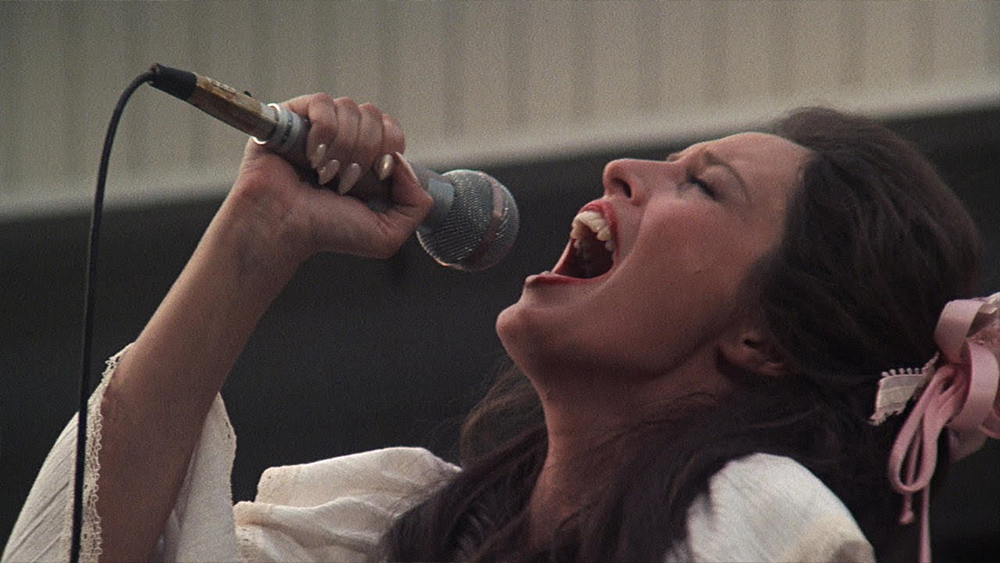
Every time we watch NASHVILLE, we find ourselves asking at the end, “Is this what America is? Are we so quickly and easily sated by spectacle? So desensitized to violence?” And the answer is always: Yes. Of course.
This cornerstone of 1970s American moviemaking from Robert Altman is a panoramic view of the country’s bicentennial-era political and cultural landscapes, set in the nation’s music capital. NASHVILLE weaves the stories of twenty-four characters—from country star to wannabe to reporter to waitress—into a cinematic tapestry that is equal parts comedy, tragedy, and musical. NASHVILLE captures, as no other film has ever done, the full complexity of America—rich with contradictions, rife with neurosis, and convulsed by the celebrity madness of ambition.
But hey, we must be doing something right to last 200 years!
“Is there such a thing as an orgy for movie-lovers—but an orgy without excess? At Robert Altman’s new, almost-three-hour film, NASHVILLE, you don’t get drunk on images, you’re not overpowered—you get elated. I’ve never before seen a movie I loved in quite this way: I sat there smiling at the screen, in complete happiness. It’s a pure emotional high, and you don’t come down when the picture is over; you take it with you.” - Pauline Kael
This cornerstone of 1970s American moviemaking from Robert Altman is a panoramic view of the country’s bicentennial-era political and cultural landscapes, set in the nation’s music capital. NASHVILLE weaves the stories of twenty-four characters—from country star to wannabe to reporter to waitress—into a cinematic tapestry that is equal parts comedy, tragedy, and musical. NASHVILLE captures, as no other film has ever done, the full complexity of America—rich with contradictions, rife with neurosis, and convulsed by the celebrity madness of ambition.
But hey, we must be doing something right to last 200 years!
“Is there such a thing as an orgy for movie-lovers—but an orgy without excess? At Robert Altman’s new, almost-three-hour film, NASHVILLE, you don’t get drunk on images, you’re not overpowered—you get elated. I’ve never before seen a movie I loved in quite this way: I sat there smiling at the screen, in complete happiness. It’s a pure emotional high, and you don’t come down when the picture is over; you take it with you.” - Pauline Kael
Avery Crounse
108 minutes
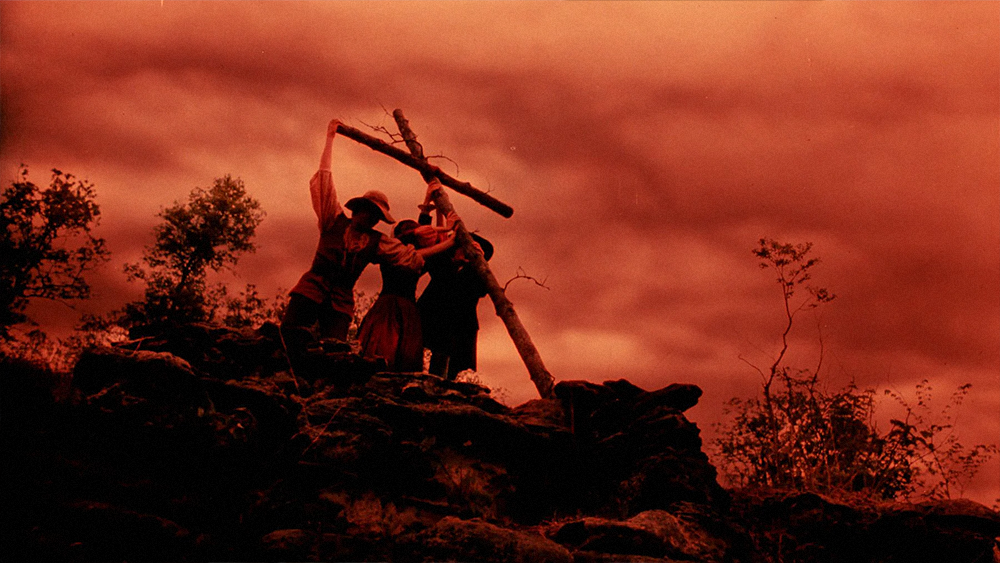
In this supreme work of American folk horror, a rogue 18th century preacher and his colonial followers make their way downriver to establish a new settlement beyond the western frontier. There they encounter a forest cursed by strange spirits that will bring an apocalyptic madness upon them.
“Cursed land has always been a preoccupation of the American cinema, and this has been especially true for horror films set in colonial periods,” writes Willow Maclay. “American cinema of the past has never quite had the guts to reckon with the holocaust of its aboriginal peoples. The best they have done are horror movies or westerns where the shadow of immense death hangs over the film like a great plague, influencing everything. What drives Avery Crounse’s EYES OF FIRE is the tension in whether or not America is inherently cursed, or if its curse was an accumulation of innocent blood spilled, resulting in the total decay of the land, and her people. Cinema takes up space. It spreads out, transforming land into image and context and meaning and art, and EYES OF FIRE understands that it comes at a cost.”
So let's roll it back to the beginning and reckon with the fact that America has always been a surreal dreadmare fable of naked mud ghosts, evil tree demons, and decapitated cow heads with blood tears.
Screening in the director’s extended CRYING BLUE SKY cut.
“Cursed land has always been a preoccupation of the American cinema, and this has been especially true for horror films set in colonial periods,” writes Willow Maclay. “American cinema of the past has never quite had the guts to reckon with the holocaust of its aboriginal peoples. The best they have done are horror movies or westerns where the shadow of immense death hangs over the film like a great plague, influencing everything. What drives Avery Crounse’s EYES OF FIRE is the tension in whether or not America is inherently cursed, or if its curse was an accumulation of innocent blood spilled, resulting in the total decay of the land, and her people. Cinema takes up space. It spreads out, transforming land into image and context and meaning and art, and EYES OF FIRE understands that it comes at a cost.”
So let's roll it back to the beginning and reckon with the fact that America has always been a surreal dreadmare fable of naked mud ghosts, evil tree demons, and decapitated cow heads with blood tears.
Screening in the director’s extended CRYING BLUE SKY cut.
Alex Cox
94 minutes
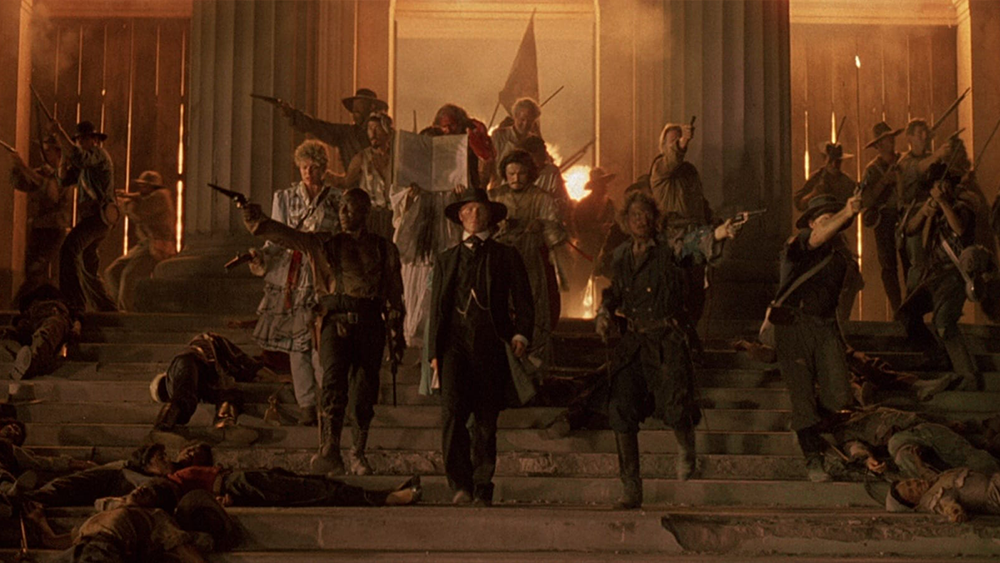
A hallucinatory biopic that breaks all cinematic conventions, WALKER tells the story of nineteenth-century American adventurer—and apostle of Manifest Destiny—William Walker (Ed Harris), who abandoned a series of sordid careers to become a soldier of fortune and, for many months, the dictator of Nicaragua where he re-legalized slavery.
Made with mad abandon and political acuity—and the support of the Sandinista army and government during the contra war—the film uses this true tale as a satirical attack on American imperialism and a freewheeling condemnation of the narcissistic, nihilistic self-destruction at the heart of all American ideology. Brutal, trenchant, and unsettlingly surreal, it’s frankly hard to believe that Alex Cox, director of REPO MAN, was able to get this movie produced in the 1980s by a major motion picture studio.
“A six-million-dollar middle finger. The ideal way to tank your career.” - Michael DeForge
Made with mad abandon and political acuity—and the support of the Sandinista army and government during the contra war—the film uses this true tale as a satirical attack on American imperialism and a freewheeling condemnation of the narcissistic, nihilistic self-destruction at the heart of all American ideology. Brutal, trenchant, and unsettlingly surreal, it’s frankly hard to believe that Alex Cox, director of REPO MAN, was able to get this movie produced in the 1980s by a major motion picture studio.
“A six-million-dollar middle finger. The ideal way to tank your career.” - Michael DeForge
John Ford
119 minutes
"From hell's heart I stab at thee; for hate's sake I spit my last breath at thee." - Herman Melville, Moby Dick
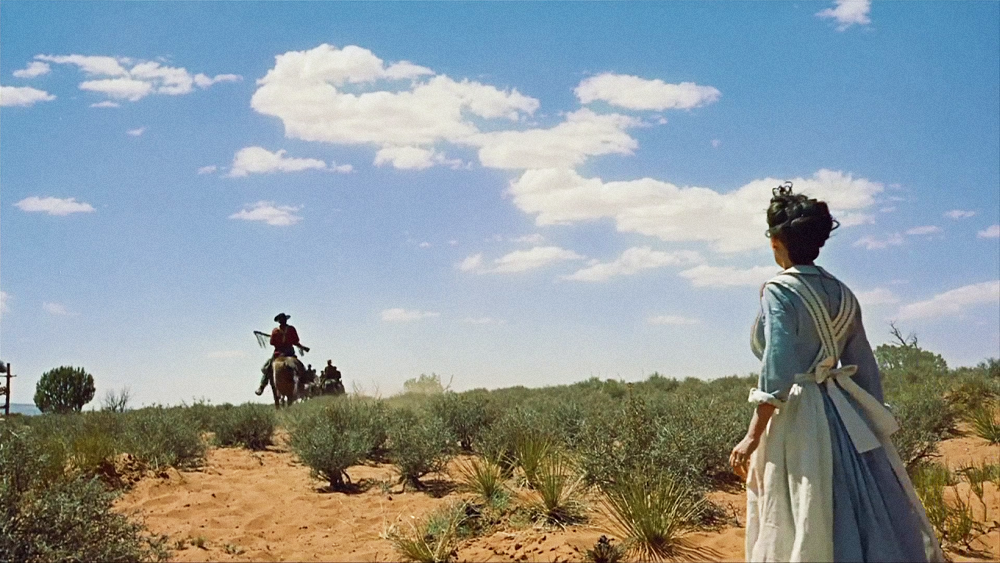
There is no story more profoundly American than a quest fuelled by psychotic obsession and ending in ruinous madness. John Ford’s THE SEARCHERS is an apotheosis of the form. While mercilessly interrogating the mythological cinematic persona of John Wayne, it birthed a lineage of American filmmaking about broken, violent men trying to redeem themselves as the saviors of those who they perceive as victims—a tradition running from works like Martin Scorsese's TAXI DRIVER and Paul Schrader's HARDCORE right on through to the defining work of the QAnon era, Lynne Ramsay's YOU WERE NEVER REALLY HERE.
Duke stars as Confederate veteran Ethan Edwards who, on the losing side of history, is consumed by a pathological hatred for Native Americans, so-called “savages” who Edwards greatly exceeds in his viciousness. He embarks on a years-long mission of rescue-or-revenge to find his missing niece, presumed captured by the Comanche. It’s a film of overwhelming contradictions. Through the central image of the American frontier, the meeting point of wilderness and civilization, Ford explores the divisions of our national character, with its search for order and its need for violence, its spirit of community and its quest for independence. Often ranked among the greatest films ever made, and certainly among the most discomfiting, THE SEARCHERS is a study of the American spirit that pulls zero punches.
“Like all great works of art, THE SEARCHERS is uncomfortable. The core of the movie is deeply painful. Every time I watch it—and I’ve seen it many, many times since its first run in 1956—it haunts and troubles me. The character of Ethan Edwards is one of the most unsettling in American cinema. In truly great films—the ones that people need to make, the ones that start speaking through them, the ones that keep moving into territory that is more and more unfathomable and uncomfortable—nothing’s ever simple or neatly resolved. You’re left with a mystery.” - Martin Scorsese
“THE SEARCHERS gathers the deepest concerns of American literature, distilling 200 years of tradition in a way available only to popular art, and with a beauty available only to a supreme visual poet like Ford." - Dave Kehr
There is no story more profoundly American than a quest fuelled by psychotic obsession and ending in ruinous madness. John Ford’s THE SEARCHERS is an apotheosis of the form. While mercilessly interrogating the mythological cinematic persona of John Wayne, it birthed a lineage of American filmmaking about broken, violent men trying to redeem themselves as the saviors of those who they perceive as victims—a tradition running from works like Martin Scorsese's TAXI DRIVER and Paul Schrader's HARDCORE right on through to the defining work of the QAnon era, Lynne Ramsay's YOU WERE NEVER REALLY HERE.
Duke stars as Confederate veteran Ethan Edwards who, on the losing side of history, is consumed by a pathological hatred for Native Americans, so-called “savages” who Edwards greatly exceeds in his viciousness. He embarks on a years-long mission of rescue-or-revenge to find his missing niece, presumed captured by the Comanche. It’s a film of overwhelming contradictions. Through the central image of the American frontier, the meeting point of wilderness and civilization, Ford explores the divisions of our national character, with its search for order and its need for violence, its spirit of community and its quest for independence. Often ranked among the greatest films ever made, and certainly among the most discomfiting, THE SEARCHERS is a study of the American spirit that pulls zero punches.
“Like all great works of art, THE SEARCHERS is uncomfortable. The core of the movie is deeply painful. Every time I watch it—and I’ve seen it many, many times since its first run in 1956—it haunts and troubles me. The character of Ethan Edwards is one of the most unsettling in American cinema. In truly great films—the ones that people need to make, the ones that start speaking through them, the ones that keep moving into territory that is more and more unfathomable and uncomfortable—nothing’s ever simple or neatly resolved. You’re left with a mystery.” - Martin Scorsese
“THE SEARCHERS gathers the deepest concerns of American literature, distilling 200 years of tradition in a way available only to popular art, and with a beauty available only to a supreme visual poet like Ford." - Dave Kehr
Paul Thomas Anderson
158 minutes
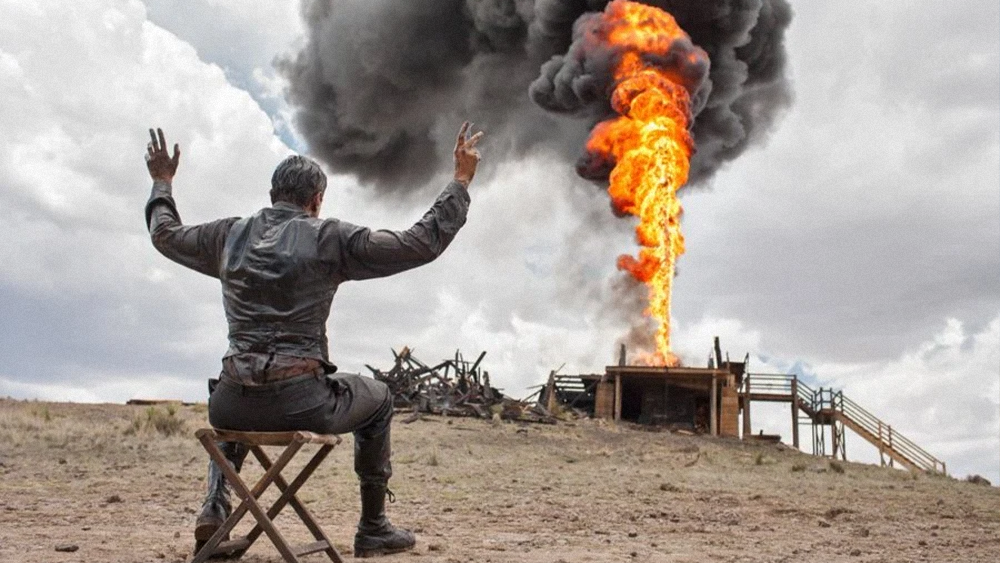
A strange and enthralling evocation of frontier capitalism and Manifest Destiny set at the dawn of the 20th century, THERE WILL BE BLOOD recounts the tale of a ferociously successful wildcat oil driller with the allegorical handle Daniel Plainview (Daniel Day-Lewis). Alive only through sheer force of will after surviving a mining accident, we meet this nearly destroyed man as he writhes through the muck and mire. But he harnesses the thing that almost killed him—extracting raw profit from the very earth—and he builds an empire out of it. Woe to the man–or man of God–who gets in his way.
Paul Thomas Anderson’s 2007 instant classic signaled a sea change in what was already a fascinating career. The flashy, modern swagger of his earlier pictures is replaced with a formal detachment and fascination with pinpointing what exactly went wrong with 20th century America, or if anything was even good to begin with.
“There’s hardly a dull moment. Digs collapse, gushers burst into flame, God metes out punishment and so does man. Revelations overturn the narrative. By the time the closing words ‘There Will Be Blood’ appear (with a burst of Brahms) inscribed in heavy gothic letters on the screen, Anderson’s movie has come to seem an Old Testament story of cosmic comeuppance and filicidal madness—American history glimpsed through the smoke and fire that the lightning left behind.” - J. Hoberman
Paul Thomas Anderson’s 2007 instant classic signaled a sea change in what was already a fascinating career. The flashy, modern swagger of his earlier pictures is replaced with a formal detachment and fascination with pinpointing what exactly went wrong with 20th century America, or if anything was even good to begin with.
“There’s hardly a dull moment. Digs collapse, gushers burst into flame, God metes out punishment and so does man. Revelations overturn the narrative. By the time the closing words ‘There Will Be Blood’ appear (with a burst of Brahms) inscribed in heavy gothic letters on the screen, Anderson’s movie has come to seem an Old Testament story of cosmic comeuppance and filicidal madness—American history glimpsed through the smoke and fire that the lightning left behind.” - J. Hoberman
Sydney Pollack
120 minutes
The rules of the dance marathon are simple:
1. Contestants get a 10-minute break every two hours.
2. If you lose your dance partner, you have 24 hours to find a new one.
3. You receive four regular meals and three snacks every day.
4. Nurses, trainers, and an in-house doctor are at the ready.
5. The prize for the last couple standing is $1,500.
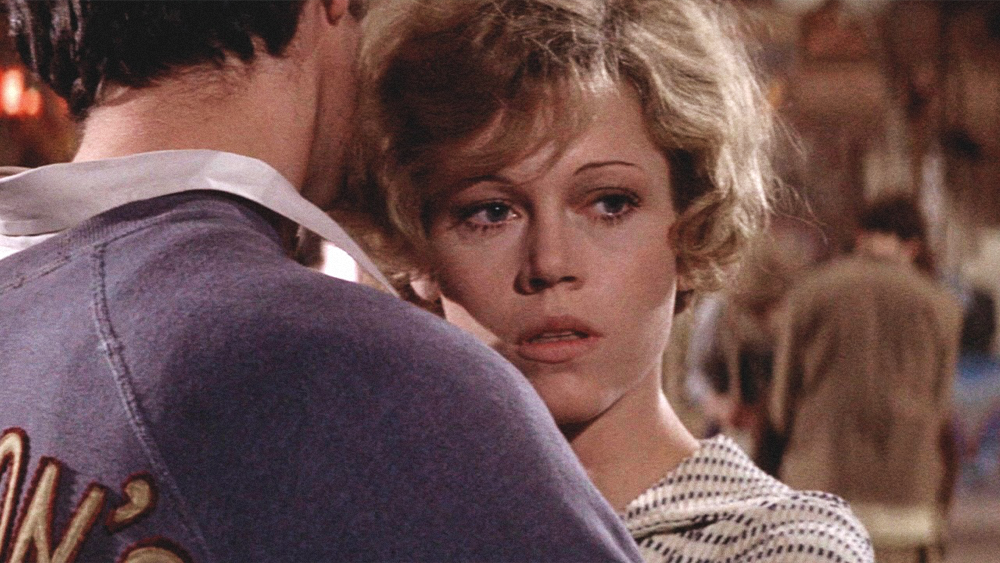
One of the grimmest explorations of capitalistic desperation and human degradation ever made in Hollywood, THEY SHOOT HORSES, DON’T THEY? is at once an existential nightmare and a fairly authentic depiction of the grueling dance marathon craze in Depression-era LA. Jane Fonda, Michael Sarrazin, Susannah York and Bruce Dern are all dancers tasked with outlasting other couples by staying on their feet for thousands of hours in front of a live audience in the pursuit of a $1,500 prize. The contest’s promoter lays out the perverse appeal that the marathon holds for its spectators: “They just want to see a little misery out there, so they can feel a little better maybe. They’re entitled to that.”
A gut-wrenching contemplation on the fragile durability of hope in the face of life's ostensible futility, Sydney Pollack’s adaptation of Horace McCoy’s 1935 novel uses its allegorical setting to lay bare the way American society essentially amounts to just going around in circles for money and getting nowhere.
“We cannot let Mr. Beast ever see this film.” - Jay, Letterboxd
Roman Polanski
131 minutes
Robert Towne’s Raymond Chandler-esque noir detective story about the invisible corruption behind the urban development of Los Angeles is one the greatest screenplays in motion picture history. Yet it was Roman Polanski’s (we know) inherent pessimism—fueled by his return to the city where his wife, Sharon Tate, had been brutally murdered by the Manson family—that pushes CHINATOWN into even darker territory, uncompromisingly connecting the viciousness of urban politics to an inherent malevolence in the human spirit.
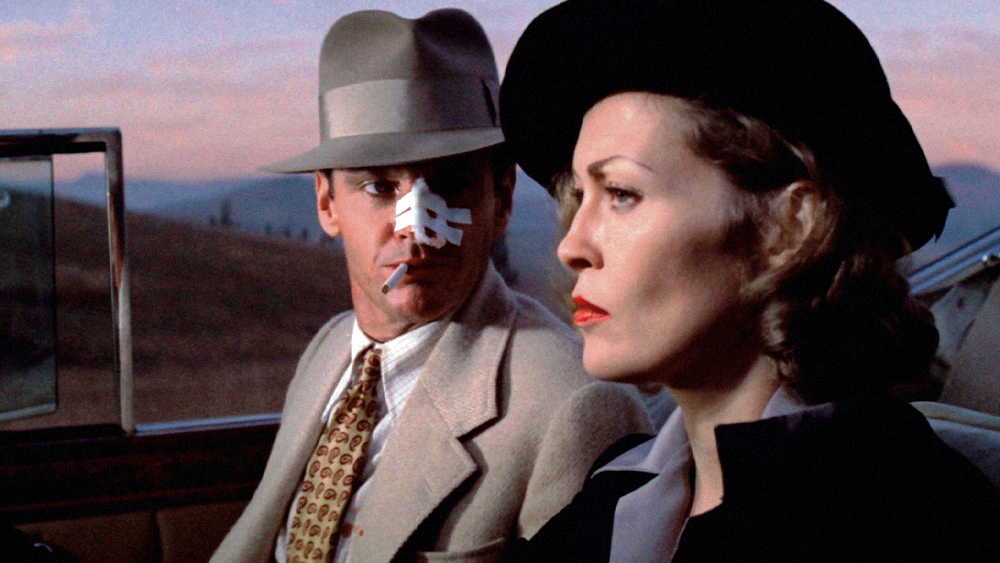
Faye Dunaway is a woman in trouble; Jack Nicholson is the nosey detective Jake Gittes who thinks he can get her out of it; and John Huston is the vilest plutocrat you've ever imagined, reshaping the future of a thriving city out of the basest human desires. As punishment for his incursions into the hidden history of a powerful family and the city they helped to build, Gittes gets his nose slashed and the bandage that he wears for the rest of the film is emblematic of one man’s fall into an abyss—and a nation taking the same path.
“Sometimes conventional wisdom is true: there has been no greater original screenplay in the last 50 years than the one Robert Towne wrote for CHINATOWN. None more elegantly plotted and politically charged, none more literate and historically evocative, none more pungent in its hard-bitten dialogue and sophisticated in its play on noir archetypes. It’s never easy for a writer to get credit over a director but Towne’s voice reverberates strongly through a film that perfectly intersects Old Hollywood glamor with New Hollywood revisionism. It’s one of the decade’s true benchmarks. It is also one of the most unremittingly bleak statements on How Things Work in America, where vast swaths of civilization are moved on the whims of powerful and unaccountable men, who can rest comfortably knowing their sins won’t be scrutinized on Earth.” - Scott Tobias
Faye Dunaway is a woman in trouble; Jack Nicholson is the nosey detective Jake Gittes who thinks he can get her out of it; and John Huston is the vilest plutocrat you've ever imagined, reshaping the future of a thriving city out of the basest human desires. As punishment for his incursions into the hidden history of a powerful family and the city they helped to build, Gittes gets his nose slashed and the bandage that he wears for the rest of the film is emblematic of one man’s fall into an abyss—and a nation taking the same path.
“Sometimes conventional wisdom is true: there has been no greater original screenplay in the last 50 years than the one Robert Towne wrote for CHINATOWN. None more elegantly plotted and politically charged, none more literate and historically evocative, none more pungent in its hard-bitten dialogue and sophisticated in its play on noir archetypes. It’s never easy for a writer to get credit over a director but Towne’s voice reverberates strongly through a film that perfectly intersects Old Hollywood glamor with New Hollywood revisionism. It’s one of the decade’s true benchmarks. It is also one of the most unremittingly bleak statements on How Things Work in America, where vast swaths of civilization are moved on the whims of powerful and unaccountable men, who can rest comfortably knowing their sins won’t be scrutinized on Earth.” - Scott Tobias
Alexander Mackendrick
96 minutes
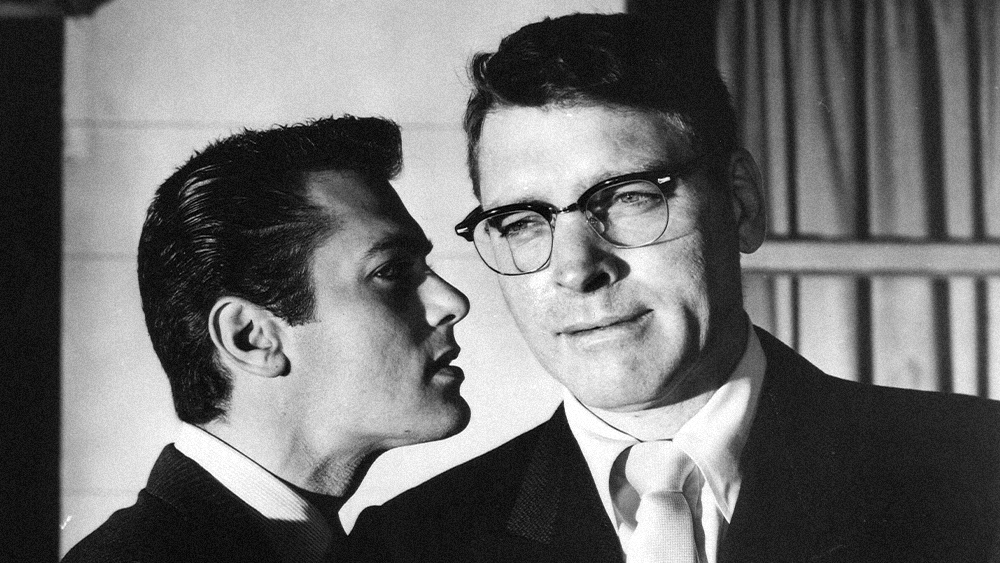
It's a straightforward setup: Burt Lancaster—a powerful gossip columnist of monstrously Shakespearean proportions named J.J. Hunsecker—has a latent incestuous obsession with his younger sister. When she becomes serious about a jazz musician, he gets ambitious press agent Sidney Falco (Tony Curtis) to start spreading dirt on the guy to destroy him. Then things proceed to get messy—their collective scheming and backstabbing representing just a small pocket of the moral rot that's eating away at literally everything.
Shot with a neuoritcally energetic, black & white neon haze by legendary Chinese-American cinematographer James Wong Howe, and featuring endlessly quotable, blisteringly acidic dialogue ("You're a cookie full of arsenic") from a script by Clifford Odets and Ernest Lehman, SWEET SMELL OF SUCCESS is a cracklingly cruel noir dispatch from the kill-or-be-killed wilds of 1950s Manhattan.
“In its final moments of deafening solitude, SWEET SMELL OF SUCCESS becomes a brilliant foreshadowing to the abuse of information and perspective in the Internet age, a virtuosic, damning, and above all else, intoxicating portrait of American power lust.” - Glenn Heath Jr.
“It wasn’t intended. No one could have predicted it. But SWEET SMELL OF SUCCESS turned out to be a terminus where a whole host of movie genres and subgenres converged and curdled, producing a uniquely delicious perfume of everlasting cynicism. Inhale deeply.” - Gary Giddens
Shot with a neuoritcally energetic, black & white neon haze by legendary Chinese-American cinematographer James Wong Howe, and featuring endlessly quotable, blisteringly acidic dialogue ("You're a cookie full of arsenic") from a script by Clifford Odets and Ernest Lehman, SWEET SMELL OF SUCCESS is a cracklingly cruel noir dispatch from the kill-or-be-killed wilds of 1950s Manhattan.
“In its final moments of deafening solitude, SWEET SMELL OF SUCCESS becomes a brilliant foreshadowing to the abuse of information and perspective in the Internet age, a virtuosic, damning, and above all else, intoxicating portrait of American power lust.” - Glenn Heath Jr.
“It wasn’t intended. No one could have predicted it. But SWEET SMELL OF SUCCESS turned out to be a terminus where a whole host of movie genres and subgenres converged and curdled, producing a uniquely delicious perfume of everlasting cynicism. Inhale deeply.” - Gary Giddens
Samuel Fuller
101 minutes
In this molotov cocktail of a movie, hard-boiled filmmaker Sam Fuller incinerates Hollywood earnestness while delivering a devastating diagnosis of the multiple psychoses—racism, sexual repression, political paranoia—at the heart of American society.
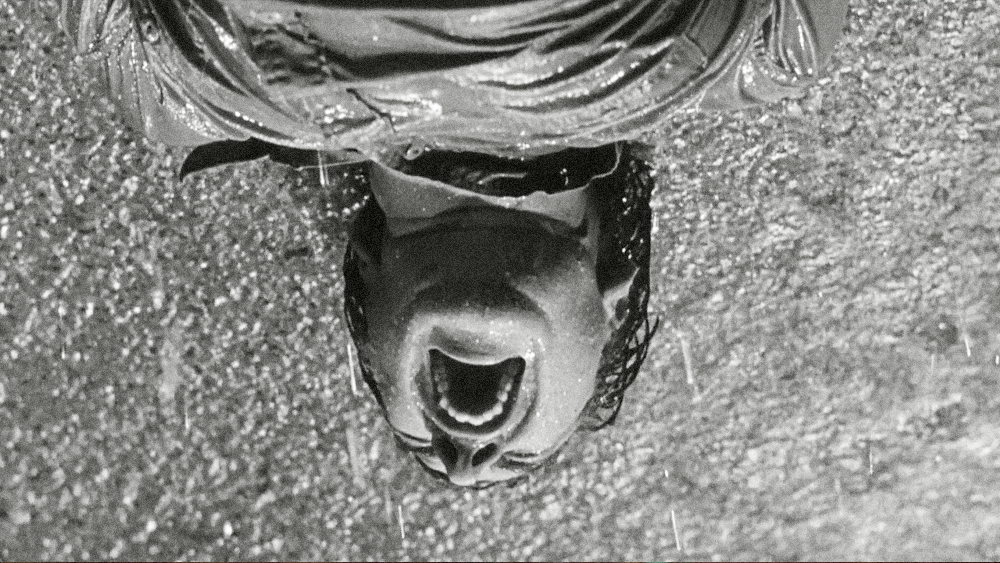
Hotshot journalist Johnny Barrett (Peter Breck) shams his way into a nuthouse because he wants to solve a murder and climb to the pinnacle of his profession. Working undercover as a patient, he pieces together the clues by getting to know his fellow inmates. But every gain in his knowledge about the killing is another reel downward in his psychic devolution.
SHOCK CORRIDOR hammers home its headline that these inmates, Johnny included, are all pure products of America, driven crazy by their own and their country’s intractable contradictions—a literally schizophrenic historical legacy: imperialism, racism, and the bomb. Fuller goes to such innovative formal lengths to represent their maladies that the film itself feels dangerously unhinged.
“Sam Fuller's comic-strip Amerika. Harsh, grotesque, and violent—and, incidentally, brilliant in a very original way.” - Dave Kehr
Hotshot journalist Johnny Barrett (Peter Breck) shams his way into a nuthouse because he wants to solve a murder and climb to the pinnacle of his profession. Working undercover as a patient, he pieces together the clues by getting to know his fellow inmates. But every gain in his knowledge about the killing is another reel downward in his psychic devolution.
SHOCK CORRIDOR hammers home its headline that these inmates, Johnny included, are all pure products of America, driven crazy by their own and their country’s intractable contradictions—a literally schizophrenic historical legacy: imperialism, racism, and the bomb. Fuller goes to such innovative formal lengths to represent their maladies that the film itself feels dangerously unhinged.
“Sam Fuller's comic-strip Amerika. Harsh, grotesque, and violent—and, incidentally, brilliant in a very original way.” - Dave Kehr
Sidney Lumet
121 minutes
“We’re mad as hell and we’re not going to take this anymore!” - famous Beacon Cinema saying
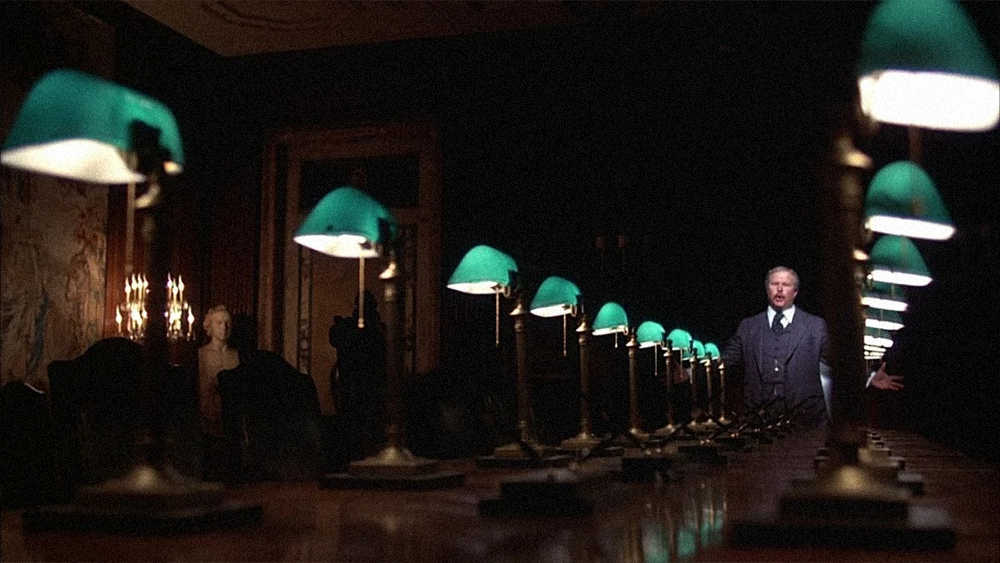
Howard Beale (Peter Finch), a veteran newscaster, is informed by his ratings-driven network executives that he is about to be dumped because he “skews old.” So Beale uses his next broadcast to announce that he’s going to kill himself live on-air during his final show. And just like that... he’s a hit! Basking in the sky-high ratings, an ambitious programming executive (Faye Dunaway) convinces her superiors to keep Beale on as their very own mad prophet of the airwaves and the network begins to supplement their new direction with shows like The Mao Tse-Tung Hour, starring the Ecumenical Liberation Army. But when Beale balks at the news that his network’s parent company is being acquired by a Saudi conglomerate, he comes face to face with the reality of how corporate power really functions.
A scorching satire that applies the cynical conspiracy-minded tone of ‘70s American political cinema to the world of tabloid TV, NETWORK endures as bracingly confrontational viewing. As a critique of the media and an expression of political discontent, there are few films that resonate with our own historical moment more presciently.
“Having begun as a five-seconds-into-the-future satire, NETWORK becomes an anatomy of American discontent, born of inflation and rocketing gasoline prices and not especially aware of any boost from the forthcoming bicentennial. Finally it’s an outrageous conspiracy thriller. Like John Updike, writer Paddy Chayevsky and director Sydney Lumet are here giving us Memories of the Ford Administration – only they weren’t memories at the time. This was America as it was happening, suicidal ideations born of a scotch hangover, beamed live into every home.” - Peter Bradshaw
Howard Beale (Peter Finch), a veteran newscaster, is informed by his ratings-driven network executives that he is about to be dumped because he “skews old.” So Beale uses his next broadcast to announce that he’s going to kill himself live on-air during his final show. And just like that... he’s a hit! Basking in the sky-high ratings, an ambitious programming executive (Faye Dunaway) convinces her superiors to keep Beale on as their very own mad prophet of the airwaves and the network begins to supplement their new direction with shows like The Mao Tse-Tung Hour, starring the Ecumenical Liberation Army. But when Beale balks at the news that his network’s parent company is being acquired by a Saudi conglomerate, he comes face to face with the reality of how corporate power really functions.
A scorching satire that applies the cynical conspiracy-minded tone of ‘70s American political cinema to the world of tabloid TV, NETWORK endures as bracingly confrontational viewing. As a critique of the media and an expression of political discontent, there are few films that resonate with our own historical moment more presciently.
“Having begun as a five-seconds-into-the-future satire, NETWORK becomes an anatomy of American discontent, born of inflation and rocketing gasoline prices and not especially aware of any boost from the forthcoming bicentennial. Finally it’s an outrageous conspiracy thriller. Like John Updike, writer Paddy Chayevsky and director Sydney Lumet are here giving us Memories of the Ford Administration – only they weren’t memories at the time. This was America as it was happening, suicidal ideations born of a scotch hangover, beamed live into every home.” - Peter Bradshaw
Martin Scorsese
178 minutes
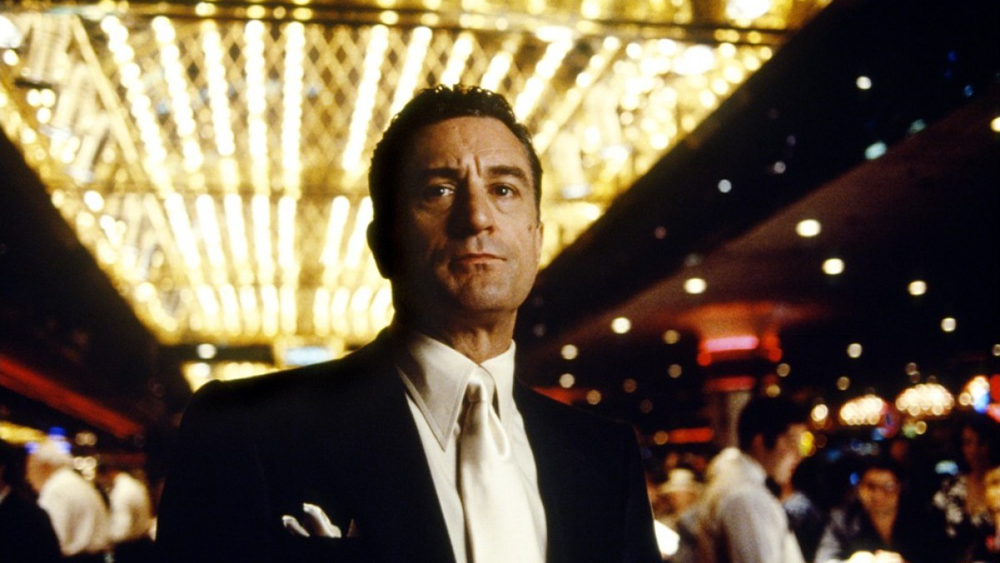
Martin Scorsese’s operatic recounting of how organized crime built a gambler’s paradise out of the Nevada desert could just be the best film ever made on capitalism in America. CASINO’s Las Vegas is the cauldron of vice and greed in which we’re all stuck—a place where we’re never really in control of anything no matter how much power we might think we have.
Robert De Niro—as expert handicapper “Ace” Rothstein—and Joe Pesci—as enforcer Nicky Santoro, the maniacal muscle who does Ace’s dirty work—are sent west by the mob to head operations at the Tangiers Casino. They’re making money hand over fist, until an impetuous, street smart hustler named Ginger (a magnificently frayed Sharon Stone) begins to drive a wedge between the two men. It’s a triumvirate of three of the best performances you’ll ever see, buttressed by dozens and dozens of individually perfect moments and minor characters that are just as memorable
CASINO is not just the red-headed stepchild of the more popular GOODFELLAS. It’s a masterful assemblage of riffs, digressions and bits in service of a broader portrait of the inferno that is America. A kaleidoscope of absolute hilarity, horror and human degradation at every level, the only thing comparable to watching this movie is doing an absolute mountain of cocaine.
Why take a chance?
Robert De Niro—as expert handicapper “Ace” Rothstein—and Joe Pesci—as enforcer Nicky Santoro, the maniacal muscle who does Ace’s dirty work—are sent west by the mob to head operations at the Tangiers Casino. They’re making money hand over fist, until an impetuous, street smart hustler named Ginger (a magnificently frayed Sharon Stone) begins to drive a wedge between the two men. It’s a triumvirate of three of the best performances you’ll ever see, buttressed by dozens and dozens of individually perfect moments and minor characters that are just as memorable
CASINO is not just the red-headed stepchild of the more popular GOODFELLAS. It’s a masterful assemblage of riffs, digressions and bits in service of a broader portrait of the inferno that is America. A kaleidoscope of absolute hilarity, horror and human degradation at every level, the only thing comparable to watching this movie is doing an absolute mountain of cocaine.
Why take a chance?
Harmony Korine
94 minutes
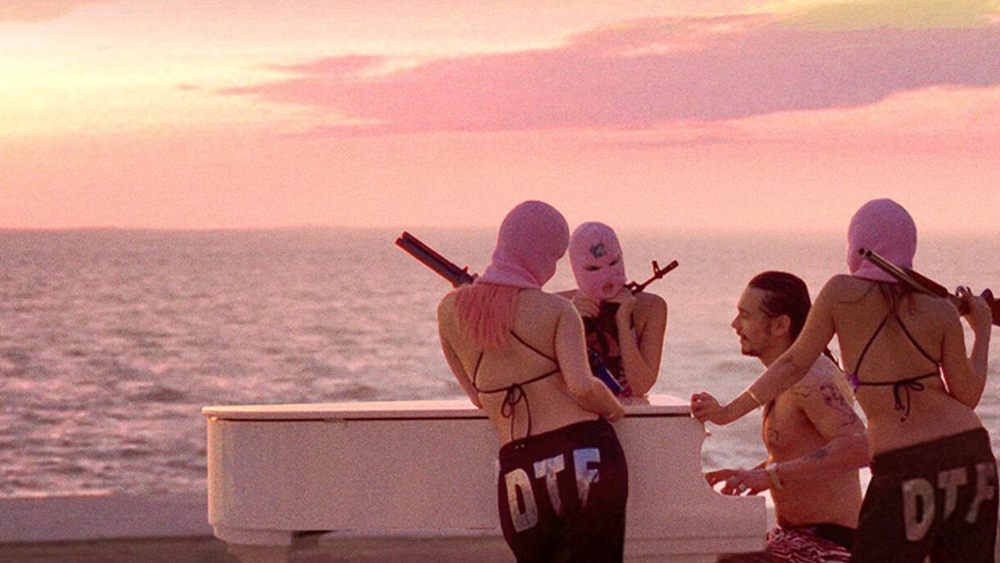
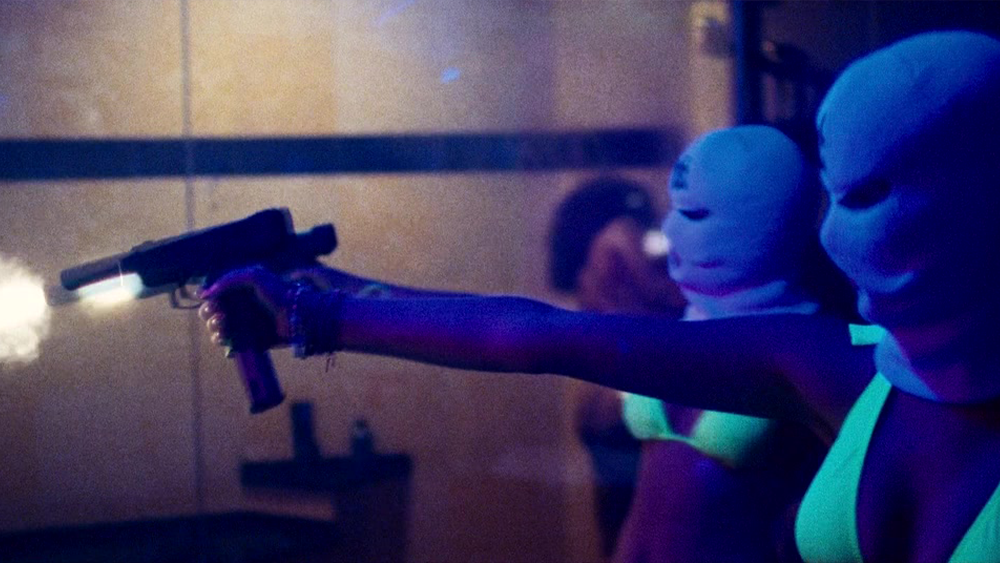
If ever there was a perfect film for our now-and-forever era of online celebrity and hedonistic “Look at my shit!” conspicuous consumption, it’s this dark ride Day-Glo-and-blacklight, road-tripping-balls voyage to St. Petersburg, Florida, and into the gaping hellmouth of “Woooo!” party culture.
Out for a good time, four all-American college girls gone wild are drawn into the orbit of James Franco’s cornrowed local rapper Alien, and a life of crime—until they have to be back in class, that is. SPRING BREAKERS was the first bona-fide box office success for true-weirdo filmmaker Harmony Korine and a movie that entered the public consciousness and left our ears ringing with the haunting cry of “Spring Break... Spring Break... Spring Break forevah.”
“Korine's masterpiece - it's remarkable how much more this film opens up when removed from the cultural zeitgeist that inspired it. It's a film about America and American youth upon the dawn of the 2010's sure. But it's as much a film - if not more so - about American visual and cinematic aesthetics. If not the ending - with its hooded Whites massacring African-Americans - or the shifting colour schema using predominantly primary colours (akin to the tinting of 1910's silents) it should be obvious from the opening - a college lecture on the Reconstruction after the Civil War...which the whites could not care less about, if they are even listening: SPRING BREAKERS is Harmony Korine's remake and revision of D.W. Griffith's THE BIRTH OF A NATION.” - Neil Bahadur
“This film is like a diamond laser transmitted from our present to the distant past of 2012. This is the future. This is America. This is Spring Break 4 eva.” - Will Menaker
Out for a good time, four all-American college girls gone wild are drawn into the orbit of James Franco’s cornrowed local rapper Alien, and a life of crime—until they have to be back in class, that is. SPRING BREAKERS was the first bona-fide box office success for true-weirdo filmmaker Harmony Korine and a movie that entered the public consciousness and left our ears ringing with the haunting cry of “Spring Break... Spring Break... Spring Break forevah.”
“Korine's masterpiece - it's remarkable how much more this film opens up when removed from the cultural zeitgeist that inspired it. It's a film about America and American youth upon the dawn of the 2010's sure. But it's as much a film - if not more so - about American visual and cinematic aesthetics. If not the ending - with its hooded Whites massacring African-Americans - or the shifting colour schema using predominantly primary colours (akin to the tinting of 1910's silents) it should be obvious from the opening - a college lecture on the Reconstruction after the Civil War...which the whites could not care less about, if they are even listening: SPRING BREAKERS is Harmony Korine's remake and revision of D.W. Griffith's THE BIRTH OF A NATION.” - Neil Bahadur
“This film is like a diamond laser transmitted from our present to the distant past of 2012. This is the future. This is America. This is Spring Break 4 eva.” - Will Menaker