ANYTHING YOU DON’T CONTROL CAN BE USED AS A WEAPON AGAINST YOU: RADICAL BLAXPLOITATION
"The first need of a free people is to define their own terms."
This March the Beacon is excited to present a five-film series that spotlights the insurgent edge of early 1970s Black independent cinema.
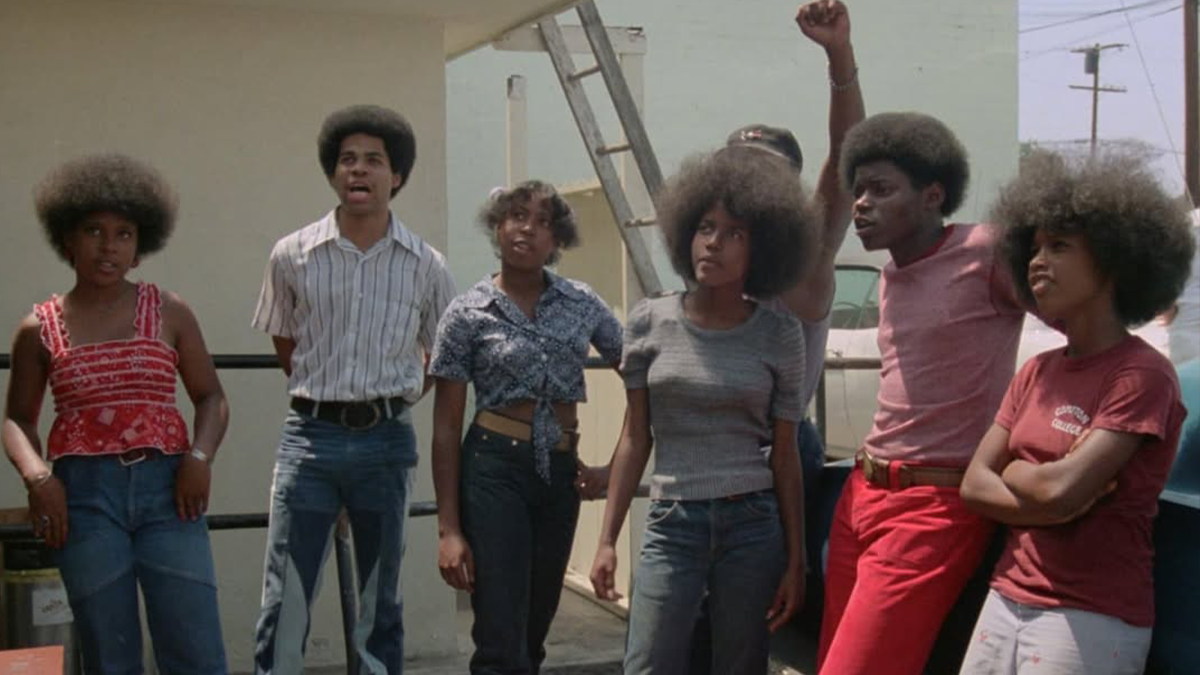
While the blaxploitation cinema boom of the '70s became a lucrative cycle largely steered by white filmmakers and studios, this series centers artists who seized the form for themselves and traces how Black filmmakers subverted a market category into a vehicle for autonomy, militancy, and self-definition. Radical, confrontational, and defiantly independent, these films are acts of aesthetic and ideological revolt, turning genre into a weapon and the screen into contested ground.
Films in this Program
Melvin Van Peebles
97 minutes
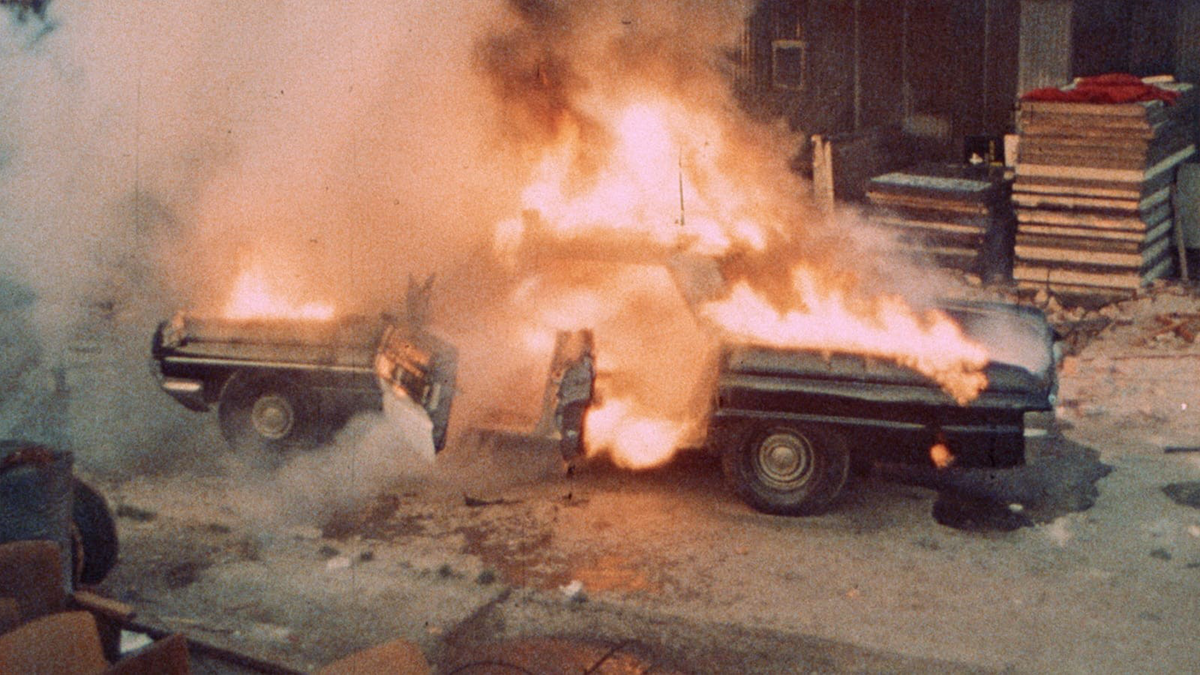
Acting as producer, director, writer, composer, editor, and star, Van Peebles created the prototype for what Hollywood would eventually co-opt and make into the blaxploitation hero: a taciturn, perpetually blank-faced performer in a sex show, who, when he’s pushed too far by a pair of racist cops looking to frame him for a crime he didn’t commit, goes on the run through a lawless underground of bikers, revolutionaries, sex workers, and hippies in a kill-or-be-killed quest for liberation from white oppression.
SWEET SWEETBACK’S BAADASSSSS SONG’s incendiary politics are matched by Van Peebles’s revolutionary style, in which jagged jump cuts, kaleidoscopic superimpositions, and psychedelic sound design come together in a sustained howl of rage and defiance.
Oscar Williams
83 minutes
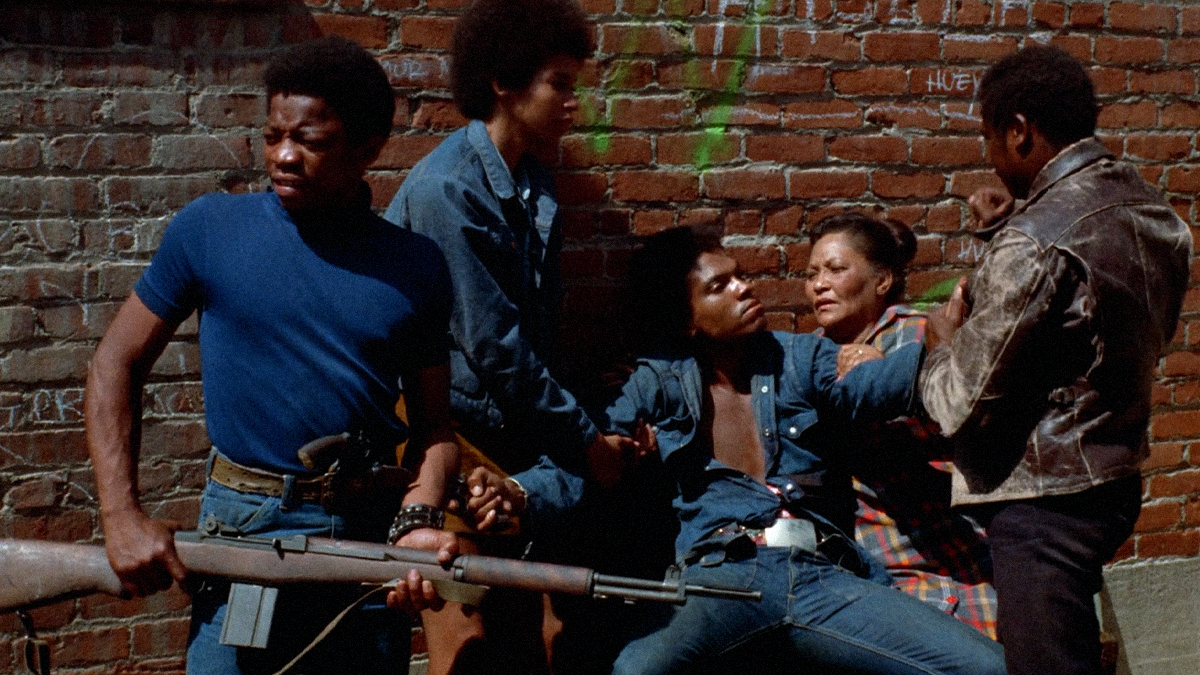
Shot with immediacy and stripped of comforting illusions, this is not a film interested in reconciliation. It’s interested in consequences. A pressure cooker of police oppression, armed struggle and generational rage, THE FINAL COMEDOWN is a transmission from the moment when hope curdled into confrontation and American liberalism finally ran out of slogans.
Christopher St. John
94 minutes
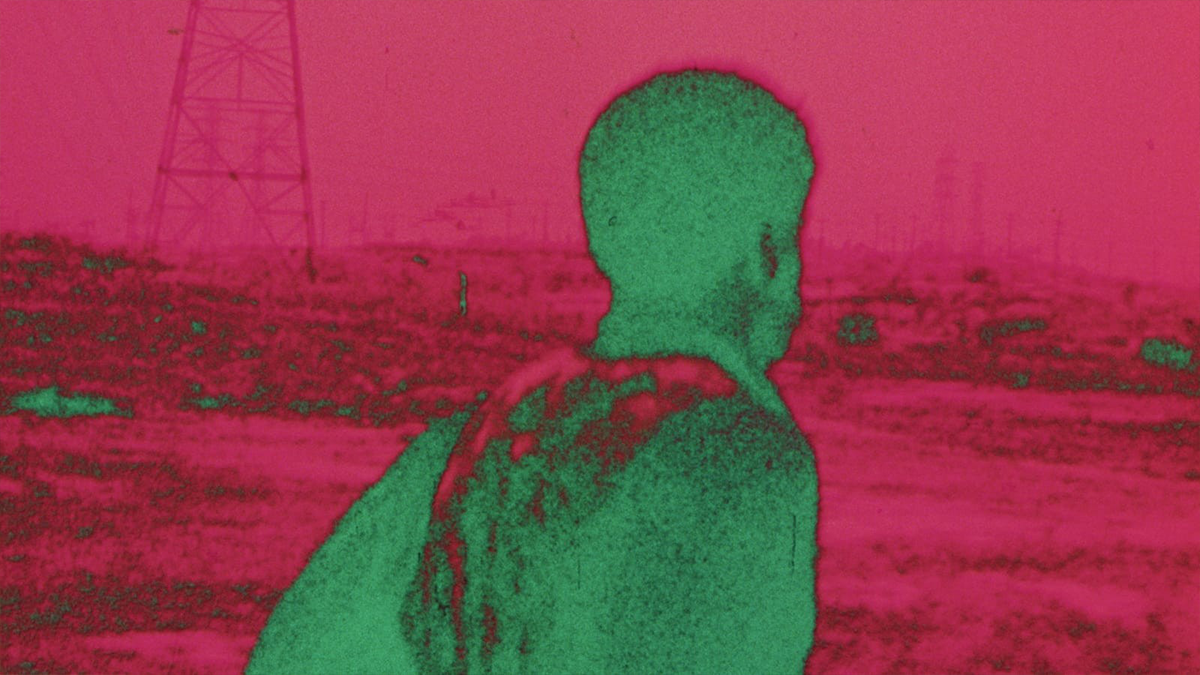
George (St. John) is a cop in Washington, DC, and he’s proud to be one of the few Black officers on the force. Unfortunately, not everyone feels the same. When George is overlooked for a promotion, he loses his handhold on reality and launches a personal vendetta against street crime. That is, when he’s not visiting alternate galaxies as an astronaut in his tripped-out dreams.
A radical collision of avant-garde cinema, Blaxploitation, and Afrofuturism far ahead of its time, TOP OF THE HEAP shows a Black cop's psyche in open revolt as he realizes he's become a willing tool of the system and swallowed whole a bullshit dream that was never intended for him. A messy, complicated, angry, singular auteur piece.
Ivan Dixon
102 minutes
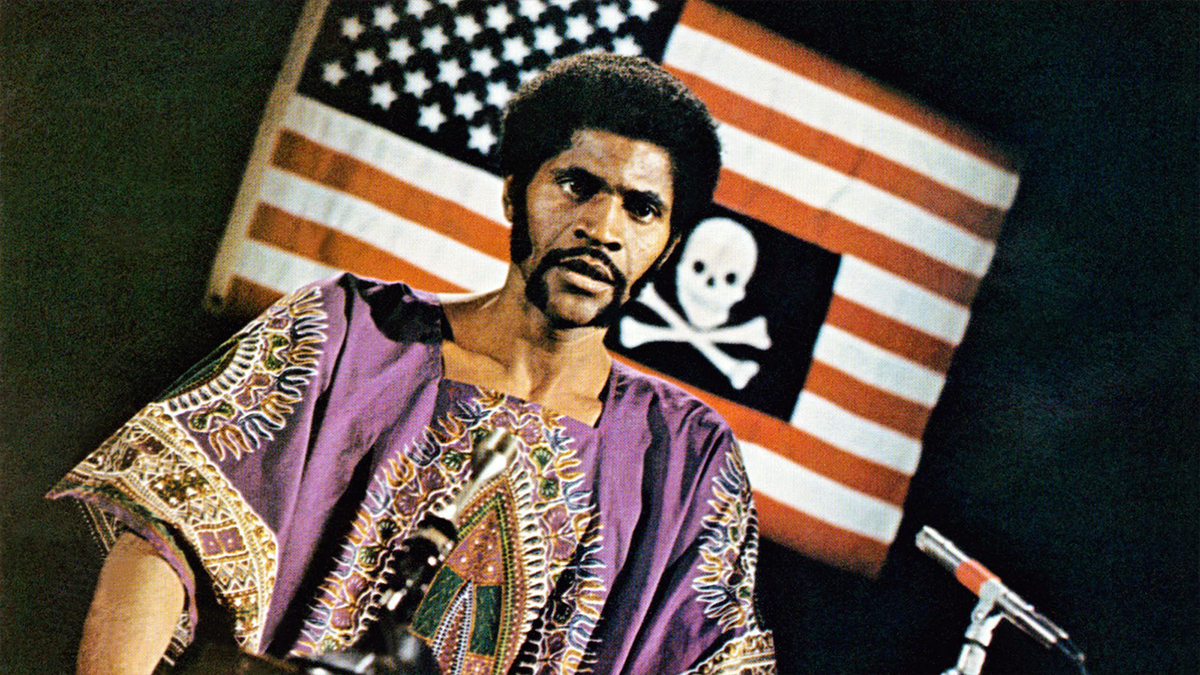
One of the most radical, revolutionary statements in film history, Ivan Dixon’s explosive adaptation of the novel by Sam Greenlee follows the fictional first Black CIA agent (Lawrence Cook), who turns his specialized training around to build a guerrilla army intent on overthrowing the American government.
By turns a satire and a serious political thriller, THE SPOOK WHO SAT BY THE DOOR is a visionary film of ideas whose urgency and precision feel utterly contemporary. So potent is the film’s call to revolution that it was pulled from theaters within days of opening. The Beacon is thrilled to present this long-unavailable masterwork of American cinema in a brand new restoration!
Special thanks to Doris Nomathande Dixon. Restored by The Library of Congress and The Film Foundation. Funding provided by the Hobson/Lucas Family Foundation.
Jamaa Fanaka
100 minutes
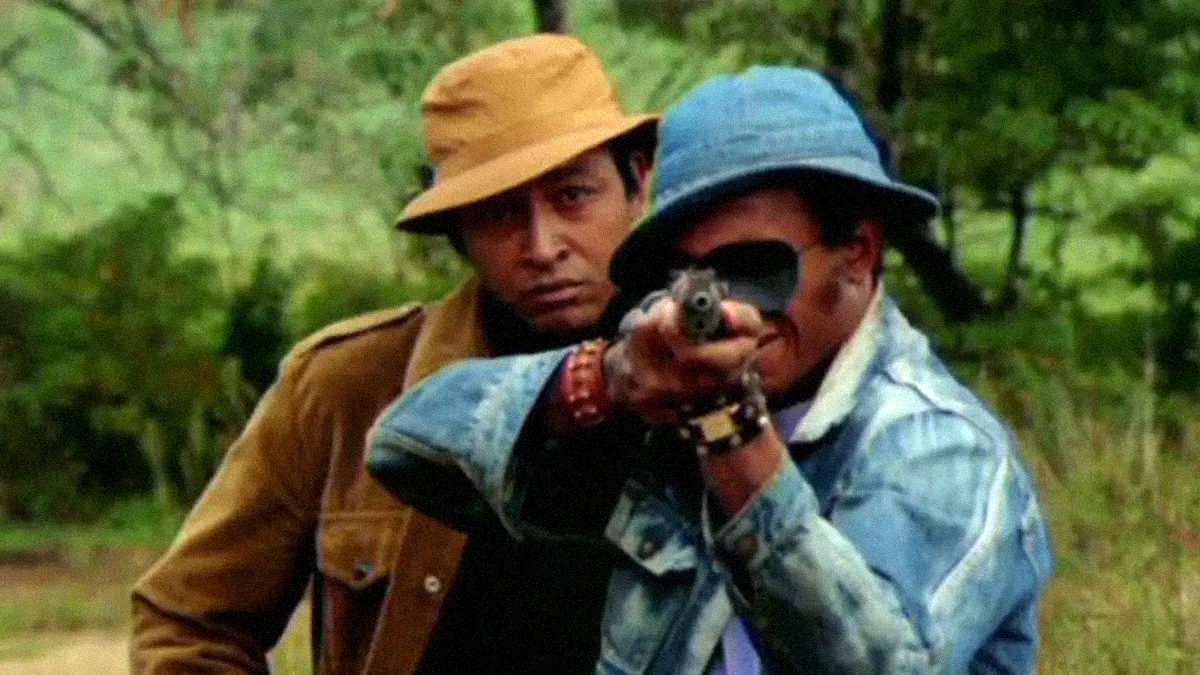
Retitled BLACK SISTER’S REVENGE to try to capture a wider audience, Jamaa Fanaka's sympathetic portrait of a young Black woman from the South making a difficult adjustment to life in the big city both riffs on and remakes the Blaxploitation genre; unlike the superheroics of a COFFY, FOXY BROWN or CLEOPATRA JONES, Emma Mae's remarkable proficiency at kicking ass seems to derive from her ability to tap directly into a wellspring of Black women's latent powers in order to protect and serve her own.
“Jamaa Fanaka takes the urban black social problem film and injects it with enough levity and action to make it more populist than something like KILLER OF SHEEP, yet he retains enough humanism and naturalism to keep it from tipping over into schlock. It's a miracle of a balancing act that makes this movie as unique as it is unpredictable. A literal Compton Rebellion.” - Laird Jimenez