BASE METALS, PURE GOLD: THE SCORES OF ENNIO MORRICONE
ENNIO MORRICONE was one of cinema's great musical inventors, a composer who treated the soundtrack as a laboratory. Capable of melodies of overwhelming beauty, he was equally drawn to whistles, screams, electric guitars, church bells, jaw harps, typewriters, animal noises, avant-garde electronics, and any other sound that might serve the drama. Working across westerns, thrillers, political films, horror, crime stories, art cinema, and far beyond, he created scores that don't simply accompany the image but reshape it. Few composers did more to transform noise into wonder.
Embark on twelve journeys into Morricone's singular sound world.
Films in this Program
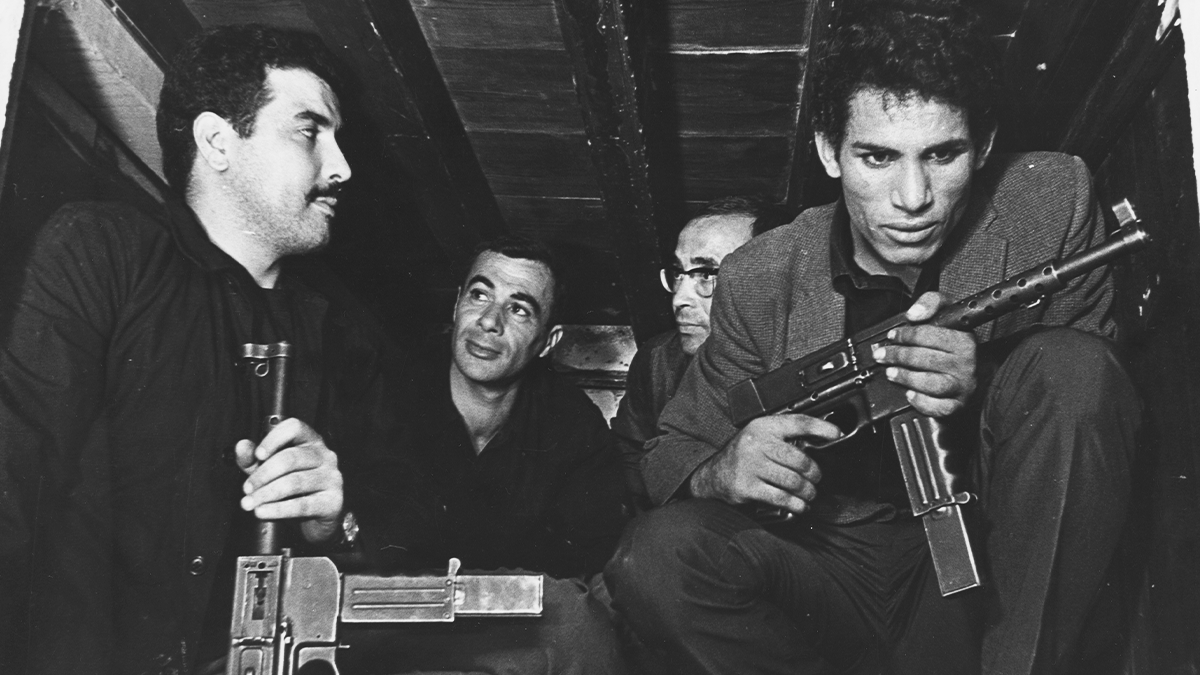
Gillo Pontecorvo
136 minutes
Pontecorvo’s revolutionary classic remains a benchmark in cinematic realism as well as a case study in representing political insurgency. A history of Algeria’s three-year fight for independence from its French colonizers, THE BATTLE OF ALGIERS chronicles the escalating violence between French military forces and the Algerian guerrilla movement. With its documentary-style immediacy and its vivid depiction of the struggle between oppression and resistance, this is one of the most influential and important of all political films.
THE MORRICONE CONTRIBUTION:
Military snare drums, urgent brass, and nervous ostinatos collide with mournful North African-inflected melodies. Half funeral procession, half revolutionary battle cry.
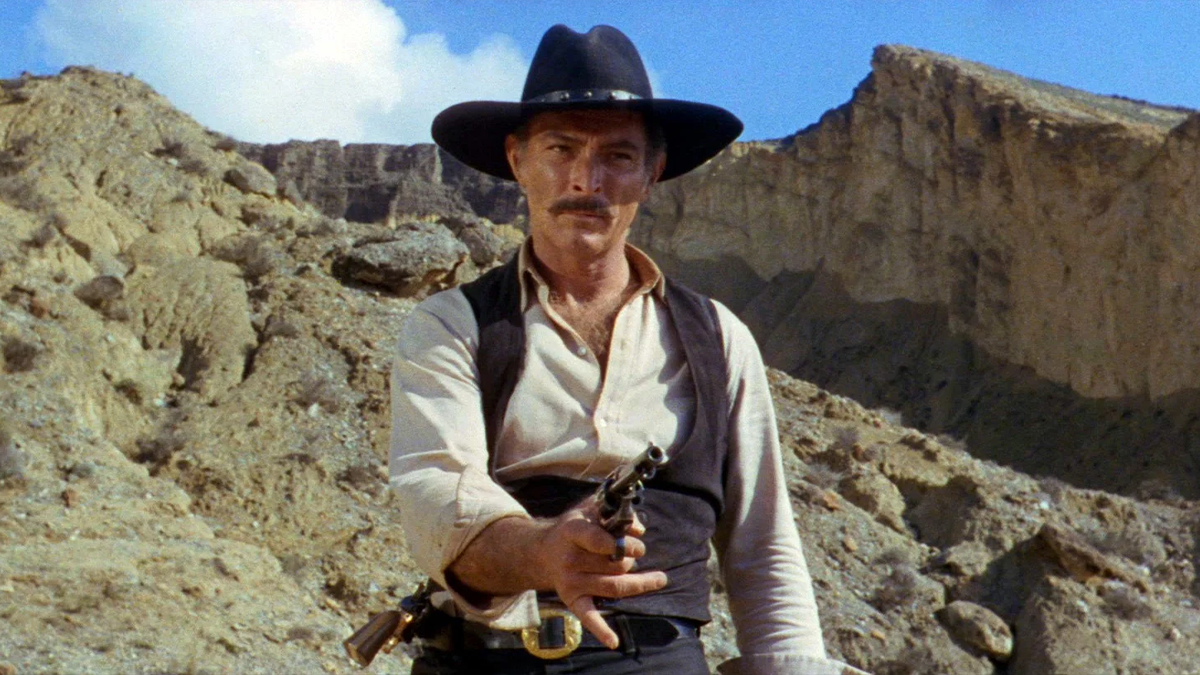
Sergio Sollima
110 minutes
Sergio Sollima’s THE BIG GUNDOWN is a pivotal film in the genre of Spaghetti Westerns. Unlike the usual ‘buddy’ westerns featuring two opposite characters who end up working towards a common goal, majority of The Big Gundown is about Van Cleef’s search for Milian’s heinous criminal. But the journey becomes an investigation into how we perceive crime, the economic forces which dictate social actions, and how an individual makes a judgment on fellow human beings. Sergio Sollima adapted a story by Franco Solinas (THE BATTLE OF ALGIERS), to create a rare spectacle that directly confronts race, class and crime. Sollima directs the material with unusual patience. Instead of building toward a showdown between hero and villain, he gradually reveals that the real conflict is between power and truth.
“One of the finest attacks on the rule of law ever put on film. Political revisionism instead of revisionism (so rare) and all the more powerful because it so expertly recognizes its forms. True radical populist politics.” - Filipe Furtado
THE MORRICONE CONTRIBUTION:
One of Morricone's strangest western scores: shrieking voices, pounding percussion, nursery-rhyme melodies, and sudden bursts of mariachi brass. It sounds like the circus leading a manhunt.
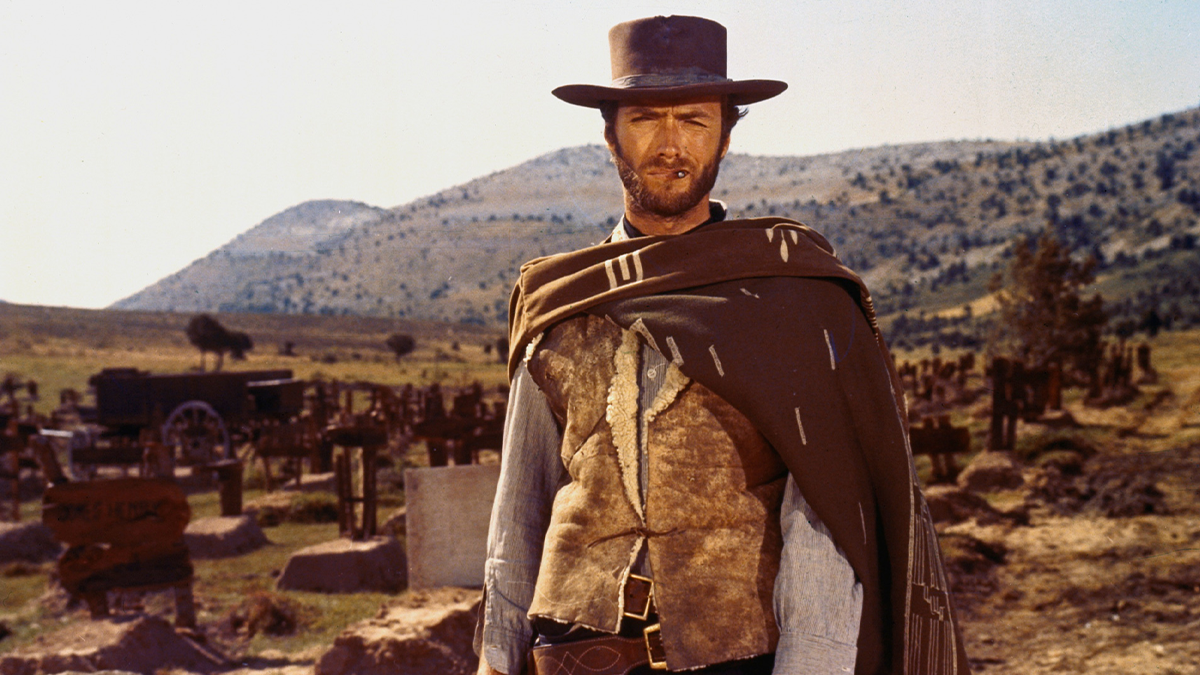
Sergio Leone
177 minutes
Director Sergio Leone stretches everything to the breaking point: faces, silences, landscapes, gunfights, even footsteps. By the time Ennio Morricone's score reaches its famous climax, we know deep in our bones why the piece is titled ‘The Ecstasy of Gold’. It truly does not get better than THIS.
THE MORRICONE CONTRIBUTION:
Coyotes howl through human voices, electric guitar twangs across vast empty space, and trumpets announce destiny itself. It's a bizarre sonic junkyard. Whistles, cracking snares, chants, bells, and surf-rock fragments assembled into myth.
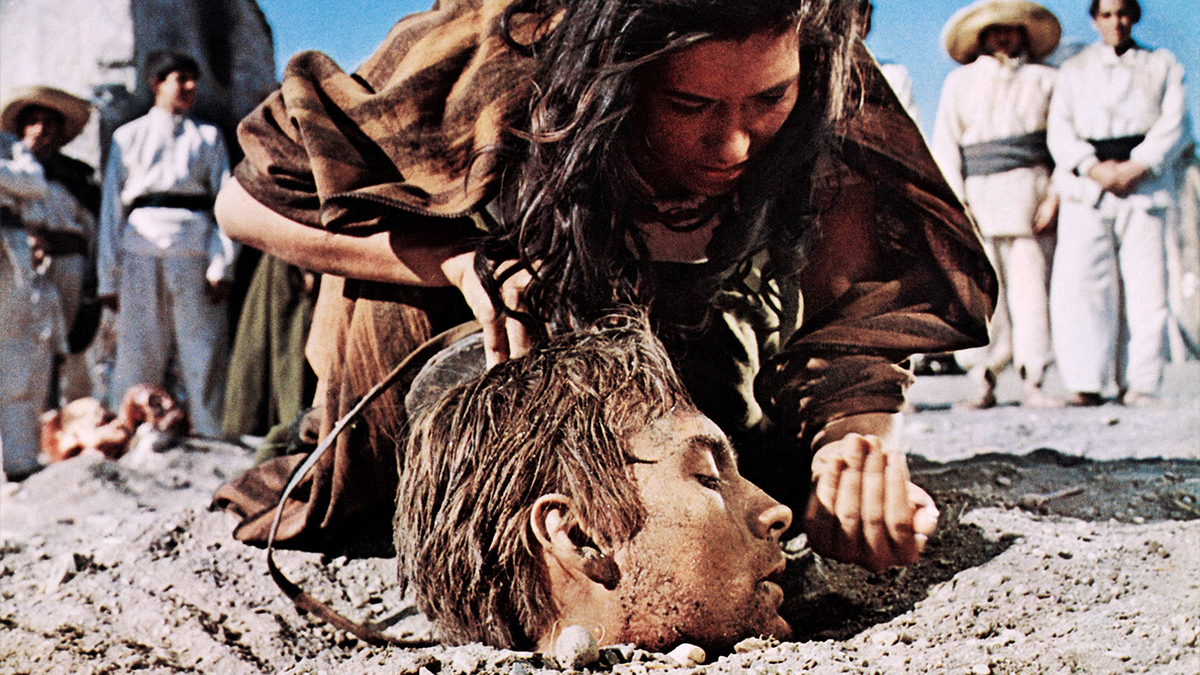
Giulio Petroni
114 minutes
The result is lean, vicious, and strangely elegant. It’s not a western about justice. It’s a western about memory. And memory, unlike frontier outlaws, never stops coming back.
“One of the few non-Leone spaghetti westerns that comes close to Leone's knack for purely visual storytelling, and doesn't get bogged down in a lot of dry dialogue. So much of the movie is made up of expressionistic closeups - a face, a gun, another face, dust, a bullet, etc. And the dialogue, in the rare cases when it does happen, is terse, clever, and often funny.” - Joe Gibson
THE MORRICONE CONTRIBUTION:
A score built around obsession. A ticking pocket watch, ghostly wordless vocals, and relentless rhythmic repetition create a feeling of vastness without freedom. Traumatic memories echoing in your ears until they become a weapon of revenge.
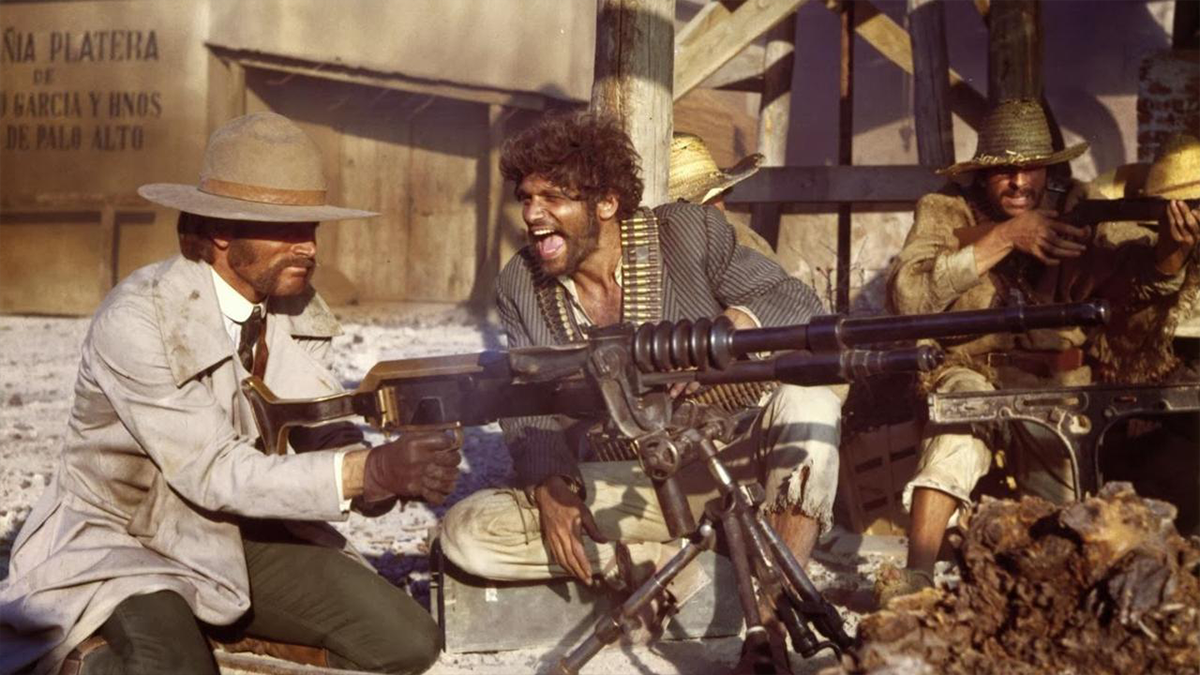
Sergio Corbucci
110 minutes
By the final frames the bulk of the political subtext has been packed away in mothballs so Corbucci and friends can have more fun with the characters than they would if they were trying to lecture the audience on third-world revolution and its opportunistic exploitation by first world interlopers. For instance, there’s a climactic shootout featuring a rodeo clown and at one point Franco Nero lights a match off of a woman's cleavage.
THE MORRICONE CONTRIBUTION:
Bold revolutionary fanfares, swaggering marches, and soaring vocal melodies explode from every direction. "L'Arena" in particular feels like a declaration of triumph roaring from a mountaintop.
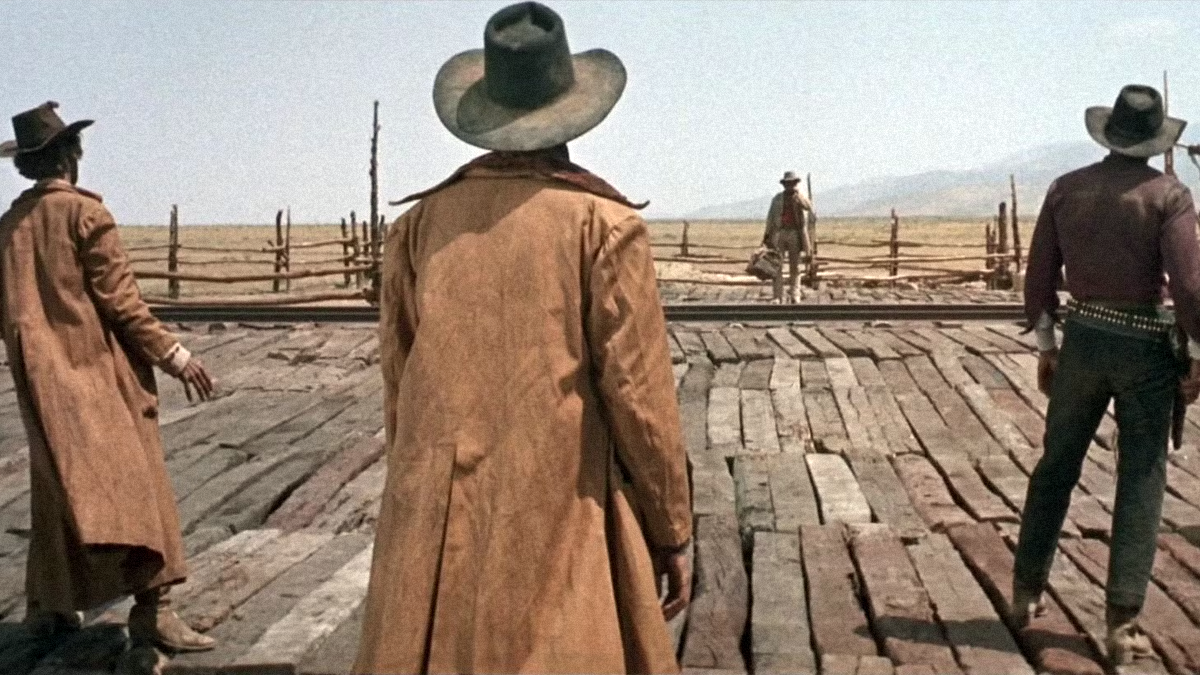
Sergio Leone
171 minutes
Rather than celebrating the conquest of the frontier, Leone lingers on what is being lost as modernity arrives. Every gesture, glance, and gunshot carries the weight of history. As our friend Joe puts it, “The definitive Sergio Leone shot: an extreme close-up of someone at the exact moment they suddenly realize they're fucked.” Photographed in breathtaking widescreen and elevated by Ennio Morricone’s unforgettable score, ONCE UPON A TIME IN THE WEST stands as one of cinema’s grandest elegies—Leone’s final attempt at transforming the terrain of the Western into something mythic, mournful, and operatic.
THE MORRICONE CONTRIBUTION:
Each major character arrives carrying their own sacred hymn. Edda Dell'Orso's voice floats above the orchestra like a mirage while harmonicas, church bells, and immense strings stretch into infinity. Forget Wagner, Verdi and Puccini. This is the greatest opera ever written.
Henri Verneuil
121 minutes
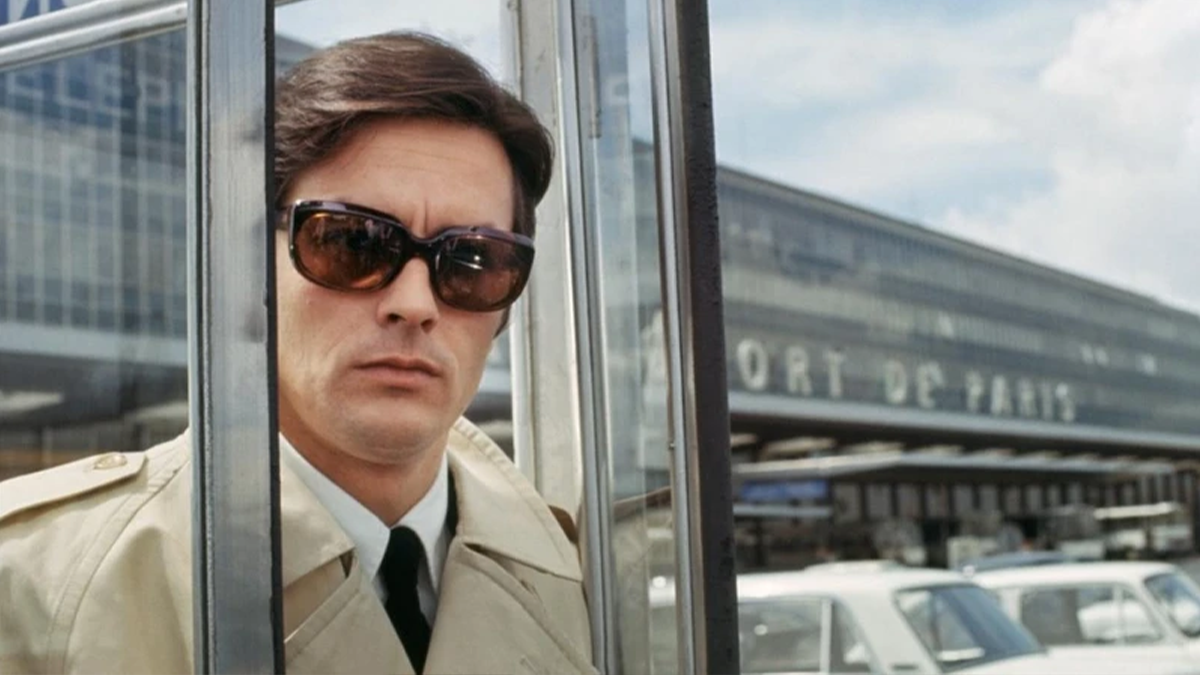
Henri Verneuil's 1969 caper follows a powerful Sicilian crime family, a ruthless professional thief, and an increasingly complicated jewel heist that stretches from Paris to New York. The mechanics of the plot are satisfying, but the real attraction is watching three giants of European cinema circle one another. There's a fashionable aloof coolness to French gangsters that is unrivaled. Case in point: Alain Delon eel fishing in shades, a blousey open shirt, and leather pants. He should look neither cool nor masculine, but he is both of those things to a point that is beyond measurement. Then he smashes the eel against a rock... erotically.
Welcome to French crime heaven.
“Plays out so casually that its narrative precision only becomes apparent at the end, when it suddenly turns from the RIO BRAVO of caper movies into the CASABLANCA of them.” - Matt Lynch
THE MORRICONE CONTRIBUTION:
A cool, elegant crime score driven by a striking mix of acoustic guitar, jew's harp, whistling, and a strange, reverberating "Sicilian boing." Glides forward with effortless coolness.
Lucio Fulci
95 minutes
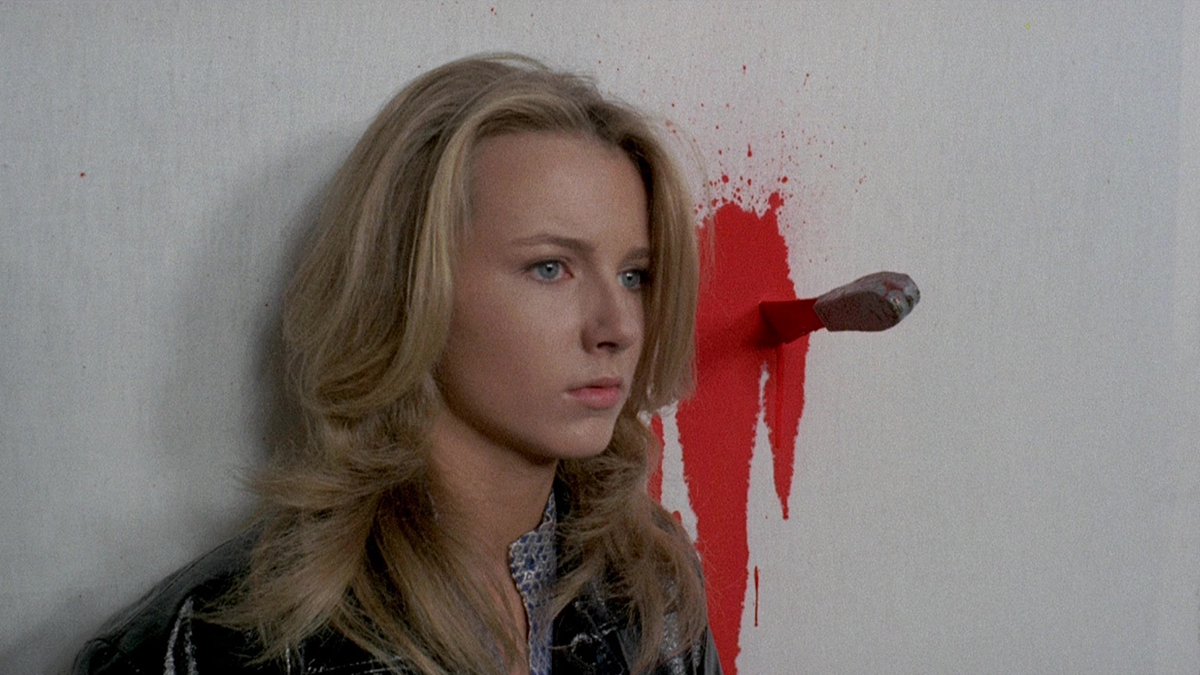
Arthouse/grindhouse mainstay Florinda Bolkan stars as Carol, an uptight housewife with an even more uptight husband (Jean Sorel) and a somehow even more uptight politician father (Leo Genn). Her neighbor Julia (Anita Strindberg) has wild, loud happenings that reverberate through the walls into Carol's staid dining room — and even deeper into her subconscious. Carol starts having erotic, disturbing dreams about Julia, which culminate in Julia's murder at Carol's hands. When Julia is found dead in reality, Carol must figure out the link between her dreams and reality.
Made before Fulci became internationally famous for eyeball trauma and industrial-strength gore, A LIZARD IN A WOMAN'S SKIN reveals a filmmaker more interested in the psychological disorientation inside of our brains than what those brains look like after our skulls have been crushed. Still, the murders here are shocking, the visuals are beautiful, and nearly everyone appears to be having a nervous breakdown in some exceptionally fashionable surroundings.
THE MORRICONE CONTRIBUTION:
One of Morricone's most hallucinatory creations: whispered voices, disembodied moans, distorted percussion, and drifting jazz textures. It's music carried back out of its composer's uneasy dreams. Beautiful and faintly diseased.
Sergio Sollima
115 minutes
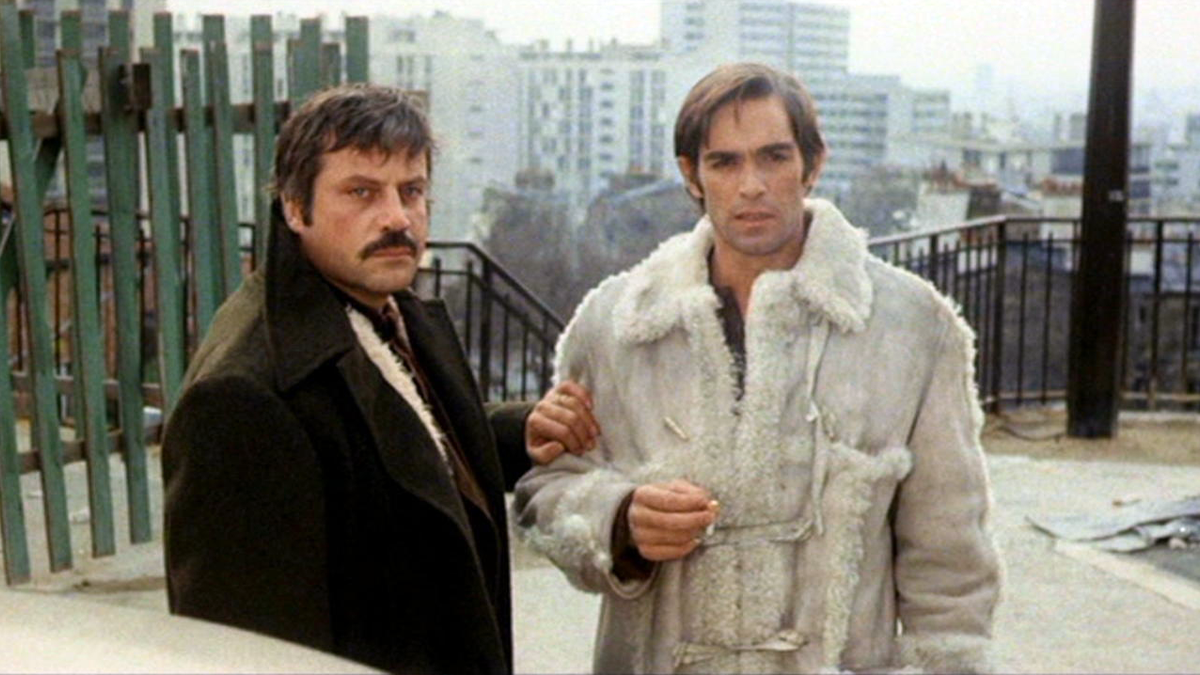
Anchored by the combustible pairing of Reed and Testi, REVOLVER blends hard-edged action with the paranoia and social unrest that defined Italy’s Years of Lead. Sollima’s film remains a gripping and emotionally charged example of the poliziottesco at its most intelligent and humane.
THE MORRICONE CONTRIBUTION:
Driven by the famous theme "Un Amico," the score alternates between melancholic lyricism and nervous, urban tension. It never settles into a stable emotional state, blending the emotional directness of a pop ballad with the fatalistically propulsive feeling of being trapped inside a machine.
John Boorman
117 minutes
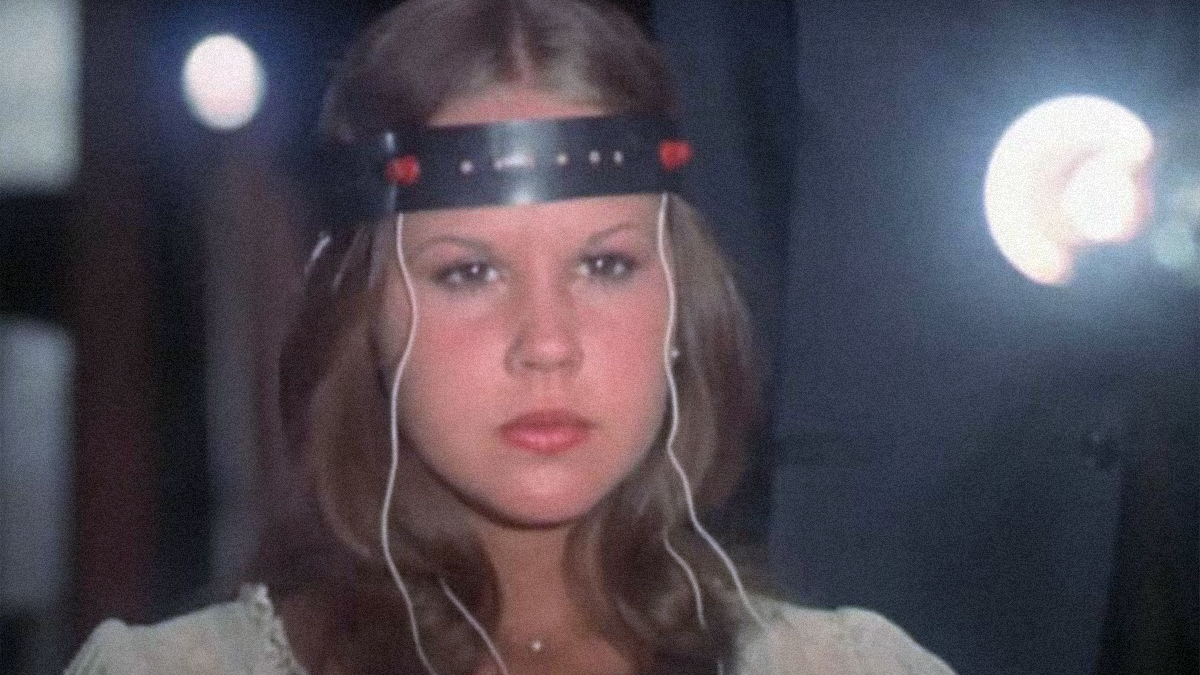
Few sequels have wandered so boldly away from their source. Released four years after William Friedkin’s landmark horror film, this quintessential John Boorman freakout abandons claustrophobic terror in favor of mysticism, science fiction, dream logic, and theological speculation. When Father Lamont (Richard Burton) is tasked with investigating the death of Father Merrin, his search leads him back to Regan MacNeil (Linda Blair), whose past encounter with demonic possession appears connected to a mysterious force stretching across continents and centuries.
Locust swarms, psychic synchronizers, African visions, doppelgängers, and cosmic battles between good and evil collide in a film that seems determined to reinvent itself from scene to scene. Dismissed on release but increasingly admired for its audacity, EXORCIST II remains one of the strangest productions ever mounted by a major Hollywood studio. Ambitious, baffling, beautiful, ridiculous, and frequently all four at once, it occupies a category reserved for films that pivot so spectacularly into insanity they create entirely new forms of success.
THE MORRICONE CONTRIBUTION:
A gloriously unhinged mixture of angelic choirs, tribal percussion, buzzing electronics, and ecstatic orchestral surges. It sounds like an intercepted sacred ritual broadcast from another planet.
Massimo Dallamano
103 minutes
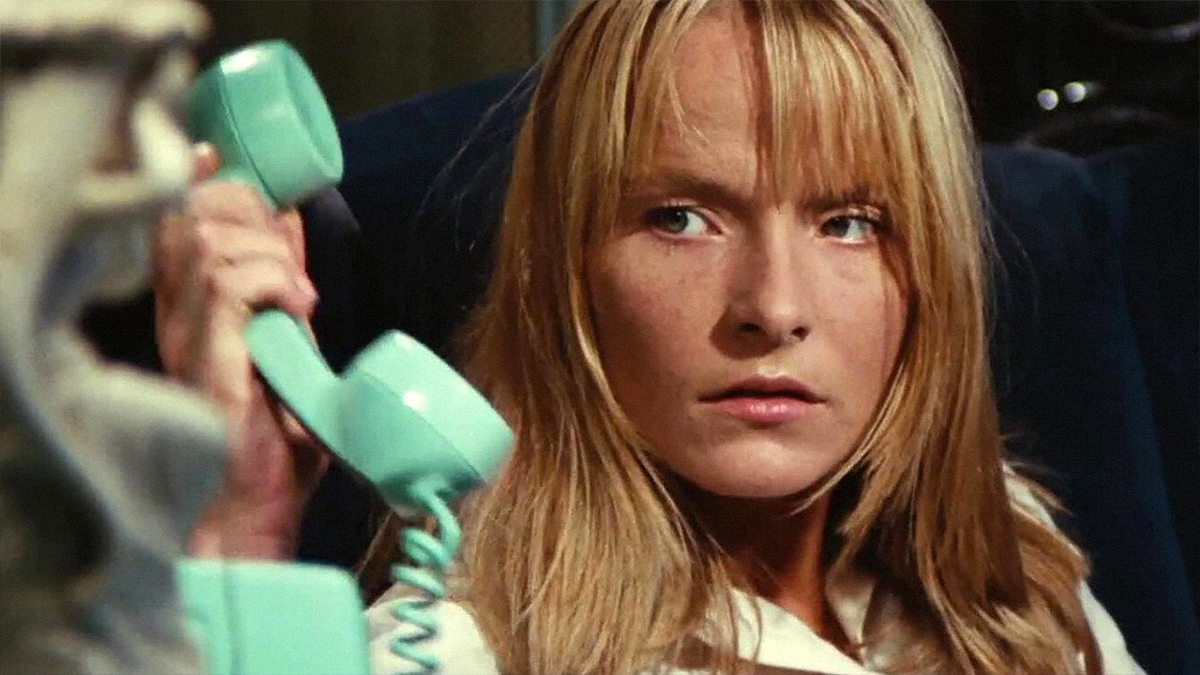
Distinguished by its mournful atmosphere and unusually compassionate view of its victims, Dallamano’s film occupies a singular place within the giallo tradition. The expected pleasures of the genre—stylish murders, erotic intrigue, and elaborate investigation—remain present, but they are overshadowed by a persistent sense of tragedy. Marriage counseling is one thing; solving the murder of your underage mistress alongside your betrayed wife is another.
THE MORRICONE CONTRIBUTION:
A heartbreaking lullaby repeatedly returns amid yearning strings and fragile vocals. The score balances innocence and dread so delicately that even its prettiest moments feel haunted by something unspeakable.
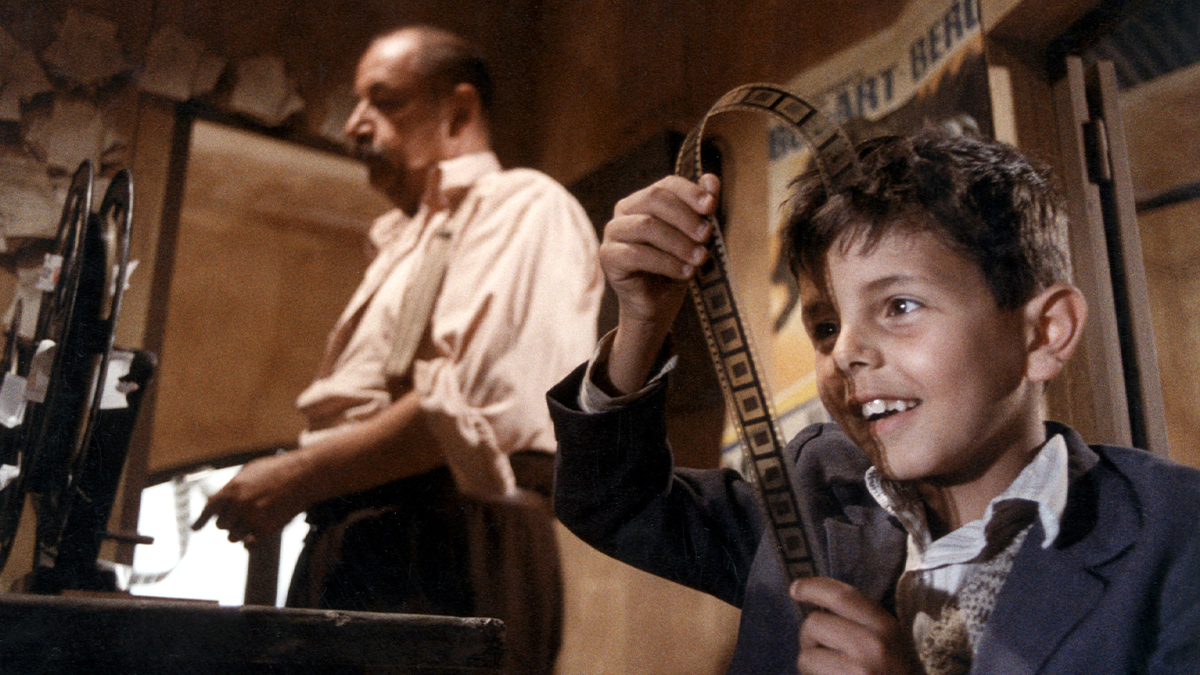
Giuseppe Tornatore
155 minutes
Yet for all its affection for cinema, CINEMA PARADISO is equally a film about memory—about the people, places, and fleeting moments that seem ordinary until time transforms them into something precious. Tornatore recreates a vanished world with warmth and generosity, while Ennio Morricone’s soaring score lends the film an emotional resonance that lingers long after the final scene.It remains one of cinema’s most heartfelt celebrations of moviegoing and the audiences who make it meaningful.
THE MORRICONE CONTRIBUTION:
A score built from long, nostalgic melodies carried by warm strings, gentle piano, haunting woodwinds, and solo trumpet, orchestrated with extraordinary restraint so that every phrase is allowed to breathe. The same theme evokes childhood innocence, adult regret, romantic longing, or cinematic dazzlement depending on the instrumental color surrounding it.