BOXING DAY
Mama said knock you out.
Films in this Program
Robert Wise
72 minutes
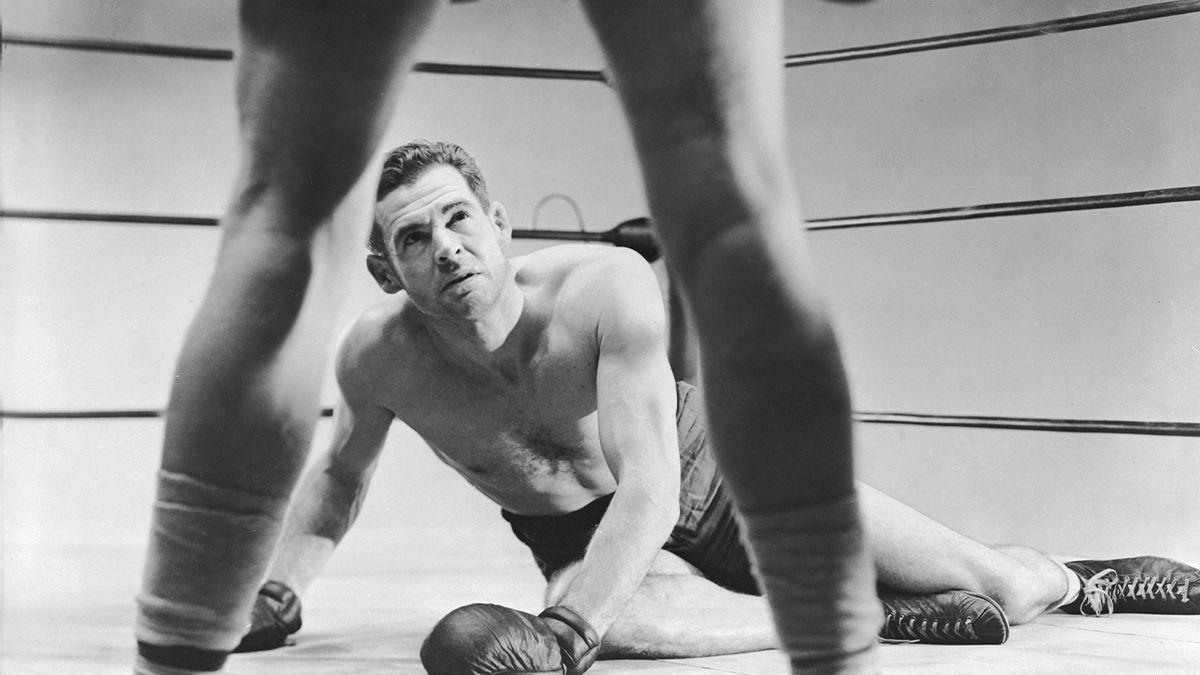
From the moment that Stoker Thompson (Robert Ryan) steps into the ring, with the crowd roaring its blood lust to see him bloodied and beaten, Thompson knows this fight is going to go badly. He doesn't know his manager has taken a bribe for him to lose the fight: The manager is so sure Thompson will lose, that he's going to keep the whole bribe when Thompson is knocked out. But when the aging fighter discovers the fix, he brutally pummels his opponent … without realizing that by winning the bout he's crossing the mob--or that there will be terrible consequences for his victory in the ring. THE SET-UP, directed by Robert Wise and produced on a shoestring and a small RKO backlot in 1949, is an epic and deeply personal B-picture about the heartbreaking disappointments of fighting to create your own victories.
"One for the Ten Best lists. This is the boxing movie to lick all others, with Ryan impeccable as the ageing fighter gearing up for a bout he’s expected to lose; Audrey Totter leaving him because she can’t stand the mental and physical battering of the fight business, wandering the streets amid snatches of ringside radio commentary; and an invading sense of desolation the result. Great blue moments in black-and-white from a director whose early work is still outstanding: the film burns with the humanity that RAGING BULL never quite achieves, an expression of masochism mixed with futile pride that is the essence of boxing as a movie myth." – Time Out
"One for the Ten Best lists. This is the boxing movie to lick all others, with Ryan impeccable as the ageing fighter gearing up for a bout he’s expected to lose; Audrey Totter leaving him because she can’t stand the mental and physical battering of the fight business, wandering the streets amid snatches of ringside radio commentary; and an invading sense of desolation the result. Great blue moments in black-and-white from a director whose early work is still outstanding: the film burns with the humanity that RAGING BULL never quite achieves, an expression of masochism mixed with futile pride that is the essence of boxing as a movie myth." – Time Out
John Huston
97 minutes
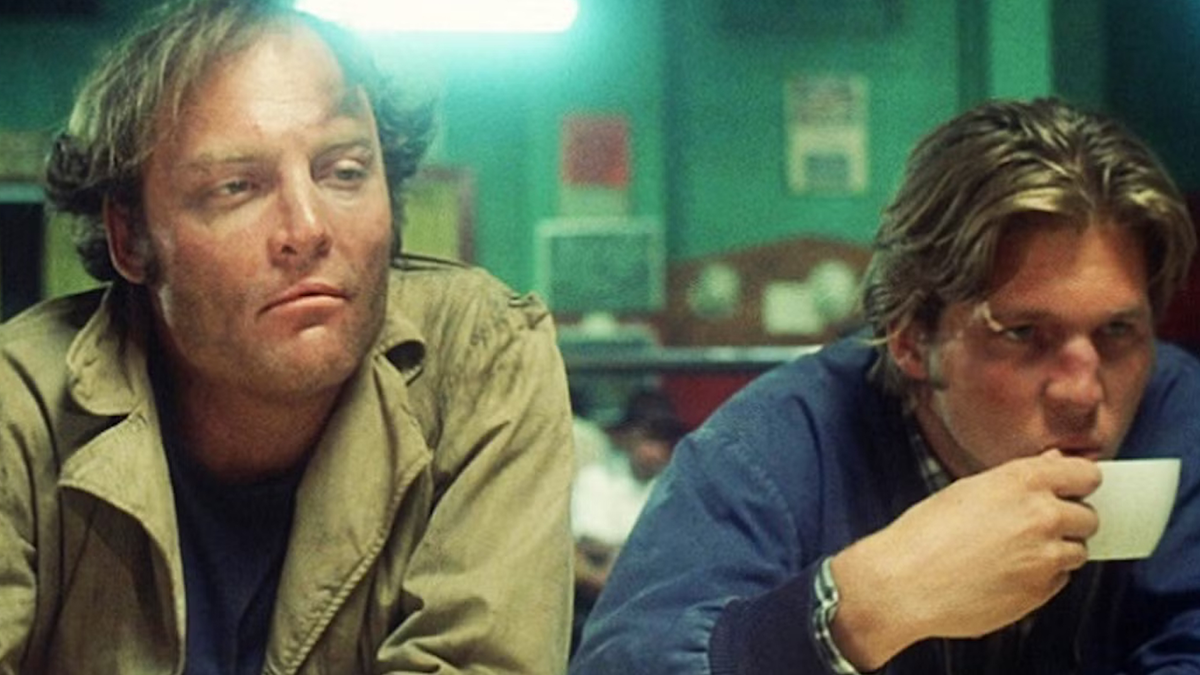
Adapting Leonard Gardner’s 1969 boxing novel of the same name, describing the dreams and desperate, dilatory delusions that proliferate at the lower rungs of the Sweet Science, onetime California lightweight hopeful — and longtime Hollywood black sheep — Huston dug deep into his bruised gut and pulled out this rueful masterpiece, one of the finest boxing films ever made. Concerning a dipso has-been (Stacy Keach) and his shoddy mentorship of a never-will-be (Jeff Bridges). But they're both fighting other battles, for Bridges his knocked-up girlfriend Candy Clark (in her debut), and for Keach his involvement with (Oscar-nominated) Susan Tyrell, tearing it up as the barfly to end all barflies (“boozed, blowsy, and so good, so out of her mind with hope and depression, so used, so soiled, so lifelike…” – David Thompson). Maybe just one more win for Keach, and he could get it all back. But what changes if you actually win?
All location-shot by the great Conrad Hall (“with lovely shabby color that looks like paper used to wrap a burger” –Thompson) in Stockton, California at its dustiest, these are perhaps the Losing-est in Huston’s gallery of Beautiful Losers, with terrific if decidedly unglamorous boxing scenes and a cast seeded with actual fighters, most notably former welterweight champ Curtis Cokes in his only acting role, letter-perfect as Tyrell’s sometimes boyfriend “Earl.”
"Made more than 50 years ago by Huston, FAT CITY could also be thought of evolving from Neorealism, but in an American context, and in the hands of major Hollywood figures. Conrad Hall’s work here is one of the best examples of 1970s cinematography, that ‘old school’ period before any new technologies made their appearance." —Jeff Wall
All location-shot by the great Conrad Hall (“with lovely shabby color that looks like paper used to wrap a burger” –Thompson) in Stockton, California at its dustiest, these are perhaps the Losing-est in Huston’s gallery of Beautiful Losers, with terrific if decidedly unglamorous boxing scenes and a cast seeded with actual fighters, most notably former welterweight champ Curtis Cokes in his only acting role, letter-perfect as Tyrell’s sometimes boyfriend “Earl.”
"Made more than 50 years ago by Huston, FAT CITY could also be thought of evolving from Neorealism, but in an American context, and in the hands of major Hollywood figures. Conrad Hall’s work here is one of the best examples of 1970s cinematography, that ‘old school’ period before any new technologies made their appearance." —Jeff Wall
Martin Scorsese
129 minutes
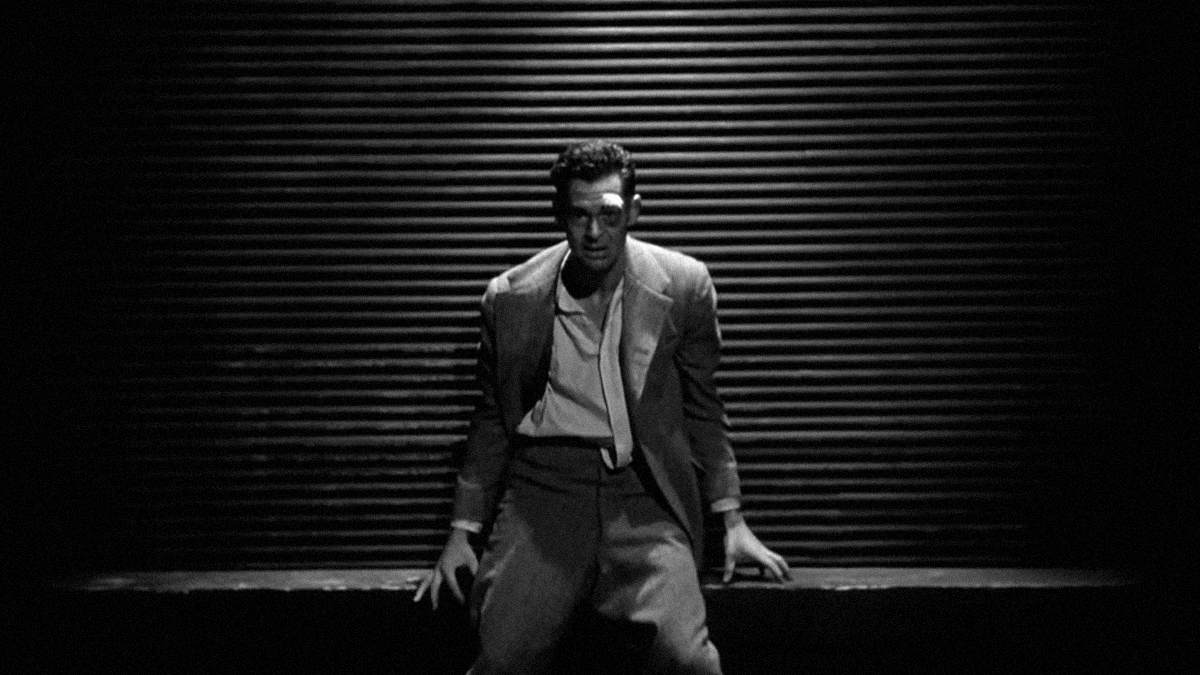
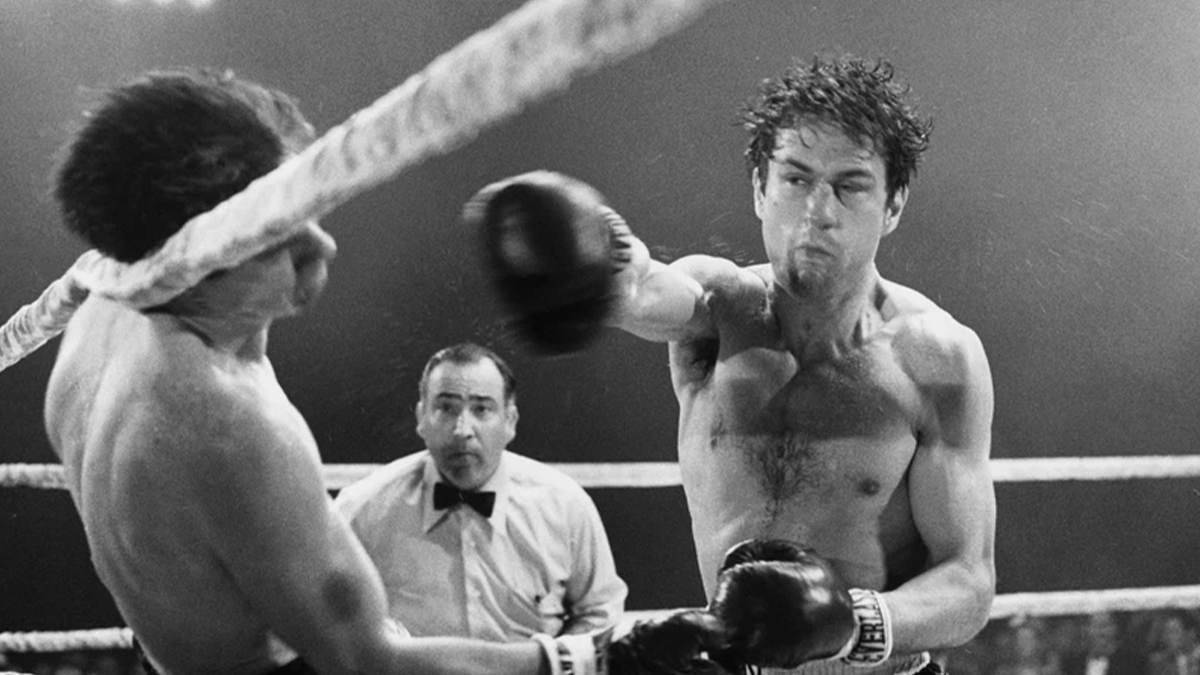
With this stunningly visceral portrait of self-destructive machismo, Martin Scorsese created one of the truly great and visionary works of modern cinema. Robert De Niro pours his blood, sweat, and brute physicality into the role of Jake La Motta, the rising middleweight boxer from the Bronx whose furious ambition propels him to success within the ring but whose unbridled paranoia and jealousy tatter his relationships with everyone in his orbit, including his brother and manager (Joe Pesci) and his gorgeous, streetwise wife (Cathy Moriarty). Thelma Schoonmaker’s Oscar-winning editing, Michael Chapman’s extraordinarily tactile black-and-white cinematography, and Frank Warner’s ingenious sound design combine to make RAGING BULL a uniquely powerful exploration of violence on multiple levels—physical, emotional, psychic, and spiritual.
Shinya Tsukamoto
87 minutes
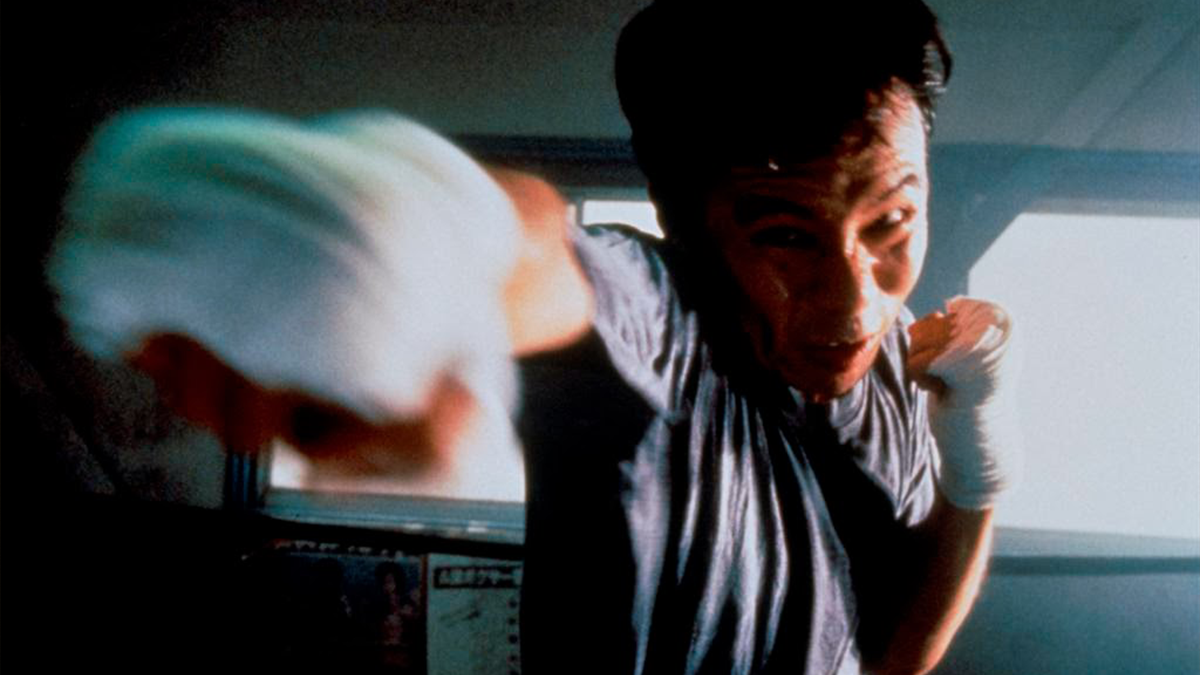
Shinya Tsukamoto (TETSUO: THE IRON MAN) once again steps out from behind the camera and stars as Tsuda in this harrowing story of a salaryman trapped in a monotonous existence, detached from his own identity and submerged in the grind of daily life. Tsuda’s peaceful world with his ideal wife, Hizuru, begins to shatter when his brother, Kojima, a professional boxer, returns.
Kojima’s violent, sculpted body and brutal persona captivate Tsuda with both admiration and jealousy. As Kojima seduces Tsuda’s wife, Tsuda is pushed to the brink of insanity, confronting a darkness that drives him to the gym, determined to transform his own body into a weapon for revenge. Tsukamoto’s signature kinetic direction amplifies the physical and psychological violence, depicting Tsuda’s spiraling descent into obsession and rage as he attempts to outdo his brother’s power.
With raw, visceral imagery and an unflinching portrayal of toxic masculinity, TOKYO FIST immerses viewers in a world where physical pain and emotional torment are inseparable, leading to a devastating unraveling of the soul. Tsukamoto’s performance alongside his real-life brother, Kôji, infuses the film with a personal intensity, making it a relentless, unforgettable meditation on the destructive forces of desire, envy, and revenge.
Kojima’s violent, sculpted body and brutal persona captivate Tsuda with both admiration and jealousy. As Kojima seduces Tsuda’s wife, Tsuda is pushed to the brink of insanity, confronting a darkness that drives him to the gym, determined to transform his own body into a weapon for revenge. Tsukamoto’s signature kinetic direction amplifies the physical and psychological violence, depicting Tsuda’s spiraling descent into obsession and rage as he attempts to outdo his brother’s power.
With raw, visceral imagery and an unflinching portrayal of toxic masculinity, TOKYO FIST immerses viewers in a world where physical pain and emotional torment are inseparable, leading to a devastating unraveling of the soul. Tsukamoto’s performance alongside his real-life brother, Kôji, infuses the film with a personal intensity, making it a relentless, unforgettable meditation on the destructive forces of desire, envy, and revenge.