Homepage

A Movie Theater
in Columbia City

4405 Rainier Ave S
Seattle, WA 98118

Join The Mystic Order of The Beacon

DESTROY ME MORE: SELF-DESTRUCTION AND MUTUAL ANNIHILATION AS A TRANSCENDENTAL ART
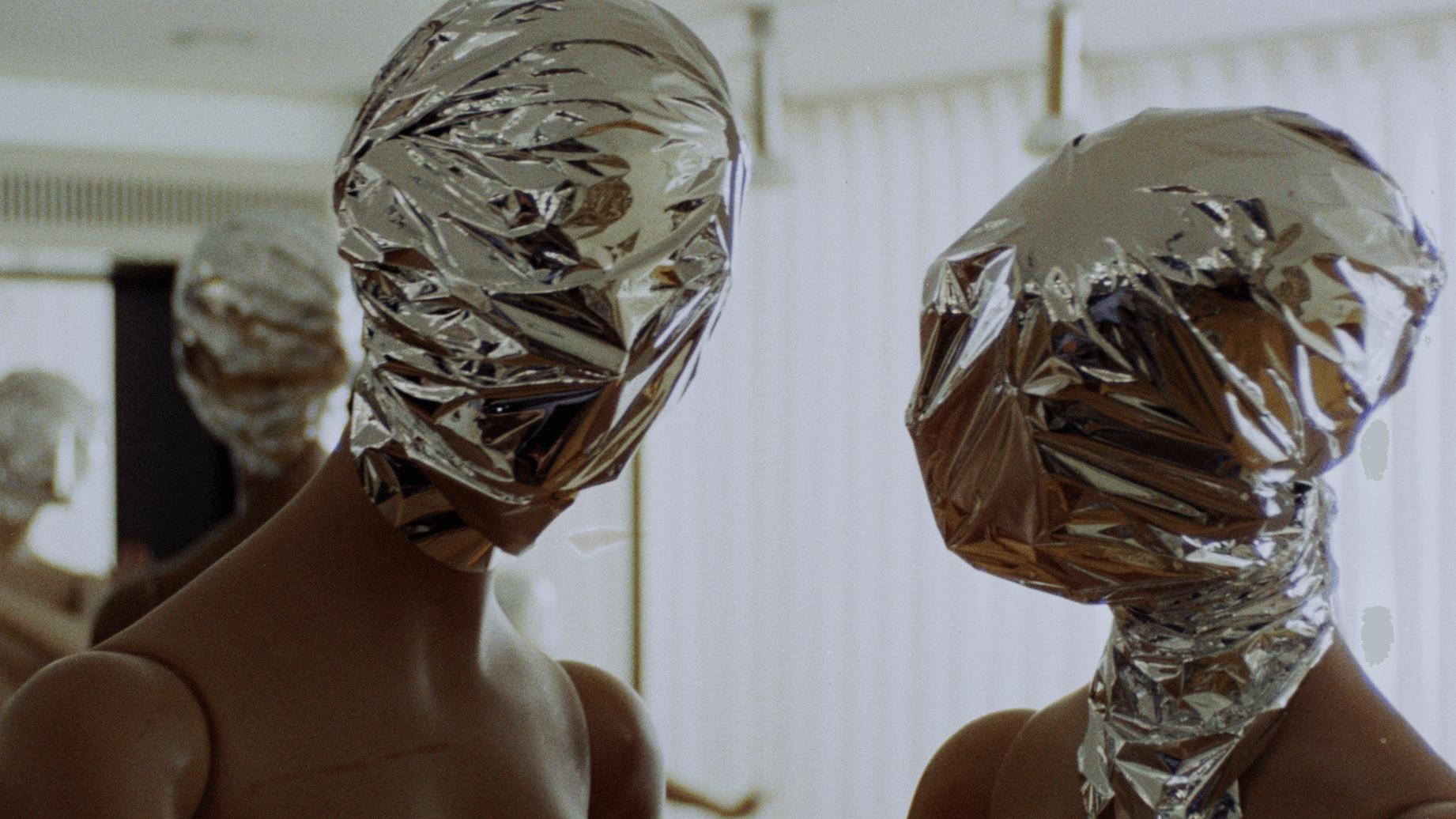
SEPTEMBER Now Playing

“A journey toward the estrangement of the self from the self…”
—Susan Sontag

DESTROY ME MORE is a series of films about self-destruction that go beyond punishment. Rather, they depict a kind of self-destruction that approaches a total untethering of one’s ‘self’ from one’s physical form, breaking through the limits of consciousness. These films deal with characters who have an uncompromising impulse to self-immolate and become something beyond themselves, beyond human—whether in complete solitude or total enrapture in another person, catapulting towards annihilation. It’s romantic, it’s grotesque, played out, idealistic, problematic, and yet—it’s true. And it’s impossible outside of fiction.

In the Era of Self-Expression that we live in, a film about self-destruction is a powerful thing. Rebecca J. Erickson observes “an increasing fetishisation of the individual, such that the search for, or articulation of, the ‘true self’ has become an all-consuming project,” with authenticity as the new ultimate consumer good. Instead of working towards building authentic characters, films about the obscene hidden desires of individuals like those in this series present the impossibility of this self-obsessed task. Representations of the self-destructive tendency, that dark taboo desire that lurks within every individual, at some time in their lives, in some part of their psyche, take individuality to its most extreme state—a person taking the ultimate control over their own fate, ironically ending up in annihilation.

“Works dealing with that specific and sharpest inflection of the themes of lust, ‘the obscene,’ [are about death]. It’s toward the gratifications of death, succeeding and surpassing those of eros, that every truly obscene quest tends.”
—Susan Sontag

Come lose yourself at the Beacon this September.

Films in this Program

David Cronenberg

100 MINUTES
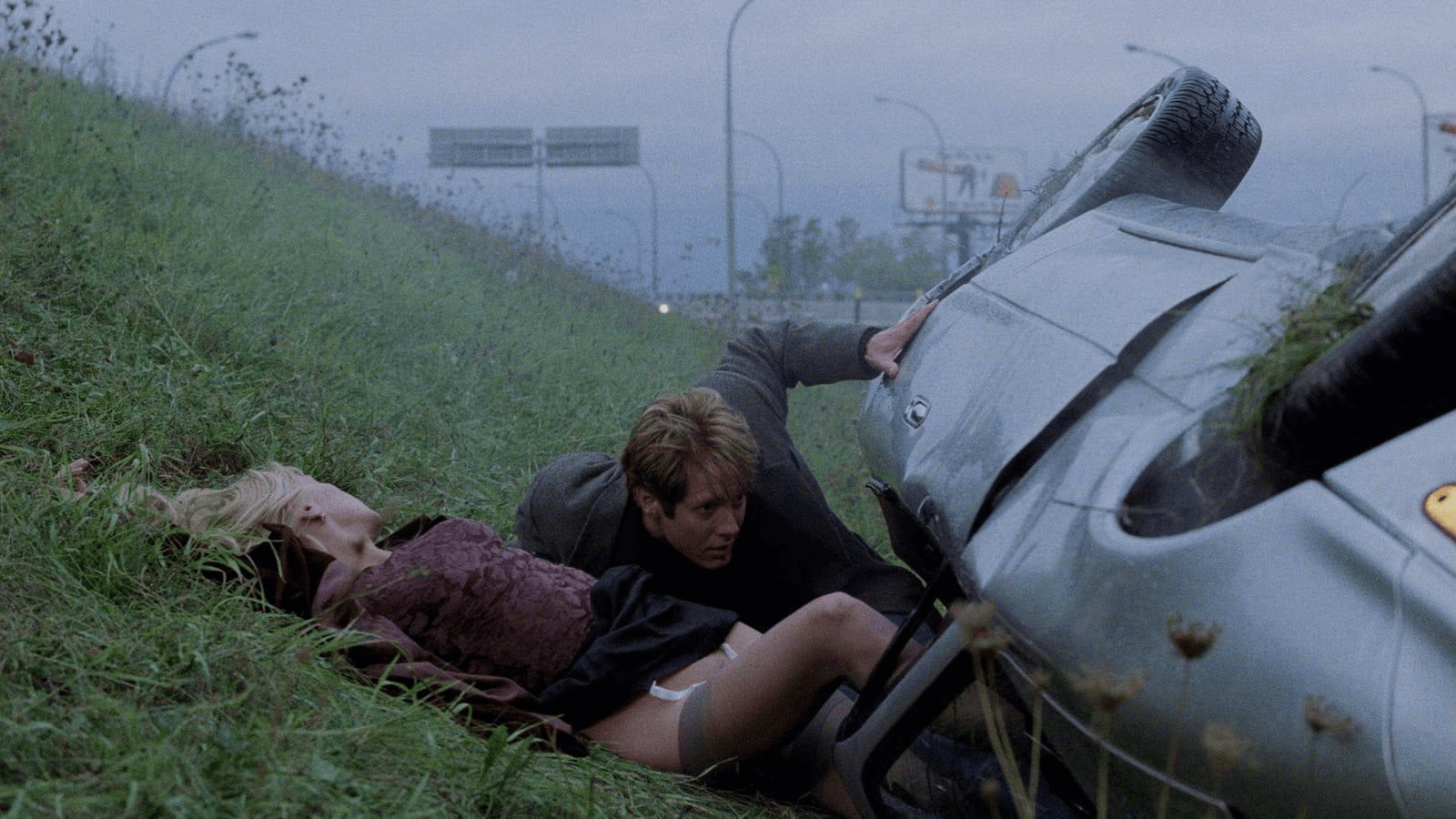
For this icily erotic fusion of flesh and machine, David Cronenberg adapted J. G. Ballard’s future-shock novel of the 1970s into one of the most singular and provocative films of the 1990s. A traffic collision involving a disaffected commercial producer, James (James Spader), and an enigmatic doctor, Helen (Holly Hunter), brings them, along with James’s wife, Catherine (Deborah Kara Unger, in a sublimely detached performance), together in a crucible of blood and broken glass—and it’s not long before they are all initiated into a kinky, death-obsessed underworld of sadomasochistic car-crash fetishists for whom twisted metal and scar tissue are the ultimate turn-ons. Controversial from the moment it premiered at Cannes—where it won a Special Jury Prize “for originality, for daring, and for audacity”—CRASH has since taken its place as a key text of late-twentieth-century cinema, a disturbingly seductive treatise on the relationships between humanity and technology, sex and violence, that is as unsettling as it is mesmerizing.

Marina de Van

93 MINUTES

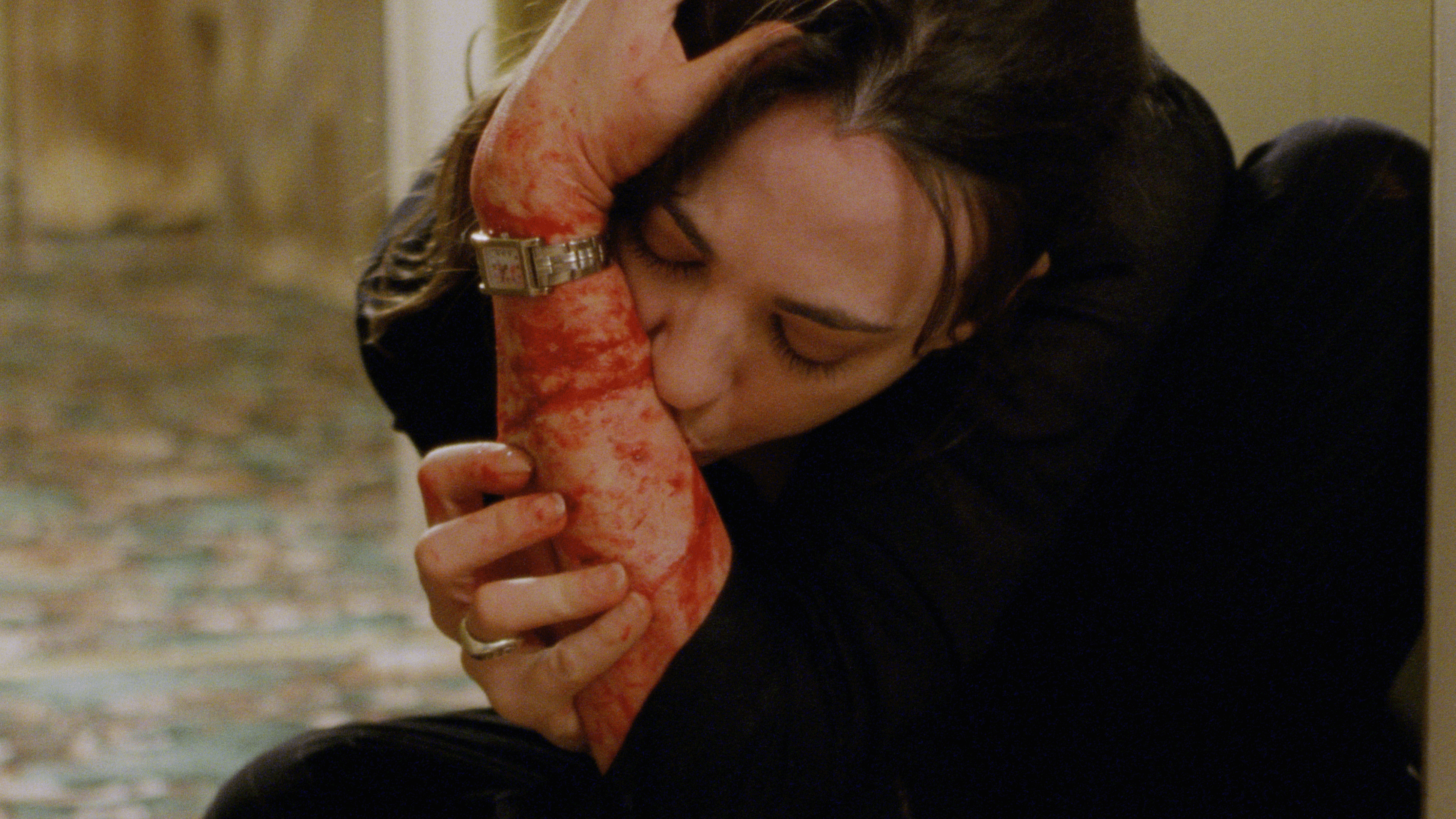
Feminism and French New Extremity have always been a powerfully potent combination in the hands of female directors like Catherine Breillat (FAT GIRL) and Claire Denis (TROUBLE EVERY DAY), and auteur Marina de Van joined their righteously twisted ranks with her gorgeous and grotesque 2002 horror breakthrough IN MY SKIN. Esther has been recovering from a recent leg injury when she develops an increasingly disturbing relationship with her body, one where the lines between painful pleasure and self-mutilation become irrevocably blurred. Body horror filtered through serrated expectations of body image, IN MY SKIN is a powerful vision of feminist rage that will sink its teeth into you and never let go.

The Beacon is proud to be premiering the glorious new restoration of IN MY SKIN by Severin Films!
Shinya Tsukamoto

91 MINUTES

“Cocco and Tsukamoto bring a sensitivity and sympathy that softens the blow and makes even the most grim moments beautiful.”—Dave Jackson, Letterboxd

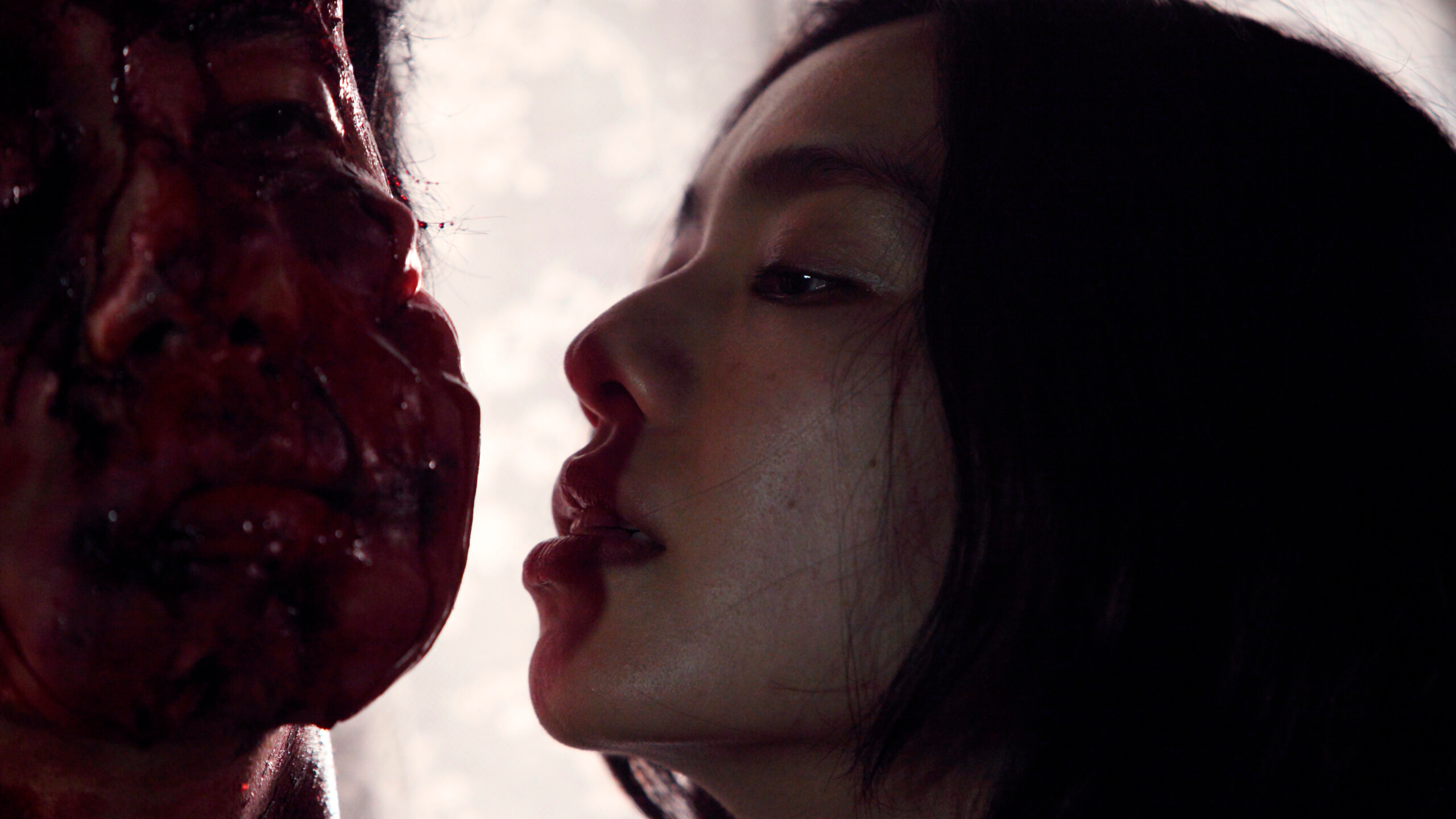
Co-written and directed by Shinya Tsukamoto (TETSUO: THE IRON MAN), KOTOKO is a nightmarish and hallucinogenic feast for the senses from Japan’s most consistently irreverent genre filmmaker. Kotoko (pop star and co-writer Cocco, in her first starring role) is a mother struggling to raise her young son Daijiro. As her grip on reality lessens, Kotoko begins to see doubles of everyone — one good, and one evil. Unfortunately, she can’t tell which one is real. As Kotoko’s life devolves into a paranoia-induced state, a famous author (played by Tsukamoto) takes an interest in her… for better or worse.

“The extreme brutality of Kotoko’s self-harm and Tanaka’s disfigurement borders on the grotesque—this is in line with the emotional realism embodied in the physicality of characters in other Tsukamoto movies like TOKYO FIST. In KOTOKO, however, the wounds are not emblems of exploration, transformation, or even a release of explosive angst leading the character to experience jouissance. Instead, they represent the desperation and isolation mothers experience, dealt with as a last-ditch Hail Mary of sorts—an attempt to experience the living force of the body by a psyche weary of life.”—Mahim Lakhani
Michael Haneke

131 MINUTES
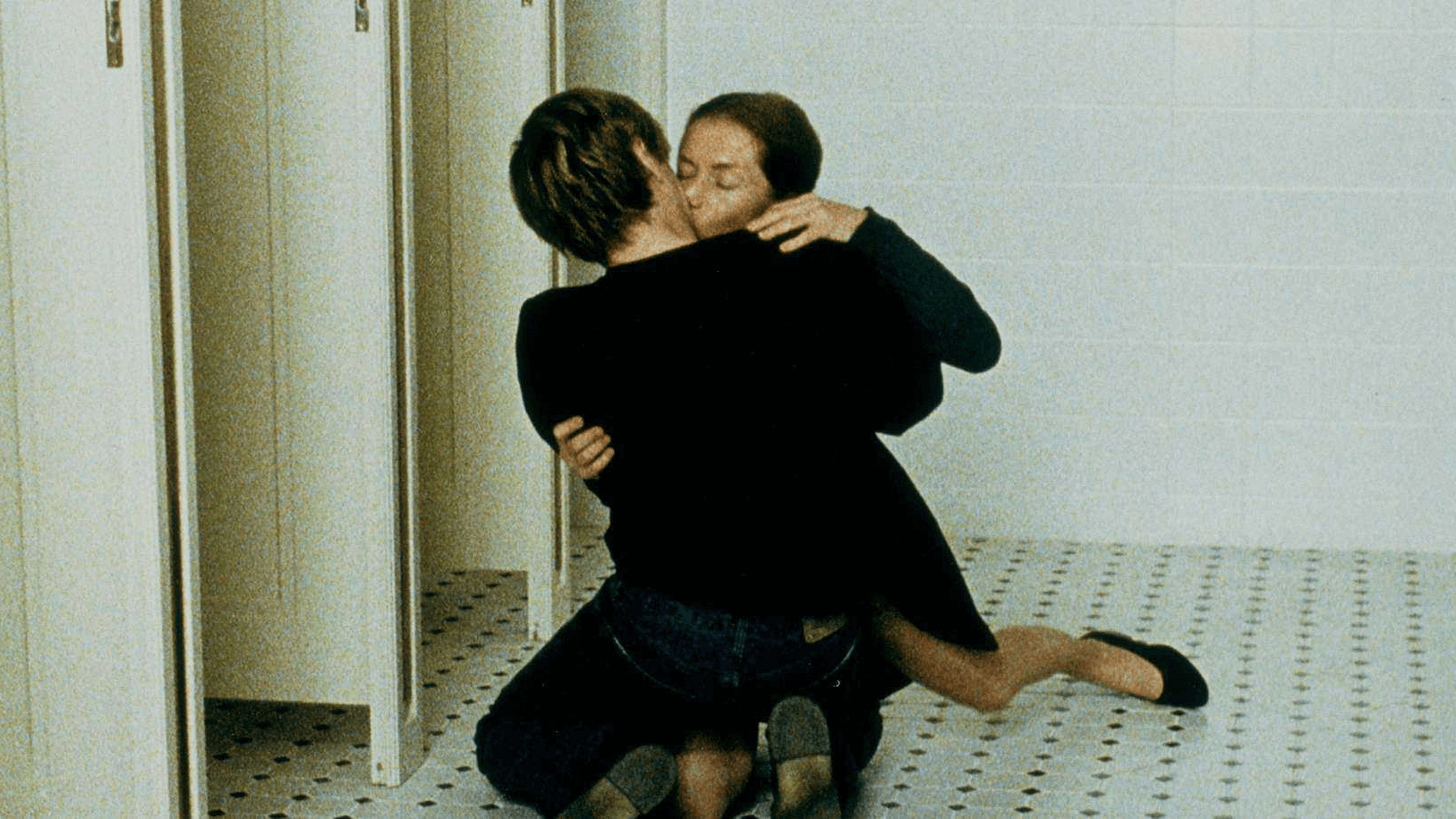
Academy Award–winning Austrian director Michael Haneke shifted his focus from the social to the psychological for this riveting study of female sexuality and the dynamics of control, an adaptation of a controversial 1983 novel by Elfriede Jelinek. Haneke finds his match in Isabelle Huppert, who delivers an icy but quietly seething performance as Erika, a middle-aged piano professor at a Viennese conservatory who lives with her mother, in a claustrophobically codependent relationship. Severely repressed, she satisfies her masochistic urges only voyeuristically until she meets Walter (Benoît Magimel), a young student whose desire for Erika leads to a destructive infatuation that upsets the careful equilibrium of her life. A critical breakthrough for Haneke, THE PIANO TEACHER—which won the Grand Prix as well as dual acting awards for its stars at Cannes—is a formalist masterwork that remains a shocking sensation.

Claire Denis

101 MINUTES

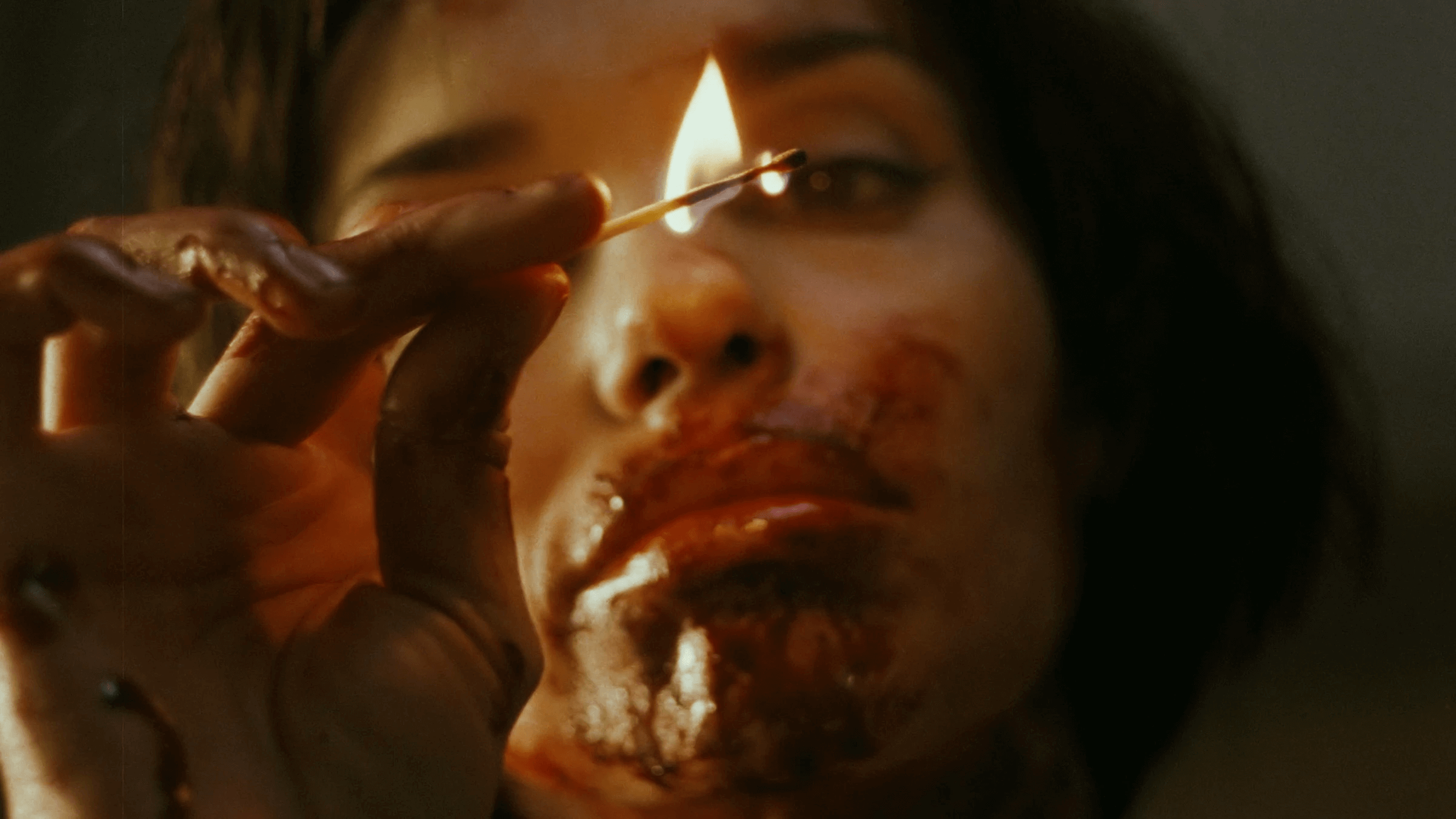
Claire Denis’s poetic take on the body-horror genre is an atmospheric reverie of blood and lust that lays bare the filmmaker’s core artistic concerns around power, desire, and delirium. Newlyweds Shane (a perfectly cast Vincent Gallo) and June (Tricia Vessey) arrive in Paris for their honeymoon. In the process of trying to find a cure for his strange, bloodthirsty disease, Shane stumbles upon the story of a doctor (Alex Descas) and his flesh-eating wife (Béatrice Dalle). Shimmering with haunting beauty—with seductive cinematography by Agnès Godard and an ethereal score by Tindersticks—TROUBLE EVERY DAY is a mesmerizing blend of gore and sensuality that ranks among Denis’s supreme achievements.

Juan López Moctezuma

77 MINUTES

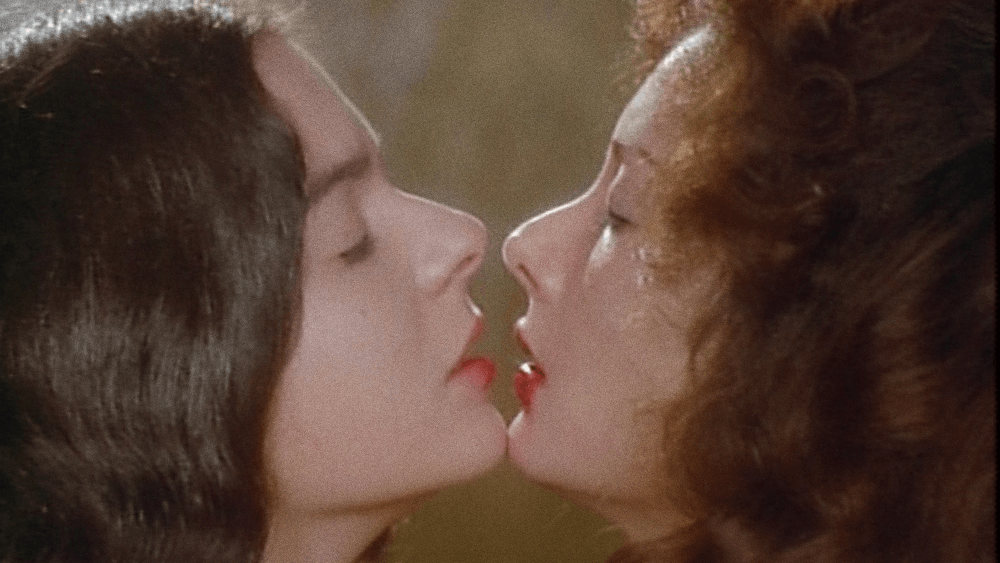
Cultural maverick and iconoclast Juan López Moctezuma went supernova in the scorching ALUCARDA, a sensation that raised eyebrows worldwide despite corrosive criticism and financial failure in Mexico. The love between Alucarda and Justine ignites an unforgettable film saturated with Catholic torture galore, full satanic rituals emulating the works of Goya, explosions of loud hysterical prayer, nuns who look like blood-drenched mummies, vampiric episodes, and alleged demonic possession. This is uncut Mexican nunsploitation of the highest order.

Nagisa Ōshima

105 MINUTES

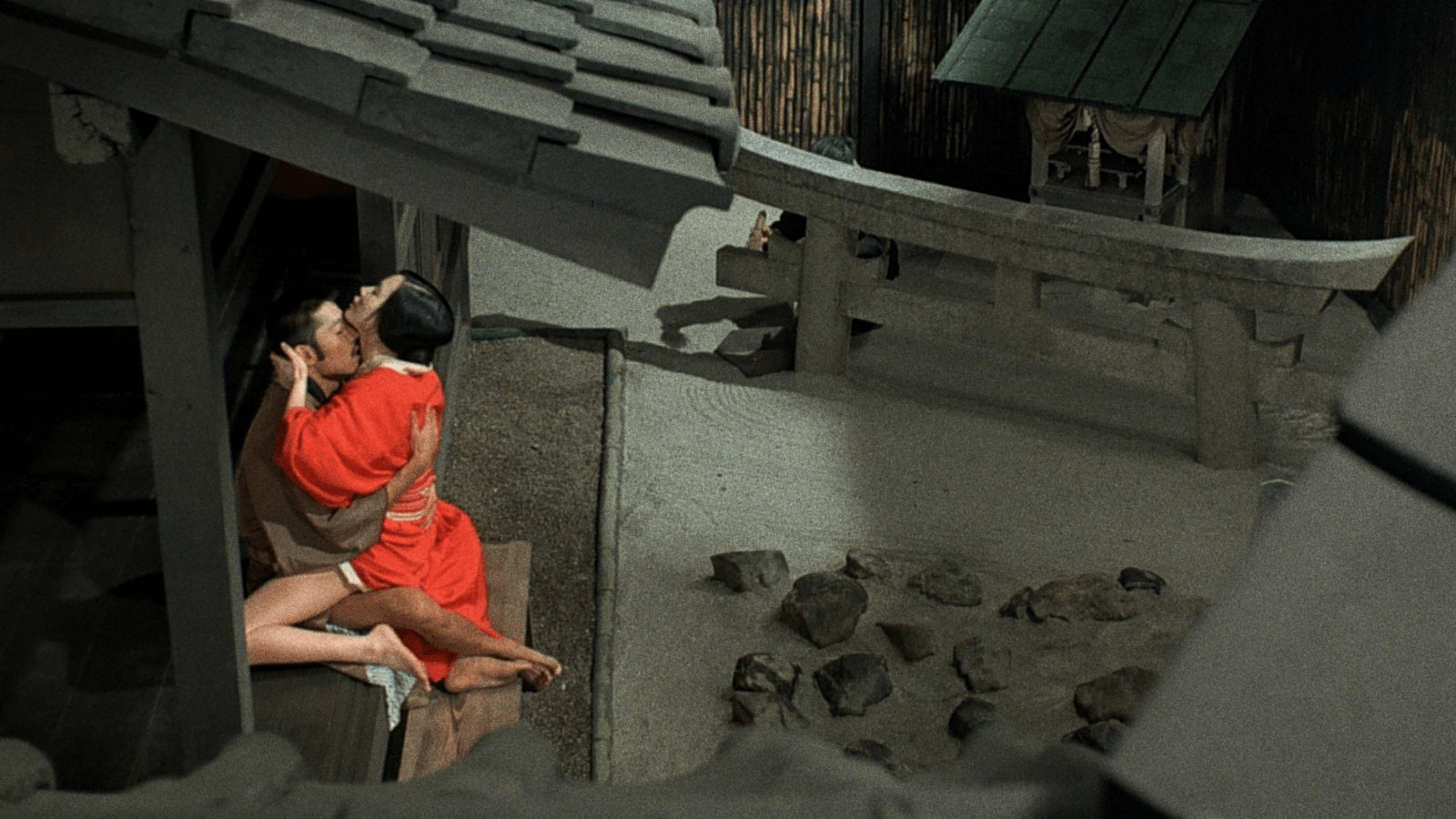
IN THE REALM OF THE SENSES by the always provocative Japanese director Nagisa Ōshima, remains one of the most controversial films of all time. Based on a true incident, it graphically depicts the all-consuming, transcendent—but ultimately destructive—love of a man and a woman (Tatsuya Fuji and Eiko Matsuda) living in an era of ever escalating imperialism and governmental control. Less a work of pornography than of politics, IN THE REALM OF THE SENSES is a brave, taboo-breaking milestone, still censored in its own country.

Giuseppe Patroni Griffi

102 MINUTES

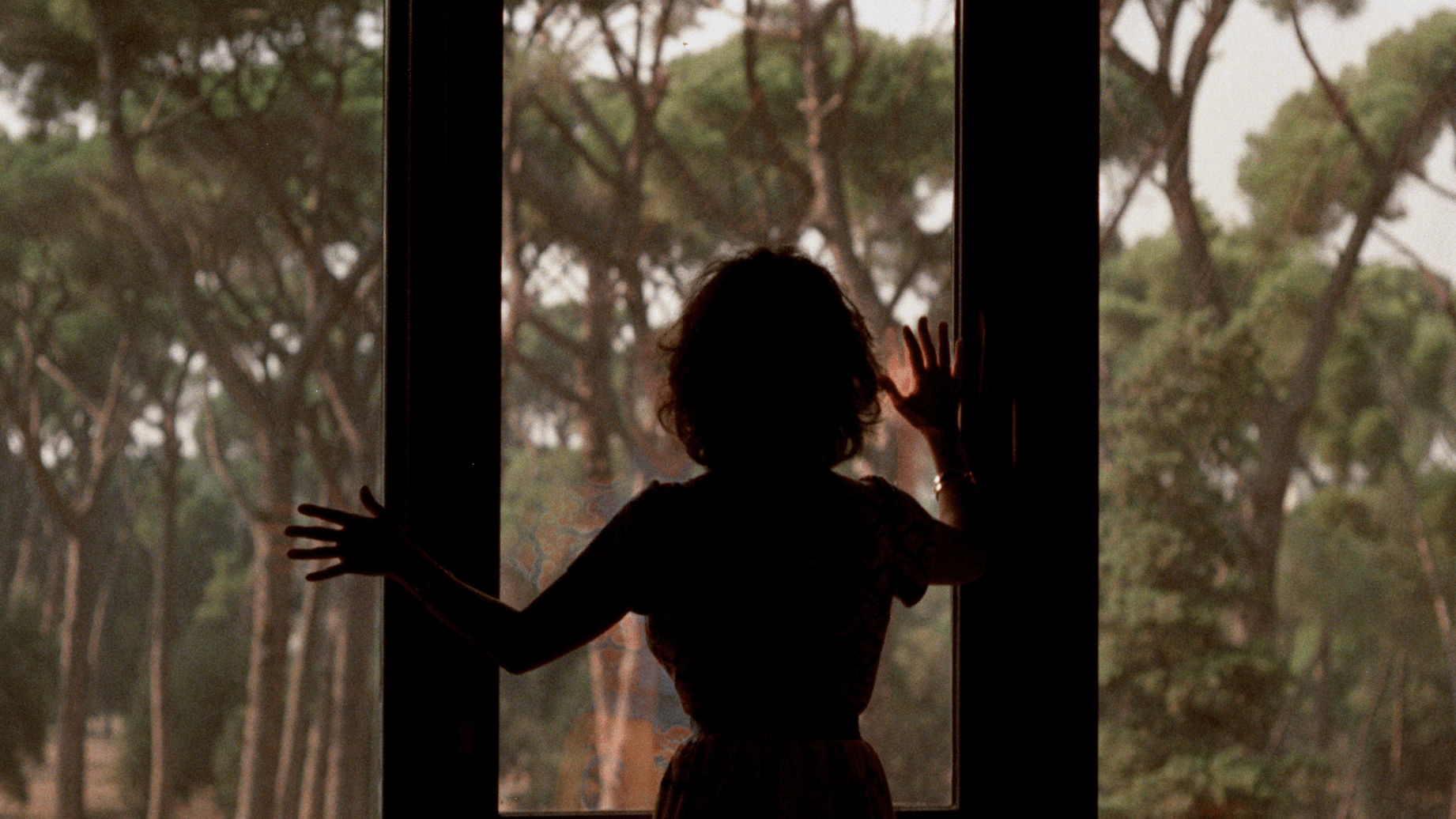
In what remains the most obscure, bizarre, and wildly misunderstood film of her entire career—and perhaps even 1970s Italian cinema—IDENTIKIT (aka THE DRIVER'S SEAT) stars Elizabeth Taylor as a disturbed woman who arrives in Rome to find a fragmented city. From there, Taylor navigates autocratic law, leftist violence, and her own increasingly unhinged mission to find the most dangerous liaison of all. Academy Award nominee Ian Bannen, Mona Washbourne and Andy Warhol co-star in this hallucinatory neo-noir, which was photographed by three-time Oscar winner Vittorio Storaro (APOCALYPSE NOW, THE LAST EMPEROR).

Newly restored in 4K by Cinematheque of Bologna and Severin Films!
Julia Ducournau

108 MINUTES

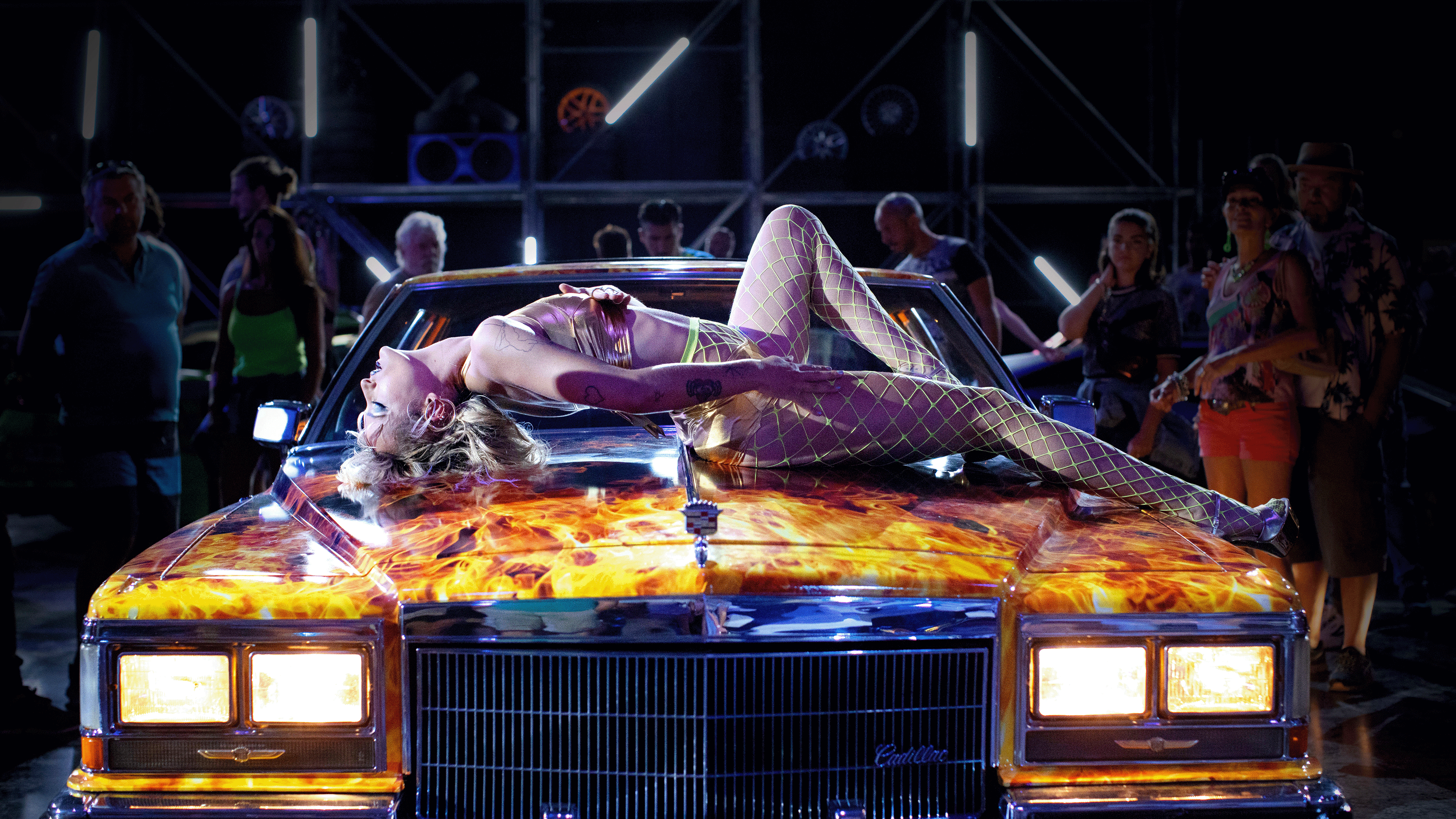
A violent automobile accident has left long-lasting repercussions: a child carries a titanium plate in their skull; a car-showroom model begins to exhibit sexual attraction to her wares; later, an unexpected pregnancy escalates to a horrific massacre; and a firefighter is reunited with a brutally bruised man who claims to be his long-lost son. As these episodes fuse in Julia Ducournau’s remarkable, Palme d’Or–winning follow-up to her memorable debut RAW, a lurid premise emerges—one best discovered without any further expectations beyond the promise of exceptional performances, inspired provocations, and maverick filmmaking.

Those not watching between their fingers will risk cringing, as if right out of their bodies, in abject horror and hypnotic fascination as newcomer Agathe Rousselle embodies a palpable dysphoria that seethes with anguish and rage. Conversely, the ever-soulful Vincent Lindon exudes such empathetic desperation as a father seeking redemption that the film frequently achieves a transcendental sublimity—particularly during its infectious reveries of music and dance.

Fluidly exploring themes of sexuality, gender identity, and parenthood in tandem with Ducournau’s now-signature body-horror sensibilities and gory gallows humour, TITANE is an unflinching foray to the very peaks (and depths) of human extremities. It is a Midnight masterpiece.

Buckle the fuck up.

(Peter Kuplowsky)