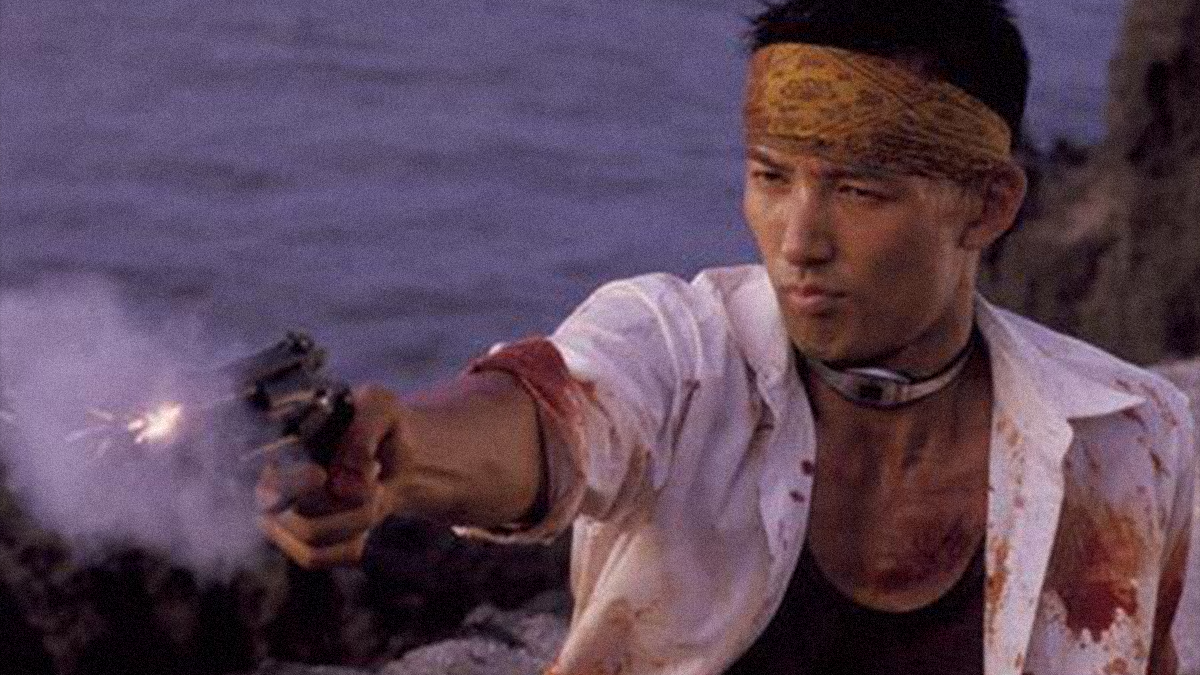
HERE’S YOUR LIST OF FRIENDS IN THE ORDER THEY DIED: TEEN ANARCHY JAPAN
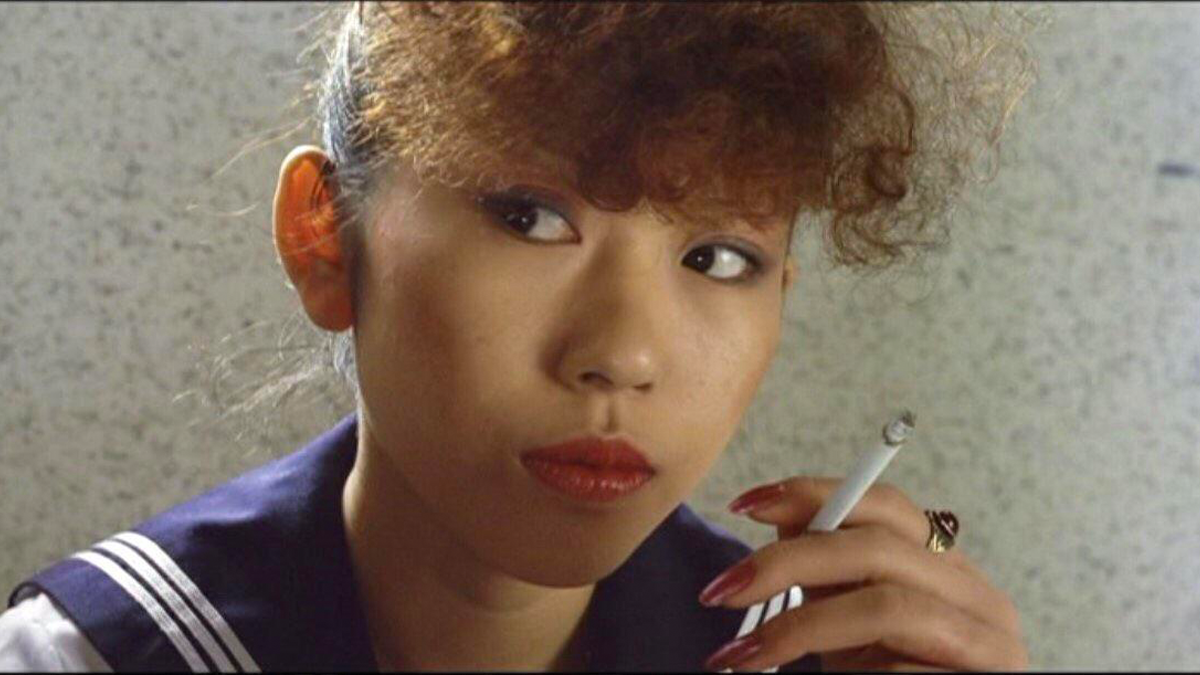
or, The Decline of Eastern Civilization.
Films in this Program
Kō Nakahira
86 minutes
We've got sun, speedboats, jazz records, and nothing at all to believe in. CRAZED FRUIT exploded onto Japanese screens and in one reckless rush helped define the taiyōzoku (“sun tribe”) movement - the mid ‘50s exploration of youth, nihilism & sex that sent older generations into a state of complete moral panic.
Two brothers drift through a seaside summer of parties and pickup romances until a woman fractures the easy rhythm, turning their rivalry into something sharper, uglier and harder to contain. Director Kō Nakahira shoots youth like a contact sport, anticipating the freewheeling invention of the French New Wave while the film’s cool surfaces hide a vicious critique of class, masculinity, and postwar dislocation. A scandal on release, and still electric.
“CRAZED FRUIT takes what could have been a simple exploitation flick about bad teens getting into trouble by the seashore and turns it into a doomed love story fraught with morality. Short, dark, and just a bit cruel, the film uses new wave techniques to fashion a paean to adolescent longing that still manages to resonate almost a half-century later.” - Chris Barsanti, Slant
“Nakahira's sexy time capsule parallels the stateside snowballing of youth culture (James Dean had died less than a year before), but for all of its scandalous transgressions (including boozing, strip poker, gang bangs, and finally, homicide) the movie reflects a deep hurt and despair against a milieu of unrelenting leisure, sun, and affluence. The movie was a New Wave ignition switch, beautifully shot by Shigeyoshi Mine (Seijun Suzuki's DP), scored by Japanese soundtrack pop-king Toru Takemitsu, and written by bestselling novelist Shintaro Ishihara (whose brother Yujiro stars, at the beginning of his Paul Newman–ish career). A forgotten landmark.” - Michael Atkinson, Village Voice
Two brothers drift through a seaside summer of parties and pickup romances until a woman fractures the easy rhythm, turning their rivalry into something sharper, uglier and harder to contain. Director Kō Nakahira shoots youth like a contact sport, anticipating the freewheeling invention of the French New Wave while the film’s cool surfaces hide a vicious critique of class, masculinity, and postwar dislocation. A scandal on release, and still electric.
“CRAZED FRUIT takes what could have been a simple exploitation flick about bad teens getting into trouble by the seashore and turns it into a doomed love story fraught with morality. Short, dark, and just a bit cruel, the film uses new wave techniques to fashion a paean to adolescent longing that still manages to resonate almost a half-century later.” - Chris Barsanti, Slant
“Nakahira's sexy time capsule parallels the stateside snowballing of youth culture (James Dean had died less than a year before), but for all of its scandalous transgressions (including boozing, strip poker, gang bangs, and finally, homicide) the movie reflects a deep hurt and despair against a milieu of unrelenting leisure, sun, and affluence. The movie was a New Wave ignition switch, beautifully shot by Shigeyoshi Mine (Seijun Suzuki's DP), scored by Japanese soundtrack pop-king Toru Takemitsu, and written by bestselling novelist Shintaro Ishihara (whose brother Yujiro stars, at the beginning of his Paul Newman–ish career). A forgotten landmark.” - Michael Atkinson, Village Voice
Nagisa Oshima
103 minutes
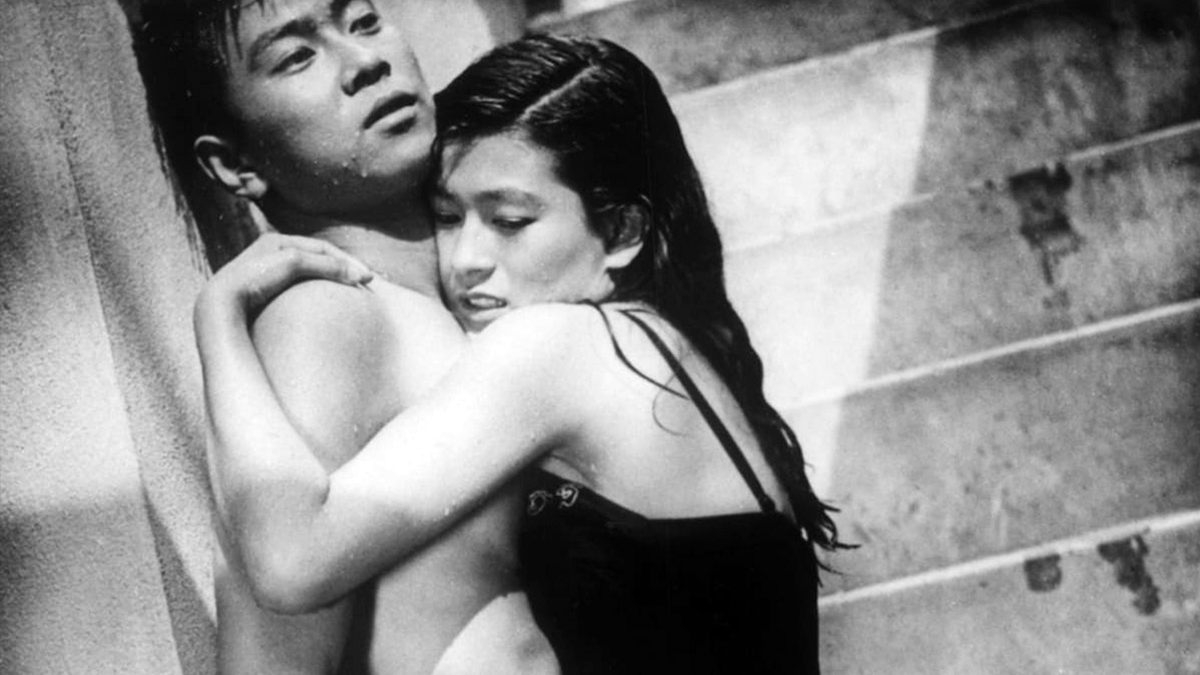
In Nagisa Oshima’s molten artifact of late-’60s revolt, four sexually hungry high school students from a provincial city accompany their teacher to Tokyo to take university entrance exams. The teacher dies and one of the boys may be the culprit.
Oshima, "the Godard of Japan," delivers a radical narrative collage that digs deep into the root of a world of power imbalances: between city and country, young and old, rich and poor, men and women, Japan and Korea. Equal parts campus satire, political fever dream, and psychic autopsy of youth in freefall, SING A SONG OF SEX finds music as the central site to explore a society tearing itself apart.
“A messy film which could be said to contain Oshima’s grand theory of sex, violence, and politics. Fantasies of sexual violence become a stand-in for the violence of war as a whole, the rage of men without direction, and the ultimate silencing act against women and colonized people who would remind Japanese men of the imperial crimes on which the modern nation of Japan is founded. SING A SONG OF SEX is a revelation of the underlying contradiction between the controlled political subject and the violent fantasies within — the possibility that we are engaged with revolutionary politics because, underneath, we desire destruction, both of others and ourselves.” - Caitlin Casiello
Oshima, "the Godard of Japan," delivers a radical narrative collage that digs deep into the root of a world of power imbalances: between city and country, young and old, rich and poor, men and women, Japan and Korea. Equal parts campus satire, political fever dream, and psychic autopsy of youth in freefall, SING A SONG OF SEX finds music as the central site to explore a society tearing itself apart.
“A messy film which could be said to contain Oshima’s grand theory of sex, violence, and politics. Fantasies of sexual violence become a stand-in for the violence of war as a whole, the rage of men without direction, and the ultimate silencing act against women and colonized people who would remind Japanese men of the imperial crimes on which the modern nation of Japan is founded. SING A SONG OF SEX is a revelation of the underlying contradiction between the controlled political subject and the violent fantasies within — the possibility that we are engaged with revolutionary politics because, underneath, we desire destruction, both of others and ourselves.” - Caitlin Casiello
Koreyoshi Kurahara
76 minutes
A jazz-obsessed delinquent and a reckless sex worker are released from juvenile detention and wreak havoc on everyone in their paths, including the newspaper reporter who got them arrested and his bourgeois artist fiancée.
Shot through with the same kind of bebop bravado that was defining a new era of cinema across the world in the '60s, the anarchic descent into amoral madness that is THE WARPED ONES sounded a lost generation’s cry for help and was one of the films that kicked off Japan’s cinematic new wave with a bang.
“More breathless than BREATHLESS but with a real evil streak. Sweat and jazz exploding into the sun. Wanting to die but never dying. Howling demons waging war against life.” - Claire Diane
Shot through with the same kind of bebop bravado that was defining a new era of cinema across the world in the '60s, the anarchic descent into amoral madness that is THE WARPED ONES sounded a lost generation’s cry for help and was one of the films that kicked off Japan’s cinematic new wave with a bang.
“More breathless than BREATHLESS but with a real evil streak. Sweat and jazz exploding into the sun. Wanting to die but never dying. Howling demons waging war against life.” - Claire Diane
Shūji Terayama
137 minutes
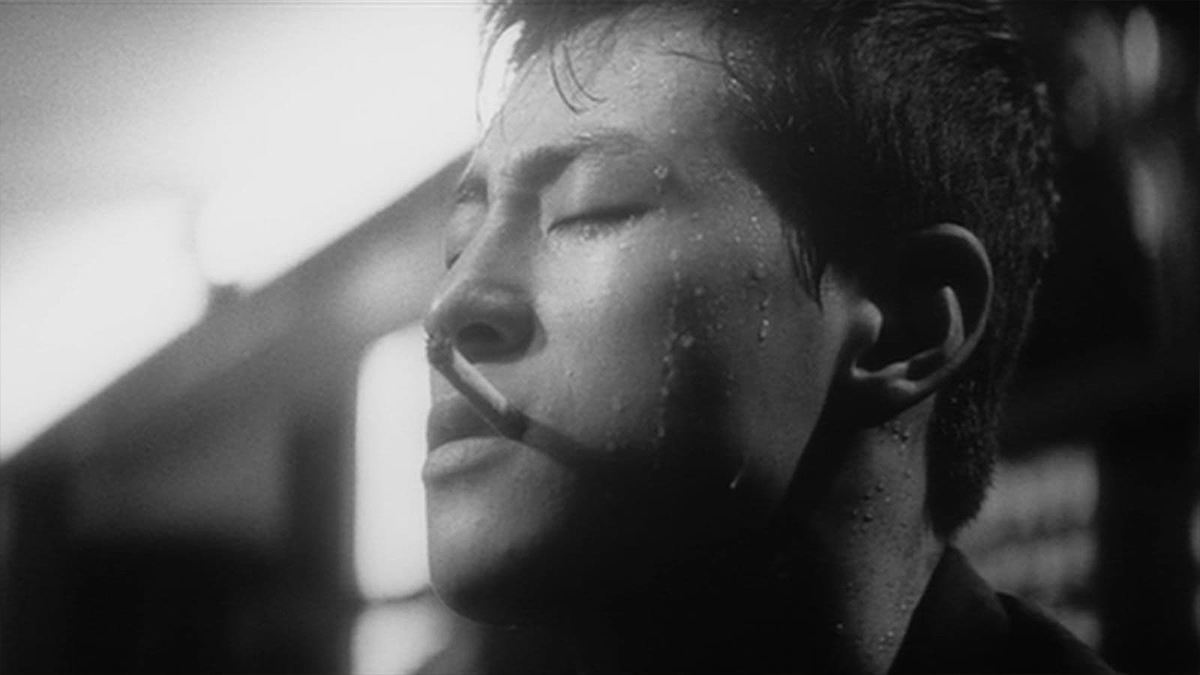
A quasi-episodic synthesis of director Shūji Terayama’s anarchic pop-art shorts and a proto-punk coming-of-age narrative about a disaffected teen’s warped family life, THROW AWAY YOUR BOOKS, RALLY IN THE STREETS offers equal portions of furious provocation and unexpected beauty. It's like Terayama’s Art Theatre Guild forebearer Oshima cranked to eleven, and it's audacious, experimental, juvenile, and thrilling.
The story focuses on a teenager in hopeless search of identity within a highly dysfunctional family and a fractured world which both threaten to devour the boy — demanding everything and not really caring at all. It’s an experimental, psychedelic odyssey through a revolutionary moment in history and a masterpiece of subversive cinema.
“In some of its best moments, it reminds me of something like an unhinged audiovisual progenitor to Iggy Pop’s ‘Turn Blue’ off Lust for Life—discrete scenes soundtracked by psychedelic soul that gradually builds to an epic crescendo while a rhythmic spoken-word monologue reaches a hysterical, primal yowl. If THROW AWAY YOUR BOOKS has a dominant mode, it’s catharsis: ebullient, tortured, hard-wrought, screaming, painful, absurd, and transcendent. As beautiful, heartbreaking, and hilarious as anything I’ve seen in a movie theater this year.” - Jon Dieringer, Screen Slate
The story focuses on a teenager in hopeless search of identity within a highly dysfunctional family and a fractured world which both threaten to devour the boy — demanding everything and not really caring at all. It’s an experimental, psychedelic odyssey through a revolutionary moment in history and a masterpiece of subversive cinema.
“In some of its best moments, it reminds me of something like an unhinged audiovisual progenitor to Iggy Pop’s ‘Turn Blue’ off Lust for Life—discrete scenes soundtracked by psychedelic soul that gradually builds to an epic crescendo while a rhythmic spoken-word monologue reaches a hysterical, primal yowl. If THROW AWAY YOUR BOOKS has a dominant mode, it’s catharsis: ebullient, tortured, hard-wrought, screaming, painful, absurd, and transcendent. As beautiful, heartbreaking, and hilarious as anything I’ve seen in a movie theater this year.” - Jon Dieringer, Screen Slate
Mitsuo Yanagimachi
90 minutes
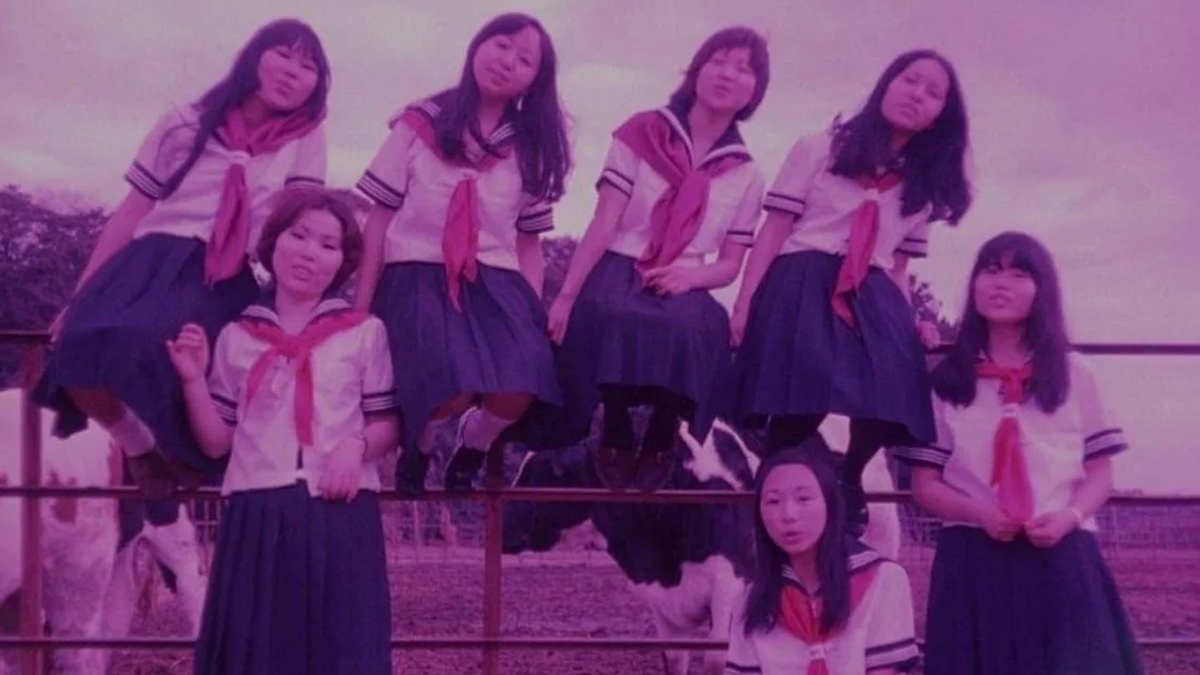
In the 1970s, director Mitsuo Yanagimachi embedded himself directly into the Black Emperors, one of Japan’s biggest, most violent bōsōzoku biker gangs. Filming in grainy 16mm — often at night, mounted onto a speeding motorcycle, using only street lamps and headlights — he creates a visceral sense of total rebellion while exploring the Emperors’ rigid, fascistic organizing structure. It’s a both a raw, unfiltered look into the lives of impoverished, restless youth who find freedom in speed and brotherhood and a portrait of drift where that same freedom is nothing but a series of bad options. Unpolished, confrontational, and eerily quiet between bursts of motion, GOD SPEED YOU! BLACK EMPEROR is a cornerstone of Japan’s post–New Wave hangover where the road goes on and nothing really opens up.
“It all comes down to reality. The heightened Bōsōzoku lives of these rebellious teens is contrasted by their less than enthusiastic reality: their apartments are cramped, their families are struggling, they have no money and no means to live a better life. Their lives are not as glamorous or edgy as their motorbikes and their days are spent filling themselves with cup noodles and unfulfilled dreams. If that feeling hits the viewer a little too close to home, it is because it is where most of us have lived as teenagers trying to navigate the world by ourselves. Yanagimachi does not flinch in keeping it real and that is why the lingering sense of loneliness, aimlessness, and pointless rush sticks with the audience far longer than they like.” - Anushka Roy Choudhury
“Feels so authentic, genuinely punk, it's inspiring even at its lowest moments.” - Lydia Roberts
“It all comes down to reality. The heightened Bōsōzoku lives of these rebellious teens is contrasted by their less than enthusiastic reality: their apartments are cramped, their families are struggling, they have no money and no means to live a better life. Their lives are not as glamorous or edgy as their motorbikes and their days are spent filling themselves with cup noodles and unfulfilled dreams. If that feeling hits the viewer a little too close to home, it is because it is where most of us have lived as teenagers trying to navigate the world by ourselves. Yanagimachi does not flinch in keeping it real and that is why the lingering sense of loneliness, aimlessness, and pointless rush sticks with the audience far longer than they like.” - Anushka Roy Choudhury
“Feels so authentic, genuinely punk, it's inspiring even at its lowest moments.” - Lydia Roberts
Gakuryū Ishii
115 minutes
“THIS IS NOT AN EXPLOSIVE MOVIE…THIS IS A MOVIE EXPLOSION!”
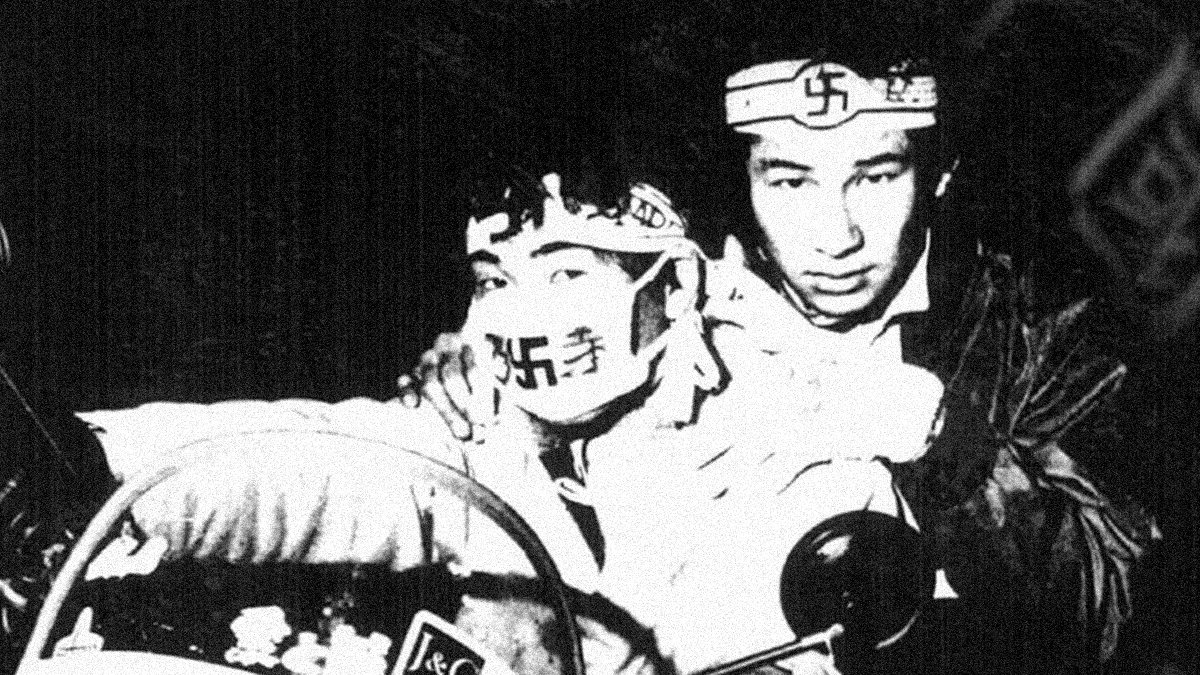
BURST CITY is one of the most daring experimental films of the so-called lost decade of contemporary Japanese cinema. A commercial failure, and still woefully underappreciated in the U.S., Gakuryū Ishii’s fast and loose epic planted its flag in the toxic compost of MAD MAX, RUDE BOY and THE DECLINE OF WESTERN CIVILIZATION, and inspired generations of filmmakers to break free from conservative values and traditional storytelling techniques in favor of a sort of ecstatic propulsion.
The hyperkinetic storyline pits two rival bands and their misfit squatter tribes against battle cops, petty criminals and yakuza thugs who are determined to establish a nuclear power plant within the industrial wasteland of their dark future turf. Or something like that. The real beauty of the film is its snarling, choppy, uncompromising middle finger ethos and swaggering style.
Starring real-life punk legends like The Rockers, The Roosters, and The Stalin, BURST CITY hurtles through gritty 16mm concert footage like a misguided ballistic missile toward a truly cathartic and incendiary climax. (Wyrd War)
BURST CITY is one of the most daring experimental films of the so-called lost decade of contemporary Japanese cinema. A commercial failure, and still woefully underappreciated in the U.S., Gakuryū Ishii’s fast and loose epic planted its flag in the toxic compost of MAD MAX, RUDE BOY and THE DECLINE OF WESTERN CIVILIZATION, and inspired generations of filmmakers to break free from conservative values and traditional storytelling techniques in favor of a sort of ecstatic propulsion.
The hyperkinetic storyline pits two rival bands and their misfit squatter tribes against battle cops, petty criminals and yakuza thugs who are determined to establish a nuclear power plant within the industrial wasteland of their dark future turf. Or something like that. The real beauty of the film is its snarling, choppy, uncompromising middle finger ethos and swaggering style.
Starring real-life punk legends like The Rockers, The Roosters, and The Stalin, BURST CITY hurtles through gritty 16mm concert footage like a misguided ballistic missile toward a truly cathartic and incendiary climax. (Wyrd War)
Chūsei Sone
109 minutes
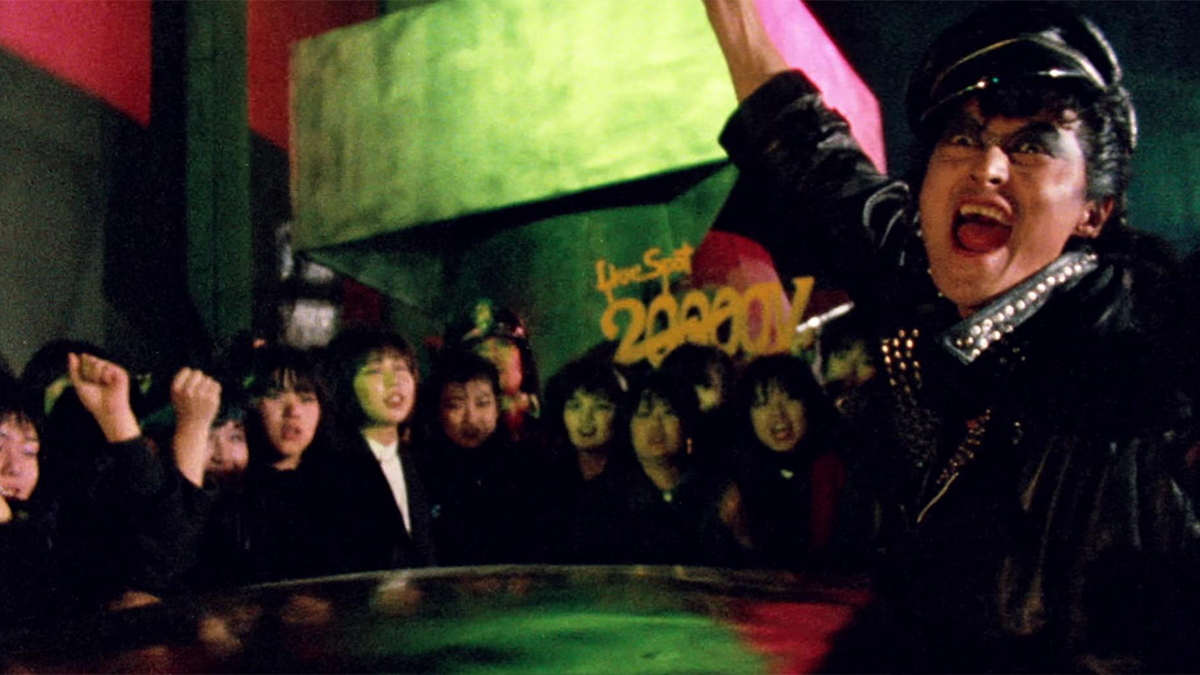
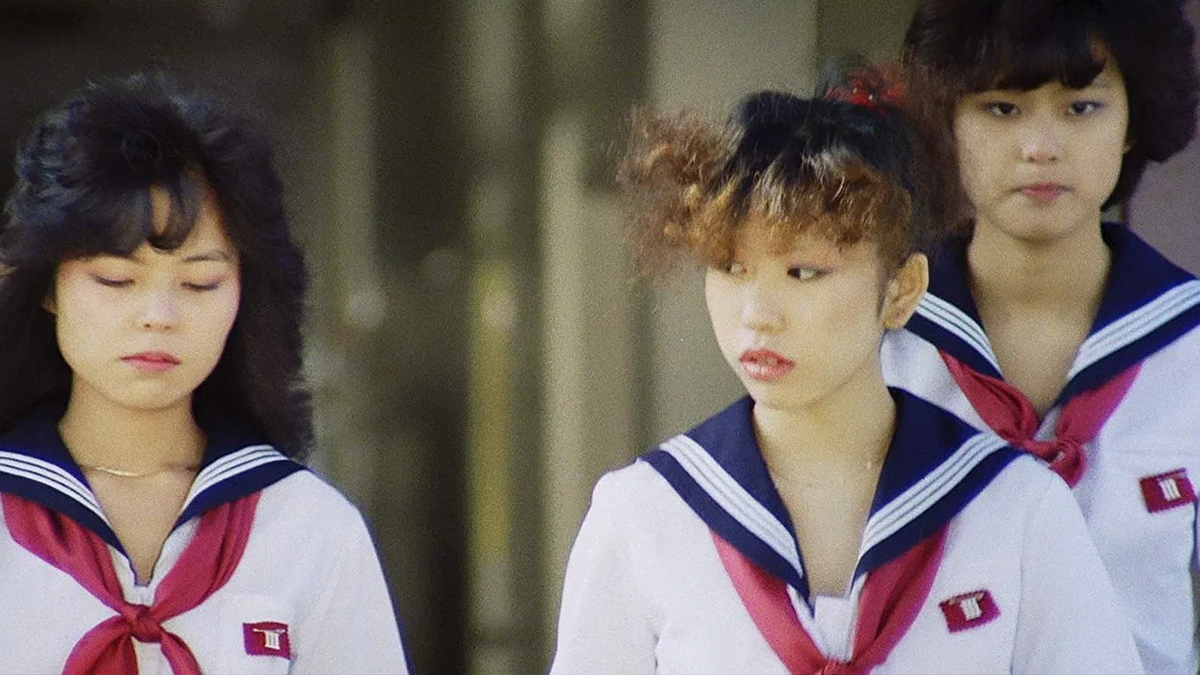
Here come the yankiis! Cinematic evidence suggests that Japan’s rebellious yankii subculture — made up of lower-class high school gangs with a penchant for motorcycles, dyed hair, and custom uniforms — primarily spent its time engaged in reckless driving and sniffing paint thinner on middle-school rooftops. "BLOW THE NIGHT!" LET’S SPEND THE NIGHT TOGETHER, a raw docudrama shot on 16mm and starring actual yankii gang members, is a supreme example of late Shōwa-era delinquency.
The film centers on Namie Takada, who in real life had been expelled from school, moved to Tokyo, and taken a job as a receptionist at director Chūsei Sone’s Film Workers company. There, Sone asked her to write down her life story for adaptation into a film. The result is this tale of teenage anarchy, where classroom rebellion escalates into a school-wide riot as police attempt to lock down the campus. "BLOW THE NIGHT!" feels like one of Reiko Ike or Miki Sugimoto’s over-the-top girl-gang films — TERRIFYING GIRLS’ HIGH SCHOOL: WOMEN’S VIOLENT CLASSROOM or GIRL BOSS REVENGE: SUKEBAN — trapped in the punishing glue fumes of real life.
“A movie about rebellious youth that casts aside conflict theory and conventional narrative structure to give us something more purely slice of life. If, like me, you’re into watching people make self-destructive decisions for two hours straight, this is a perfect film.” - Ina Lheor
The film centers on Namie Takada, who in real life had been expelled from school, moved to Tokyo, and taken a job as a receptionist at director Chūsei Sone’s Film Workers company. There, Sone asked her to write down her life story for adaptation into a film. The result is this tale of teenage anarchy, where classroom rebellion escalates into a school-wide riot as police attempt to lock down the campus. "BLOW THE NIGHT!" feels like one of Reiko Ike or Miki Sugimoto’s over-the-top girl-gang films — TERRIFYING GIRLS’ HIGH SCHOOL: WOMEN’S VIOLENT CLASSROOM or GIRL BOSS REVENGE: SUKEBAN — trapped in the punishing glue fumes of real life.
“A movie about rebellious youth that casts aside conflict theory and conventional narrative structure to give us something more purely slice of life. If, like me, you’re into watching people make self-destructive decisions for two hours straight, this is a perfect film.” - Ina Lheor
Kinji Fukasaku
113 minutes
Before a thousand lesser imitators, there was BATTLE ROYALE.
A class of junior high students is shipped to a remote island, fitted with explosive collars, and told to kill each other until only one remains. Set in a dystopian future where a totalitarian Japanese government is dealing with a massive economic recession and soaring crime – especially amongst hopeless youth – BATTLE ROYALE is a shocking commentary on government’s reactionary violence towards its fear of younger generations.
Legendary director Kinji Fukasaku balances outrageously violent set pieces with moments of genuine pathos as friendly game show host Takeshi Kitano looms as the film’s deadpan overseer. Brutal, satirical, and deeply unsettling, BATTLE ROYALE is a landmark of modern Japanese cinema about coming of age drenched head to toe in the bloody viscera of your best friends.
“not a cell phone in sight, just teenagers living in the moment” - aliyah, letterboxd
A class of junior high students is shipped to a remote island, fitted with explosive collars, and told to kill each other until only one remains. Set in a dystopian future where a totalitarian Japanese government is dealing with a massive economic recession and soaring crime – especially amongst hopeless youth – BATTLE ROYALE is a shocking commentary on government’s reactionary violence towards its fear of younger generations.
Legendary director Kinji Fukasaku balances outrageously violent set pieces with moments of genuine pathos as friendly game show host Takeshi Kitano looms as the film’s deadpan overseer. Brutal, satirical, and deeply unsettling, BATTLE ROYALE is a landmark of modern Japanese cinema about coming of age drenched head to toe in the bloody viscera of your best friends.
“not a cell phone in sight, just teenagers living in the moment” - aliyah, letterboxd