IN THE MIDST OF THE END OF THE WORLD: ANTÓNIO REIS & MARGARIDA CORDEIRO
António Reis and Margarida Cordeiro together created one of the most influential bodies of work in the history of Portuguese cinema. Their films deal with rural communities, rituals and landscapes, blending reality, fiction, ethnography and poetry into a singular survey of the north-eastern Portuguese region of Trás-os-Montes.
Reis and Cordeiro developed their cinematic vision alongside their regular jobs: Cordeiro as a psychiatrist, Reis as a poet, art critic and film lecturer. Their broad set of interests allowed them to craft a catalogue of work best understood through instruments often regarded as alien to the art of cinema: sociology, music, painting, anthropology, physics, even architecture.
The duo’s work acknowledges the intimate connections between the elements and human life, drawing parallels between soil erosion and the destruction of plant species with the disappearance of regional populations. The pair initially intended to document and record different aspects of the rural Trás-os-Montes region, but their films’ originality ultimately lies in their radical transfiguration of reality – their use of different arts and disciplines, bringing together ancient folktales and scientific treatises.
Made during years of political turmoil and rapid sociocultural change, Reis and Cordeiro’s films now function as living archives. By observing rural communities, studying their history and acknowledging both their dignity and their singularity, Reis and Cordeiro developed a uniquely non-naturalistic way of depicting the world around them.
Films in this Program
António Reis
Margarida Cordeiro
111 minutes
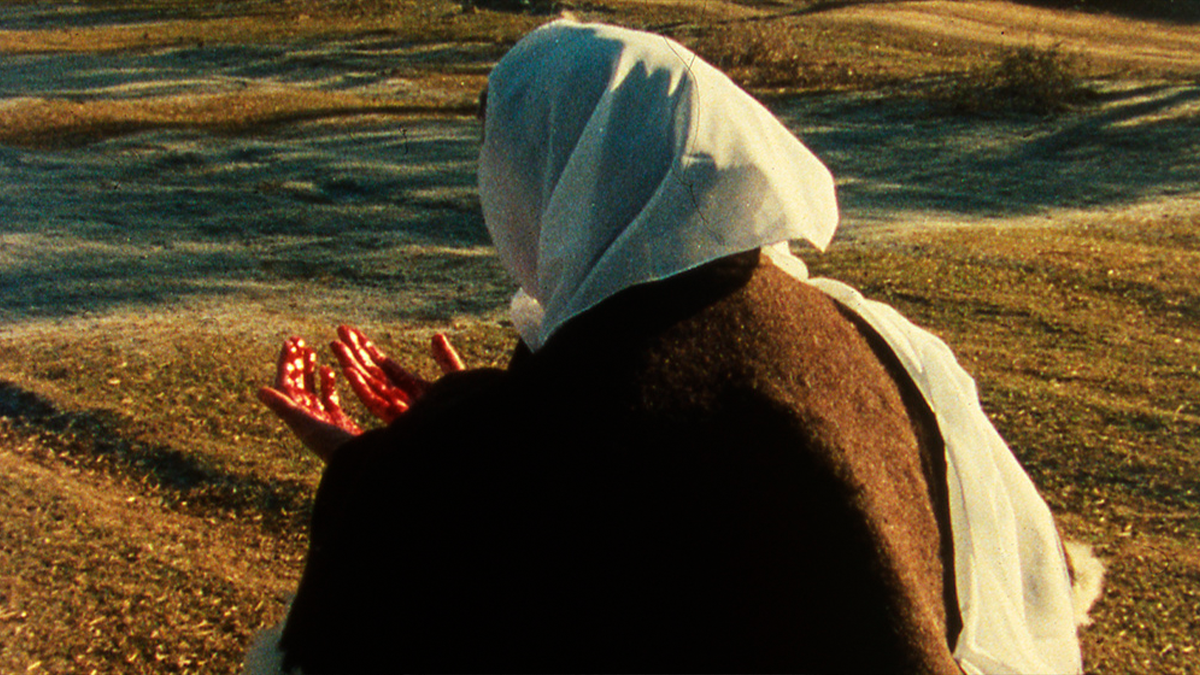
"A film of long shadows and smoke in twilight, TRÁS-OS-MONTES is an intensive labor of recollection, an epic of a land and a way of life on the edge of oblivion. As an act of solidarity with a people facing extinction, TRÁS-OS-MONTES echoes through time." - Edward McCarry
António Reis
Margarida Cordeiro
115 minutes
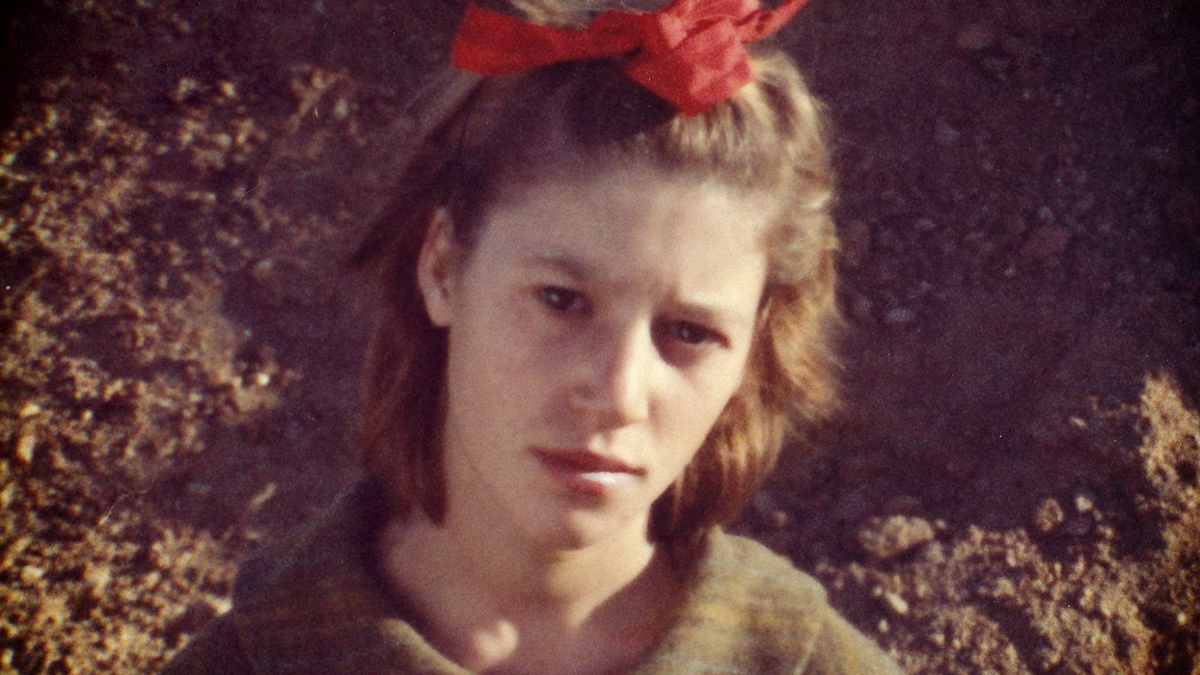
“A flash-back of five thousand years. This is how Joris Ivens describes the scene in ANA where an ethnologist relates the ancient customs of Trás-os-Montes with those of ancient Mesopotamia. It’s about an internal look at a land whose inhabitants are geological deposits and in whose landscapes, filmed as if they were cities, there doesn’t appear to be anything anonymous: each tree, each track, each stone could have its own name. Chant to a land, two women, a name, a language; precise dreams and transposed nightmares during the day.” - CCCB
António Reis
Margarida Cordeiro
87 minutes
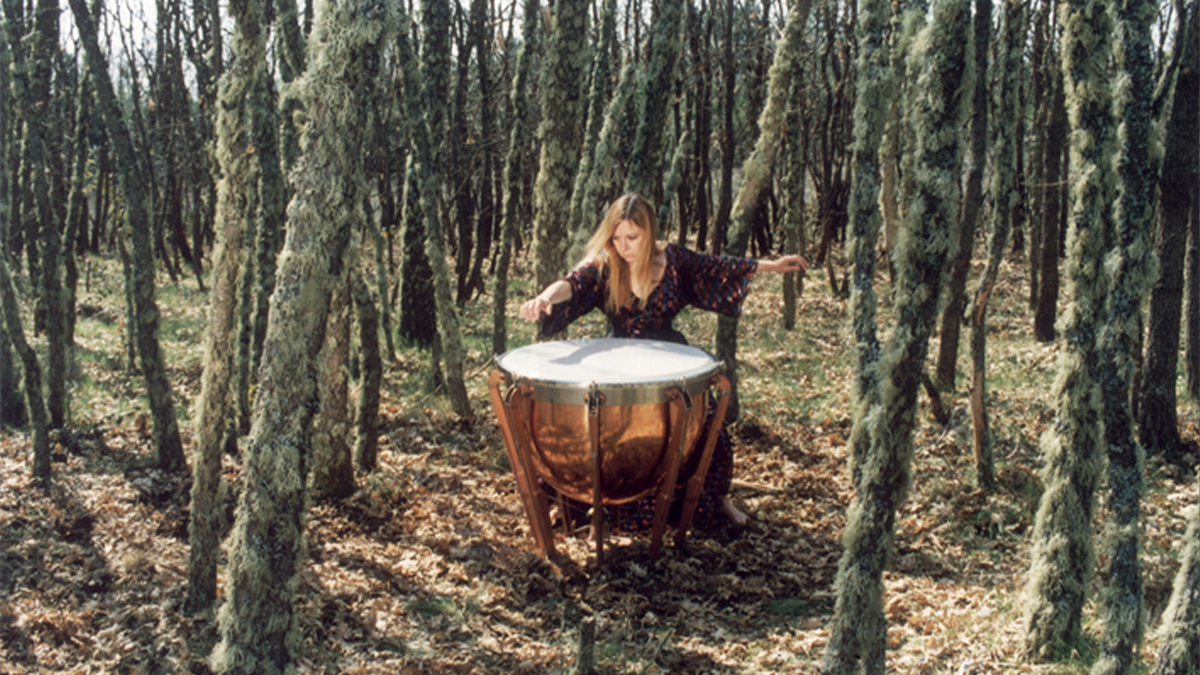
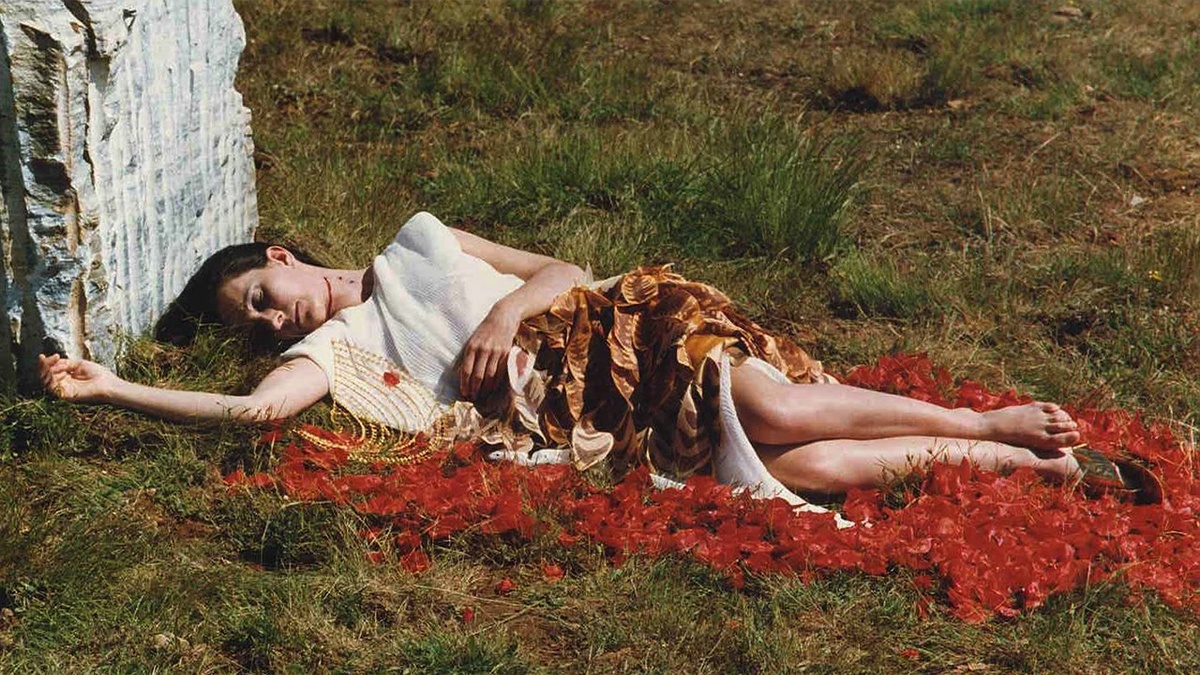
In Reis’s words: “A film made of matter. Matter in constant evolvement. Natural wind becomes tuba wind, actresses’ dresses act side by side with clouds, three-dimensions are defeated by two-dimensions, sequence shots are put to rest by still shots, music is silence and colour is modulated, the purest of lights becomes a floating and diffuse one. ROSA DE AREIA is but a torrent: it disappears in a slow rotation, a slow translation, moved by the rebellious energy of cinematographic forms.”
“A work of sensuous abstraction performed in the open air of Trás-os-Montes, as elusive and exquisite as the ‘desert rose’ of its title.” - Edward McCarry