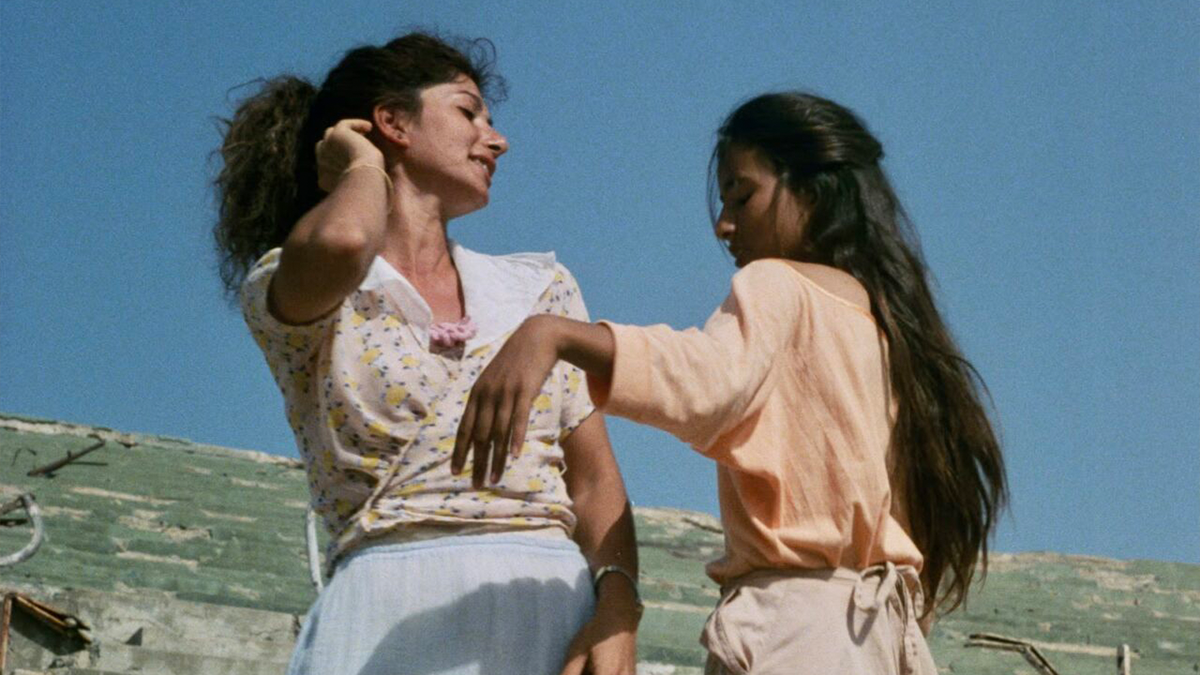
ONCE UPON A TIME IN BEIRUT: THE CINEMA OF JOCELYNE SAAB
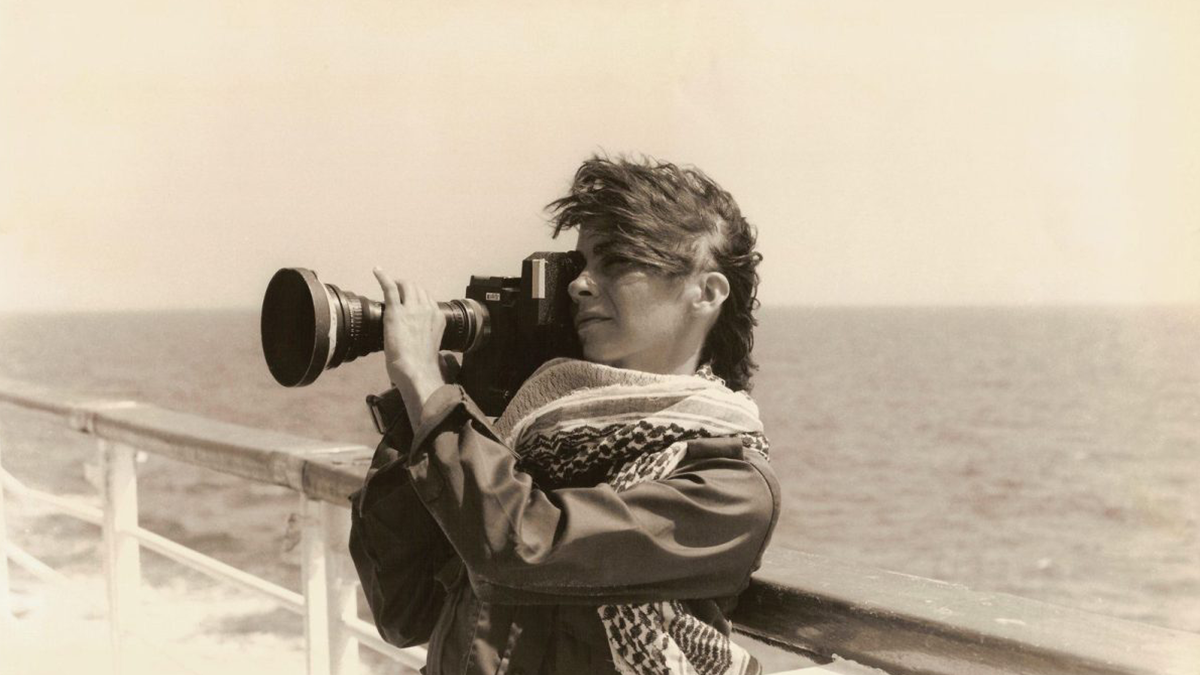
Lyrical and uncompromising, the films of Jocelyne Saab (1948-2019) are at once landmark works of Lebanese cinema and masterpieces of the essay film form. The poetic voiceovers of her movies recall Chris Marker, and her fragmented, diaristic images are reminiscent of Jonas Mekas. But Saab’s poetic vision, and her intimate interactions with the displaced, the exiled, and the voiceless, mark her films as uniquely her own. Trained as a radio and television journalist, Saab turned her attention to nonfiction films in the wake of the Lebanese Civil War. Her epic, impressionistic series of films about Beirut that followed capture a city at once wounded, mournful, and bristling with life and energy, chronicling an era during which “a kind of bitter poetry has replaced the carelessness of the past.”
“Saab’s films raise cinema to the fullness of its responsibilities.” - Nicole Brenez
Films in this Program
Jocelyne Saab
118 minutes
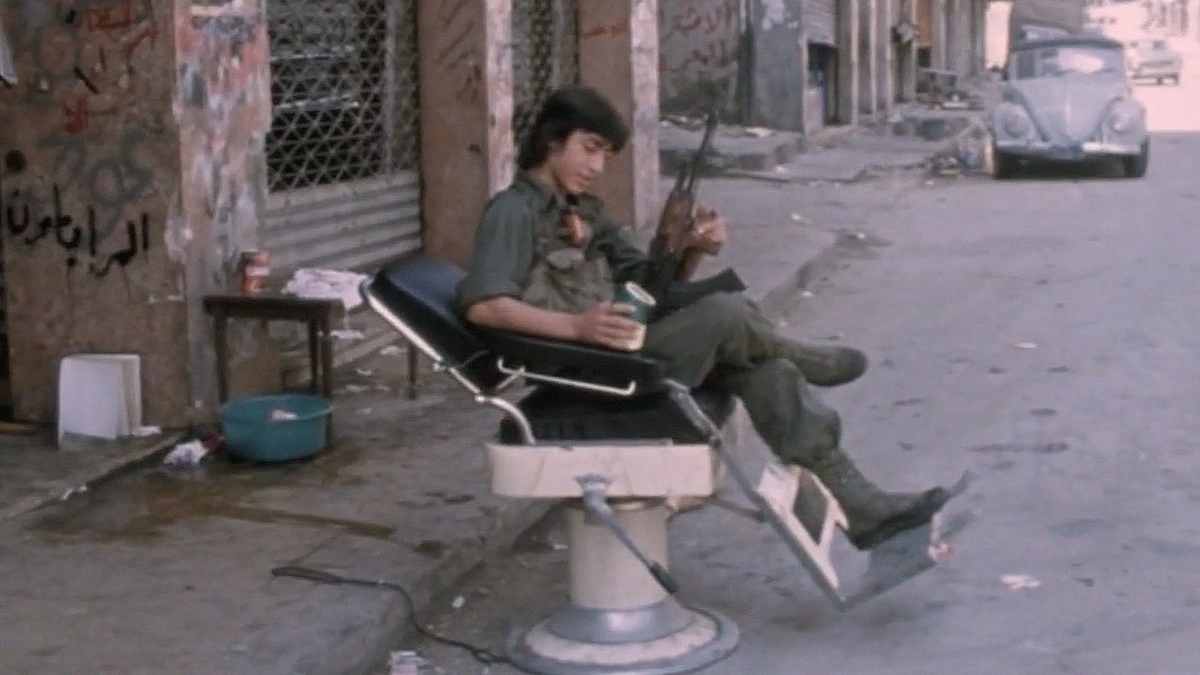
Photo-journalist and documentarian Jocelyne Saab grew up in Beirut and spent fifteen years covering the Lebanese war. The three films that would become known as THE BEIRUT TRILOGY are among the nearly 30 films she made during that time; they weave together documentary images and poetic essay to process how the war has changed the city she knew and her connections to it. Heartbreaking and quietly hopeful, Saab trains her camera on the people of Beirut as they persist with daily life amid the rubble.
BEIRUT, NEVER AGAIN (1976, 35 mins)
Lebanese writer and painter Etel Adnan provides poetic voiceover as the filmmaker follows the daily destruction of the city. Every morning between 6 and 10am, she roams around Beirut while the militias from both sides rest from their night of fighting.
LETTER FROM BEIRUT (1978, 48 mins)
Three years after the beginning of the Civil War the filmmaker returns to her city which has irrevocably changed. An epistolary film in which Saab wanders the streets, rides the bus, chats with refugees and reflects on the war's toll.
BEIRUT MY CITY (1982, 35 mins)
In July 1982 the Israeli army laid siege to Beirut. Four years earlier Jocelyne Saab saw her 150-year-old childhood home go up in flames. She asked herself: when did all this begin? Every place becomes a historical site and every name a memory. Considered by Saab herself to be her most important film.
Jocelyne Saab
103 minutes
Jocelyne Saab’s THE RAZOR’S EDGE is one of the documentary filmmaker’s few narrative features. It tells the story of 15-year-old Samar, a refugee in Beirut, who roams its streets surrounded but unfazed by the reality of war. Defiantly carrying dreams of love and freedom, her curiosity and imagination stand in contrast with the city’s ruins, fighters and children playing at soldiers. By chance or prescience, she meets Karim, an older man painting in a grand pink house, and forms an unusual but tender connection that threatens to fall apart with this fraught world.
Filmed during Lebanon’s long civil war, THE RAZOR’S EDGE deftly weaves stark documentary footage with lush imagery in a meditation on memory and place. Taking bold leaps into the poetic and theatrical, it asks what is left for art and desire to do in absurd and horrific times.
“Saab’s filmmaking was tender and personal, approaching montage as a kind of architecture as her camera’s eye sought to rebuild from memory the country she left behind. While her focus was on Lebanon, her eye expanded to encompass historical moments from around the Middle East, offering an anti-imperialist gaze on Palestine, Iran and Algeria. Watching THE RAZOR’S EDGE, it’s difficult to imagine that it was almost lost to time. Masterful and singular, it’s a film of rare sensitivity and grace. The restoration has tremendous warmth and detail, and does justice to Saab’s incredible gaze.” - Justine Smith