THE MARKET HAS A MIND AND IT’S DREAMING OF YOU: SEX, VIOLENCE & CORPORATE CYBER PARANOIA
a culture of fragmentary sensations, eclectic nostalgia, disposable simulacra, and promiscuous superficiality, in which qualities of depth, coherence, meaning, originality, and authenticity are evacuated or dissolved amid the random swirl of empty signals. reality is empty now. fetishized money is expressive of a pure and simple absence, so it becomes speculative, exponential, itself doomed to crashes and sudden wild swings. sexuality strives outwards and overflows the adjoining domains because it cannot find satisfaction in itself, because it never attains its goal. violence becomes the only real, palpable surface. the desert of cities is equal to the desert of sand. the jungle of signs is equal to that of the forests. the vertigo of simulation is equal to that of nature. only the vertiginous seduction of a dying system remains, in which work buries work, in which value buries value, leaving a virgin, sacred space without pathways where only the wind watches over the sand. and they are always watching you, even in your dreams
Films in this Program
Michael Mann
133 minutes
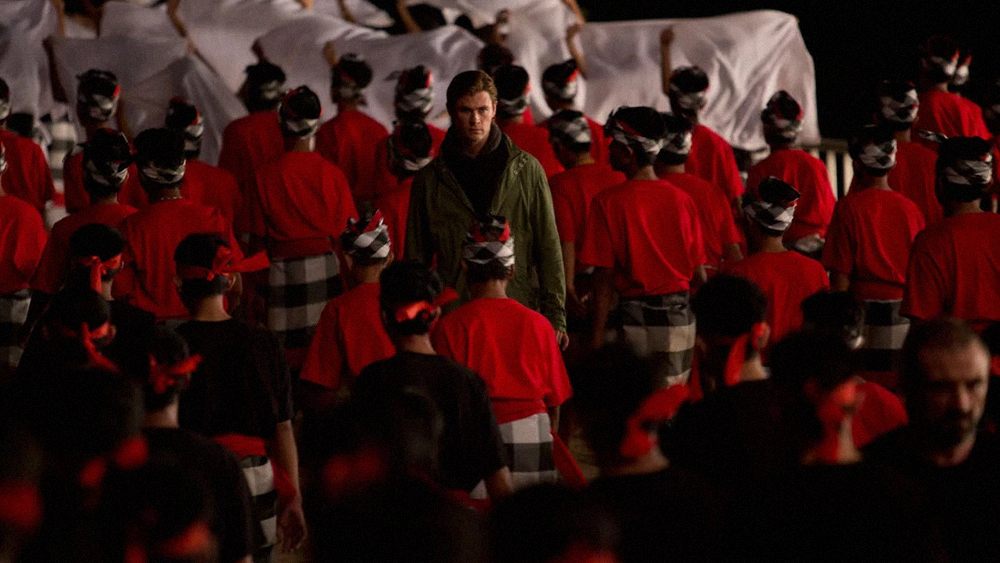
One of the most underappreciated films of the 2010s, BLACKHAT stars Chris Hemsworth stars an imprisoned anti-establishment hacker who the Feds put back on the streets to assist them in tracking down a mysterious and nefarious cybercriminal. It’s a film rich with the textures of both the online ether and the flesh-and-blood world, with burnt-out public guardians hopelessly hunting enemies who could be coming from anywhere and the dangers of terrorism equated with the voracious machinations of financial string pullers.
Verging further and further into the hazy nocturnal netherworld familiar from previous Mann movies, it attains a dreamlike languor as the basic landscape of ones and zeroes, good guys and bad, steadily gives way to an atmosphere of layered ambiguity—anonymous digital matter transformed into something achingly fragile, fleeting, and human.
“One could say that this is the most adventurous film made in Hollywood since HEAVEN'S GATE, but what is that compared to calling it Mann's best movie? It's both a culmination and expansion of hundreds of ideas Mann has toyed with since THIEF. But there's something new here: this is a movie about collectives, not individuals, and the most beautiful thing about this movie is watching these characters learn to respect, trust and love each other.” - Neil Bahadur
Olivier Assayas
115 minutes
Nielsen plays Diane de Monx, a Volf Corporation executive turned spy for rival Mangatronics in the companies’ battle over the lucrative market of online hentai. But Diane may not be the only player at Volf with a hidden agenda: both romantic interest Hervé (Charles Berling) and office enemy Elise (Chloë Sevigny) seem to know her secret and can easily use it against her for their own purposes. As the stakes grow higher and Diane ventures into deadlier territory, Assayas explores the connections between multinational businesses and extreme underground media as well as the many ways twenty-first-century reality increasingly resembles violent, disorienting fiction.
“At once illness and antidote, wound and knife, chilling and fascinating—in short, demonic and loving—DEMONLOVER is a beautiful and disturbing contemporary filmic object, concentrating within itself all of Assayas's obsessions.” - Serge Kaganski
“Then-present-tense cyberpunk, DEMONLOVER is forever frozen upon the cusp of a lost futurism already lapsing into a decadent kitsch. The flows and tentacles of capital, all periphery and no center, shells within shells, without flags or loyalties. A Venn Diagram of exploitation with too many circles, relationships impossible to plot. 9/11 rendered this frictionless world of jet lag and instantaneous document transfer as unreachable as the Austro-Hungarian Empire after World War One. The brief glimpse of Bush II on hotel tv is shocking enough, but he is talking about energy companies, not yet a 'war-time president', but the spectre of the torture dungeon lurks here too: before it was policy, it was just business.” - Nathaxnne Walker
Scooter McCrae
80 minutes
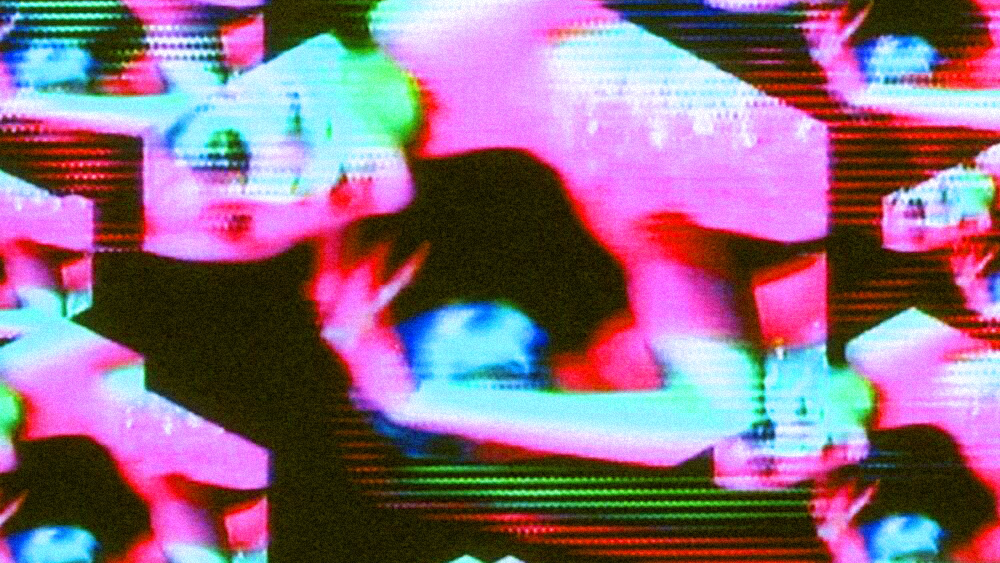
The sophomore feature from innovative and visionary New York based video auteur Scooter McCrae SIXTEEN TONGUES is a transgressive, dystopian chamber piece that fuses cyberpunk imagery, psychosexual malaise, and austere surrealist delirium.
“Absolute freak shit here. Take Cronenberg and ratchet up the depravity tenfold. An aggressive, pornographic descent toward the agonizing limits of this life in flesh. Incredible feat to build a futuristic atmosphere with just two rooms and a hallway.” - Greg Holly
“The SOV sensibilities and rubber penis props are gonna be a turnoff to all the people who should be writing papers about this citing Fredric Jameson.” - Michael Deforge

Abel Ferrara
93 minutes
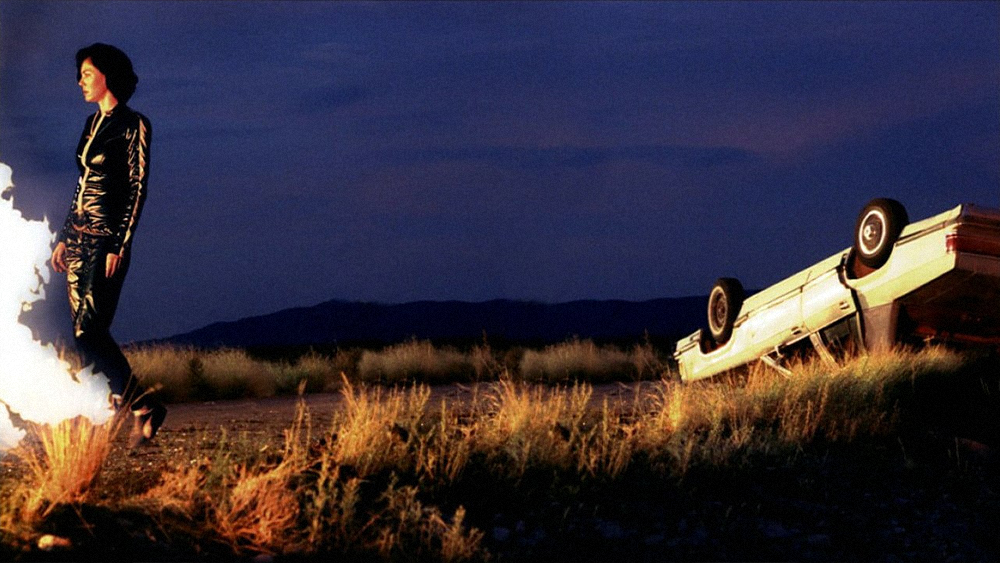
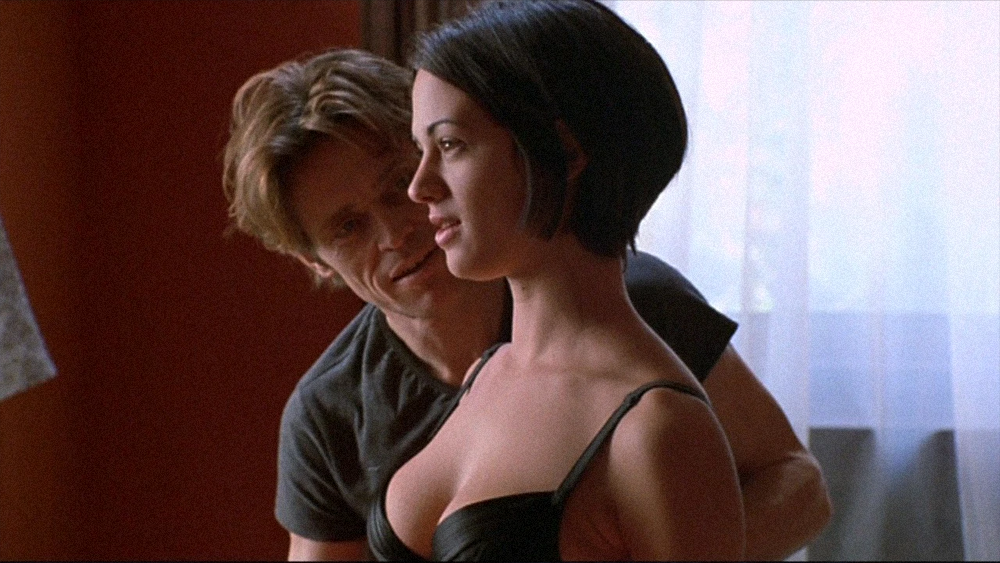
A scrupulous adaptation of the short story by the cyberpunk pioneer William Gibson, Ferrara envisions futuristic industrial espionage the best way he knows how—with a heavy dose of lo-fi sleaze, sex and delirium. The story follows Fox (Christopher Walken) and partner-in-crime X (Willem Dafoe), two extraction specialists hired by a rival company to lure supergenius Hiroshi (artist Yoshitaka Amano) away from his current employer. Fox enlists slinky Shinjuku call-girl Sandii (Asia Argento) to set a honey trap sticky enough to draw Hiroshi away from his wife and kids. But soon unexpected passions throw the whole plan into meltdown.
“Ferrara's nightmare of the future is a world where love is literally dead, and capitalism dominates not just physical but mental structures. For me, it's certainly the greatest film of the '90s.” - Neil Bahadur
“A movie made against a world it abhors. It’s a movie very much concerned with the idea of consumption and spectatorship and one predicated on how lived experience and imagined performance go together in a contemporary world based on customer satisfaction. It is in some ways the greatest movie of the 21st century, it just so happened that Ferrara was putting it together a little ahead of schedule in 1998.” - Felipe Furtado
David Cronenberg
109 minutes
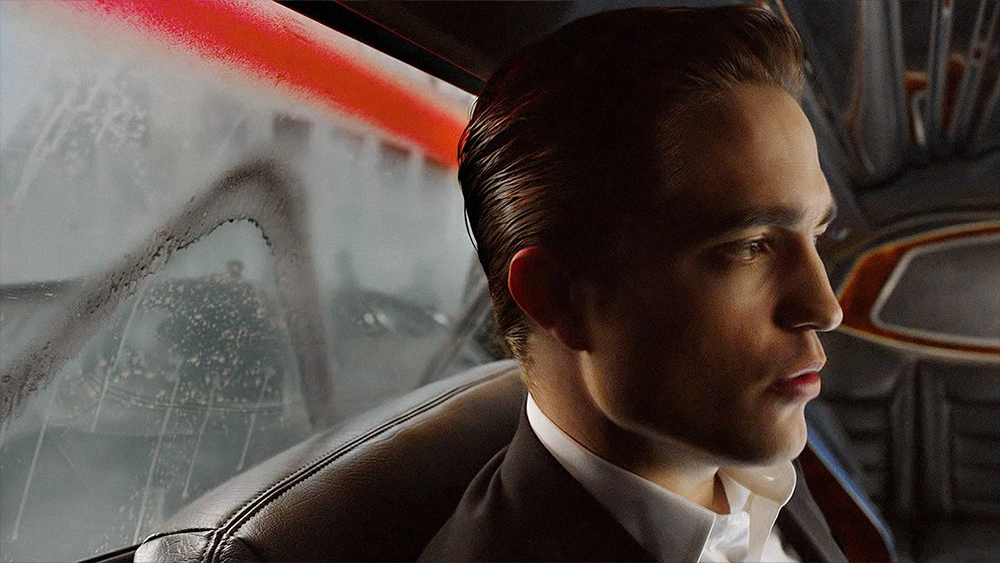
For the first two decades of his career David Cronenberg was an aerodynamic funnel for an iconoclastic spin on gender, sexuality, media and economic theory and the ways they horrifically manifest themselves through human bodies. With COSMOPOLIS, he leaves bodies behind and plunges ahead into the realm of total dematerialisation.
“Diamond-hard and dazzlingly brilliant, David Cronenberg’s COSMOPOLIS plays like a deeply perverse, darkly comic successor to VIDEODROME. Where the earlier film pioneered disturbingly anatomical ways to interface with the televisual, COSMOPOLIS delivers an excursion into the immersive ubiquity of the virtual, basking in the refulgent glow of cyber-capital.” - Budd Wilkins
“Cronenberg presents talk (great reams of the stuff) as a kind of mutual infection between emotionally incomplete monsters, trying and failing to shape the world in their image. After spending years making prestige and genre films, Cronenberg returned to the crystal waters of the wired mind-benders from his early years and found he could still swim beautifully.” - Scout Tafoya
Shu Lea Cheang
80 minutes
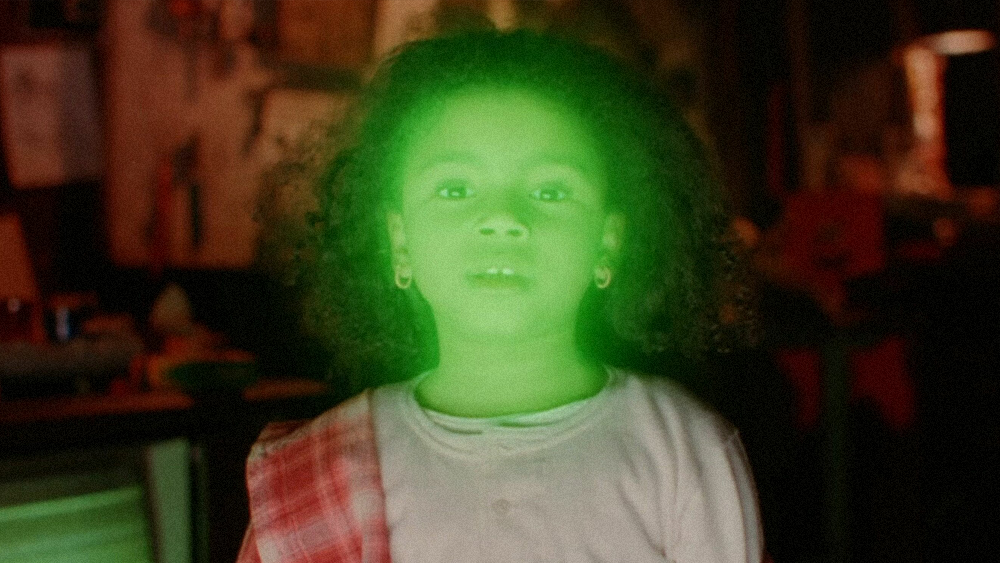
Shu Lea Cheang’s visionary directorial debut is a lethal comedy swimming through a torrent of toxic multinational treachery. FRESH KILL tells the story of a young lesbian couple whose child suddenly vanishes after having accidentally been fed contaminated fish. They find the multinational corporation responsible for a global exchange of industrial waste via contaminated sushi and set about exposing it using the tactics of cyber-crime. A neon-green love letter to hacktivism, FRESH KILL conjures a trippy, extra-literary dimension, where Jorge Luis Borges’ search for his “Dreamtiger” intersects with lesbian-erotic flights into cyberspace.
“How do you live at the end of the world? What does living look like juggling multiple traumas, loss, systemic injustice, insurmountable grief, and the never-ending possibility, if not hope, for love? Artist-filmmaker Shu Lea Cheang’s FRESH KILL addressed many of these questions thirty years ago with the answer: chaotically. The nonsensical nature of the film mirrors the nonsensical reality drafted by capitalism. Rather than try to rationalize the system we live in, FRESH KILL meets its absurdity with glitches, formal and conceptual interruptions in the film and by extension the world as we know it. Cheang’s film is here to hack the communication system and tell you what it means to live.” - Ayanna Dozier