TIME AS A SYMPTOM
What happens after all the time is spent?
Rather than spending time like it’s some debased currency, The Beacon Cinema invites you to hold the heavy body of time in your arms, look deep into her eyes and find meaning again.
Let’s get one thing out of the way; slow cinema is not a genre or movement. It’s a style, a mode, a pace that is not limited to a period or place. Experiencing time is a symptom of cinema’s very essence. Some filmmakers embrace this and let time fill the screen—that’s all slow cinema is. Slowness is a collaborative process put forward by the artist and ultimately achieved in the spectator who fully tastes the stillness of time.
TIME AS A SYMPTOM: SLOW CINEMA AND ITS REVERBERATIONS is an ongoing monthly film series that offers the hurried masses an opportunity to perceive what time really feels like again.
3/29 - SÁTÁNTANGÓ
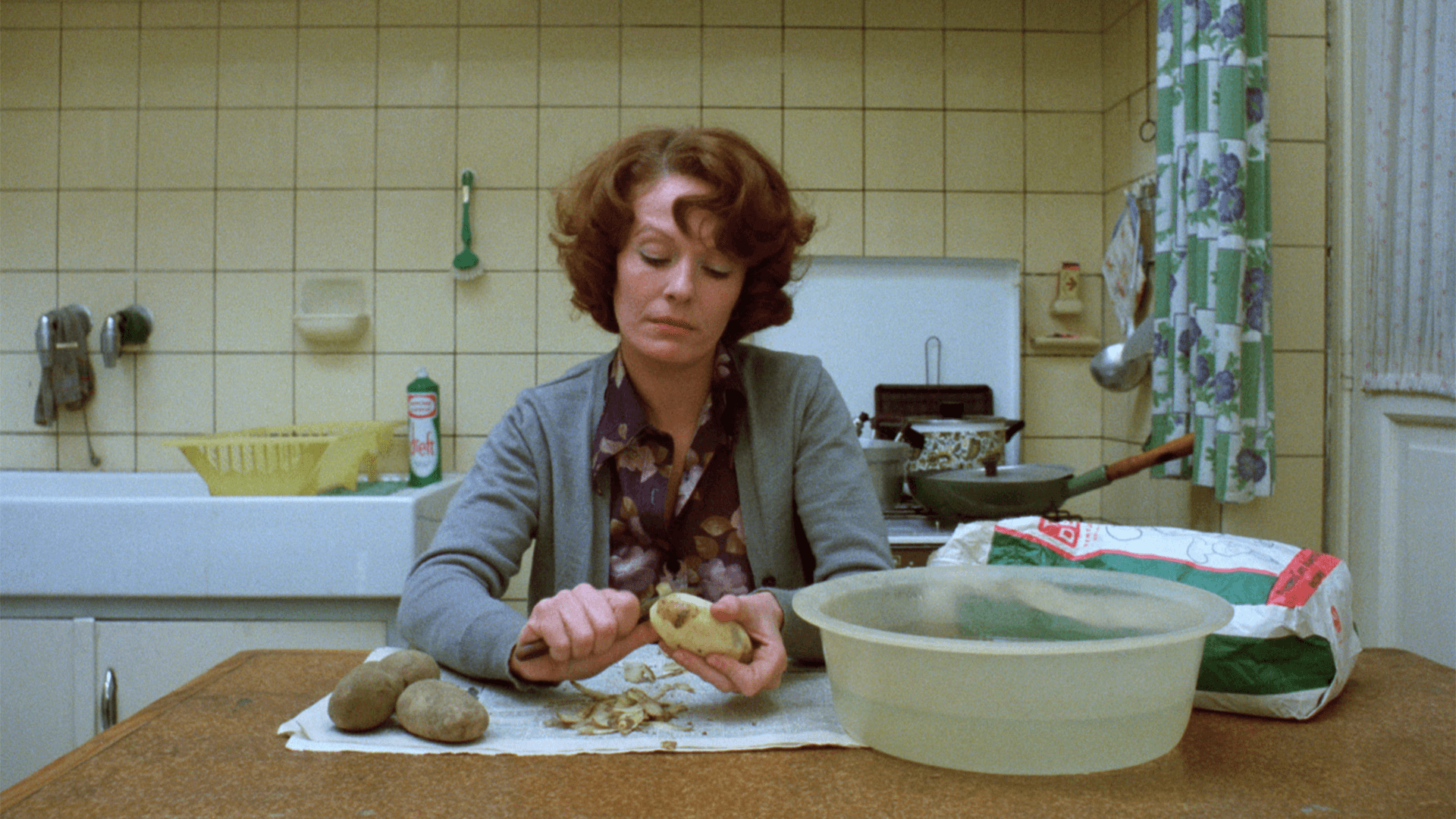
4/26 - JEANNE DIELMAN, 23, QUAI DU COMMERCE, 1080 BRUXELLES
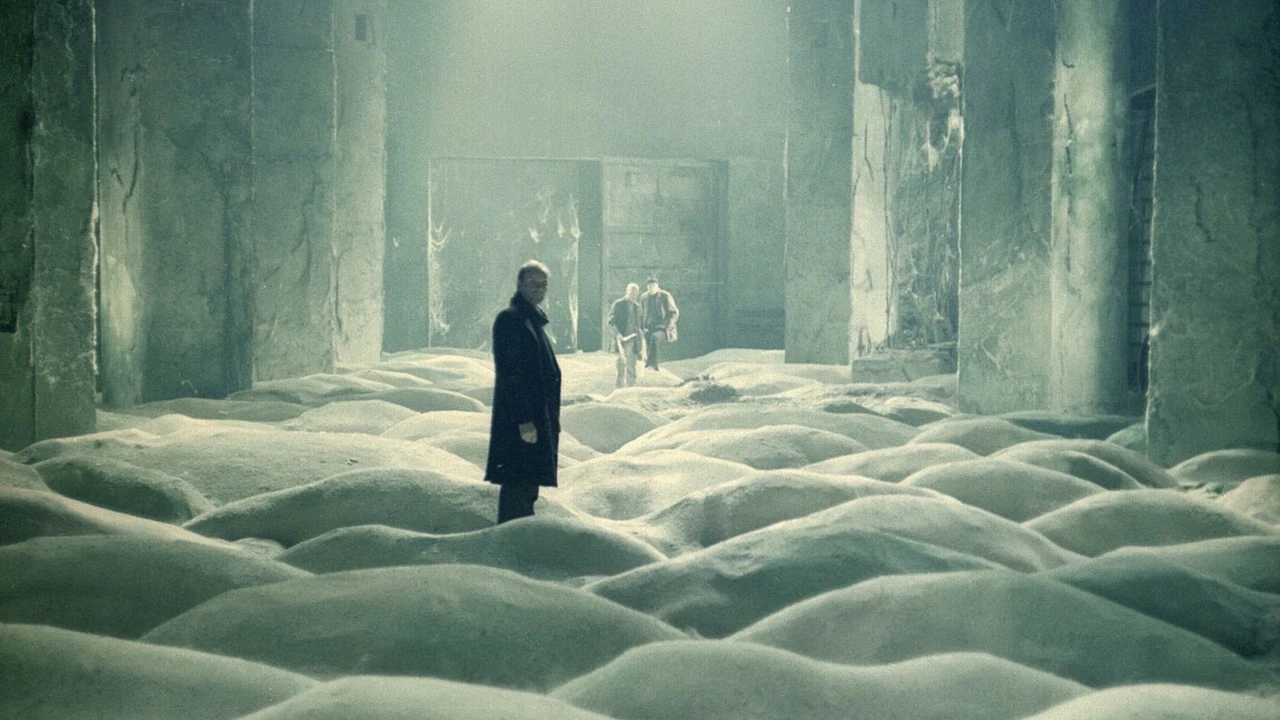
5/31 - STALKER
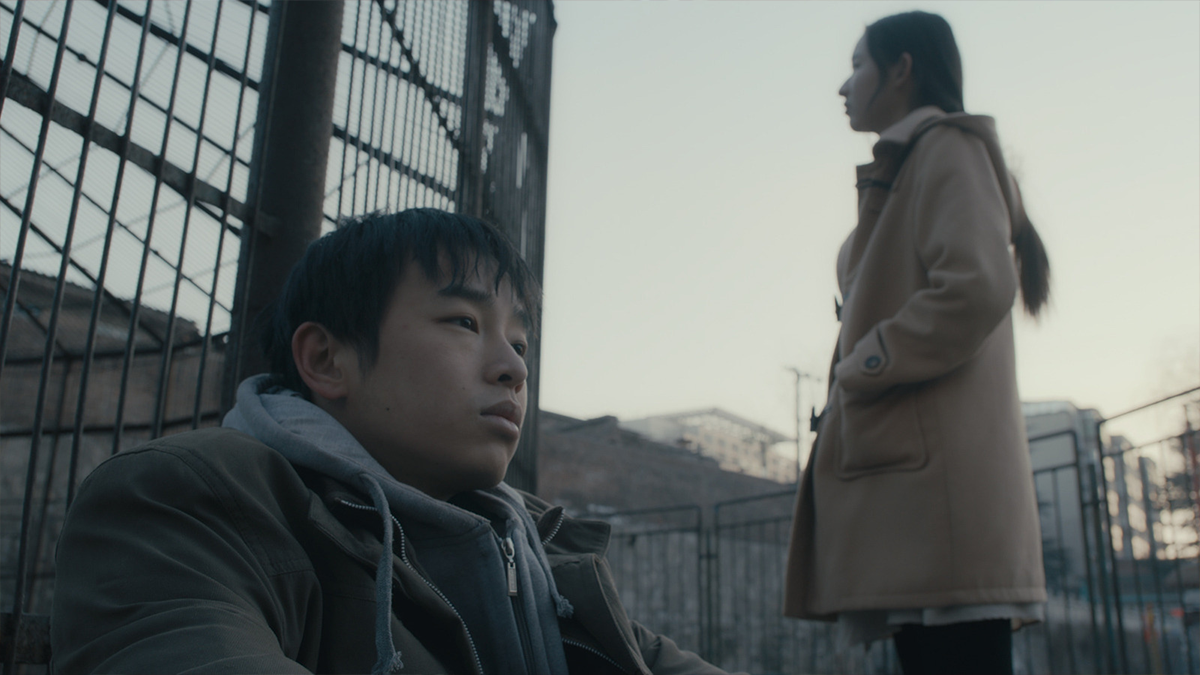
6/28 - AN ELEPHANT SITTING STILL
7/26 - THE HEADLESS WOMAN
8/30 - COLOSSAL YOUTH
9/27 - REBELS OF THE NEON GOD
10/25 - LANDSCAPE IN THE MIST
11/29 - BAXTER, VERA BAXTER
12/27 - 11x14 (16mm)
And more next year.
Films in this Series
Chantal Akerman
202 MINUTES
“While some movies have no greater aim than to make the time fly, JEANNE DIELMAN means to convey the full weight of duration. The audience is required to experience just how long it takes to make the bed, do the dishes, set the table, scrub the tub, brew a pot of coffee, prepare a meatloaf, eat a bowl of soup and so on. Ms. Akerman’s extended takes go so far as to alter the viewer’s physical relationship with the movie. Adapting to the pace of JEANNE DIELMAN can seem like a matter of recalibrating one’s biorhythms.” – Dennis Lim
Andrei Tarkovsky
162 MINUTES
Arguably Tarkovsky’s purest articulation of the film as spiritual quest, STALKER develops a radically different attitude to time than the jigsaw of his previous film, MIRROR. “I wanted time and its passing to be revealed, to have their existence within each frame; for the articulations between shots to be the continuation of the action and nothing more, to involve no dislocation of time, not to function as a mechanism for selecting and dramatically organizing the material—I wanted it to be as if the whole film had been made in a single shot,” Tarkovsky wrote. STALKER is comprised of only 142 shots—each chiseled with the greatest precision. The basic outline of the plot derives from Arkady and Boris Strugatsky’s novel Roadside Picnic: ascetic Stalker leads Writer and Professor, both figures of intellectual disenchantment, from a barren wasteland into the lush post-industrial environs of The Zone, a mysterious and forbidden territory believed to actualize desires. Tarkovsky identified with each of the characters but was especially drawn to Stalker as “the best part of myself, and also the part that is the least real.”
“Within this viscous, slow-moving cadence, time is felt in all its heft, divorced from all capitalist anxieties arising from its passage.” – Amreen Moideen
Hu Bo
234 minutes